
Port Klang Sets a Record 15.1 Million TEUs in 2025, Holds No. 10 Spot Among the World's Busiest Container Ports
Malaysia's Port Klang closed 2025 with the strongest container year in its history, handling a record 15.1 million twenty-foot equivalent units (TEUs) and holding its place among the world's ten busiest container ports. The result, published in the World Top Container Ports (WTCP) 2026 ranking, was reported by The Edge Malaysia on Aug 28, 2026.
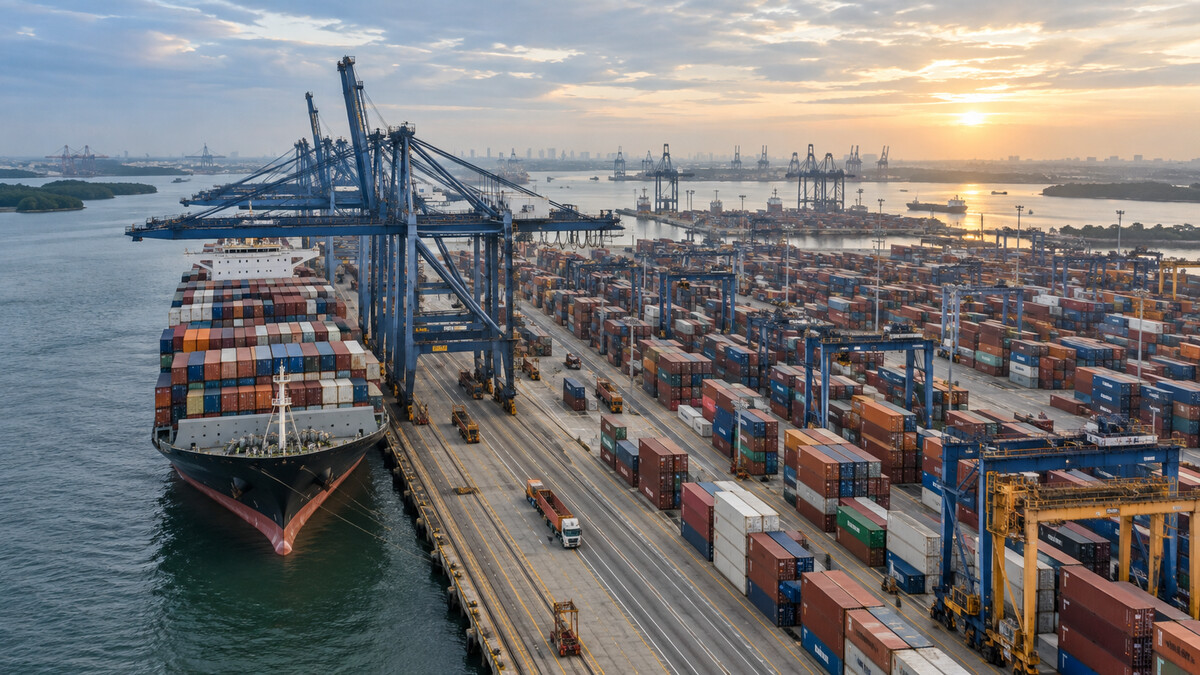
A record 15.1 million TEUs
The port's 2025 throughput rose 3.4% on the previous year, enough to keep it ranked the world's No. 10 container port — a position it has now held since it began operations in 1973. The headline figures:
- 15.1 million TEUs handled in 2025, an all-time record;
- growth of 3.4% year on year;
- world ranking: No. 10, unchanged;
- transhipment accounted for about 55% of total throughput.
Three cargo streams behind the growth
According to a statement by WTCP publisher Container Management, the increase was broad-based rather than driven by a single category. All three major cargo streams contributed:
- Imports were boosted by new electric vehicle (EV) models;
- Exports were supported by glass, automotive parts, gloves and furniture;
- Transhipment cargo made up about 55% of the total.
Shipping-line changes that fed the record
Several carrier decisions across 2025 redirected volume toward the port:
- from February 2025, Gemini Cooperation boosted transhipment at the Westports terminal;
- in April, Evergreen moved two services from Tanjung Pelepas to Port Klang;
- in October, Tailwind Shipping Lines chose Northport as its regional hub for intra-Asia trade.
The capacity question: CT10-to-CT17
The record also sharpened attention on how much room the port has left. Lucas Wild, a research analyst at Container Management, framed the constraint bluntly in the WTCP statement:
"The fact that Westports operated at roughly 82% of capacity makes the CT10-to-CT17 expansion the single most important variable in Port Klang's next decade — the demand is arriving faster than the quay," he said. With Westports already running near 82% utilisation, the planned berth expansion is the lever that decides whether the port can convert current demand into the next leg of growth.

Where Port Klang sits in the world top ten
Globally, the composition of the top ten was unchanged at the head of the table. Shanghai stayed No. 1 in China after a record 55.1 million TEUs (+6.9%), followed by Singapore at 44.7 million TEUs (+8.6%) and Ningbo-Zhoushan at 43.9 million TEUs (+11.6%).
- Shanghai — 55.1 million TEUs (+6.9%);
- Singapore — 44.7 million TEUs (+8.6%);
- Ningbo-Zhoushan — 43.9 million TEUs (+11.6%);
- Port Klang — 15.1 million TEUs (+3.4%), No. 10.
Why it matters for business
For shippers and logistics buyers, the ranking is more than a scoreboard. A transhipment-heavy mix of about 55% means Port Klang functions less as an end-market gateway and more as a redistribution node, where carrier alliances decide which boxes change vessels. The three line-shifts of 2025 show how quickly that traffic can be repriced and rerouted between competing regional hubs. And with Westports near 82% of capacity, the CT10-to-CT17 expansion now carries commercial weight well beyond the quayside: it shapes whether growing EV, parts and manufacturing exports can keep moving through Malaysia's largest port without congestion eroding schedule reliability.
Latest Reports

Ancient Fortresses and Museums of Western Uzbekistan

Qatar LNG expansion: readiness, financing and the production test

Tianwan 7: first electricity and commissioning

Genentech breaks ground on its Hillsboro expansion
RZD changes return fees for tickets purchased from December
Why available capital does not close every defence supply gap
Partner reports
 Ageas agrees Esure acquisition to widen UK insurance distribution
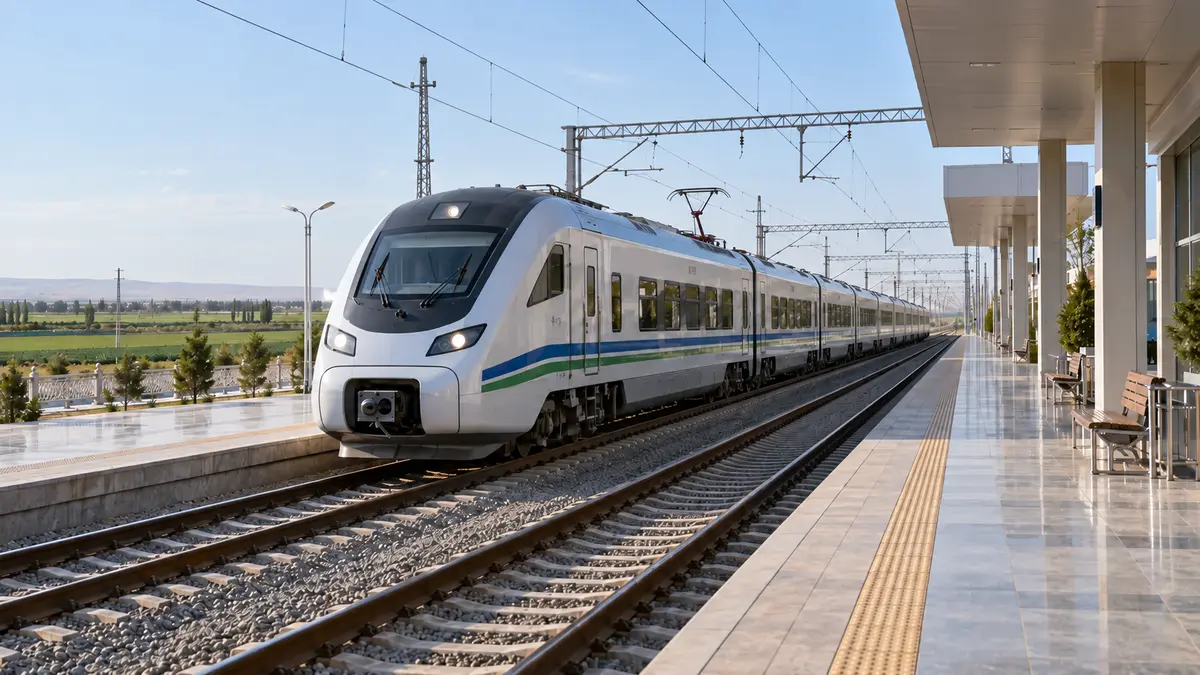 Uzbekistan’s Western Rail Corridor and the Journey to Khiva
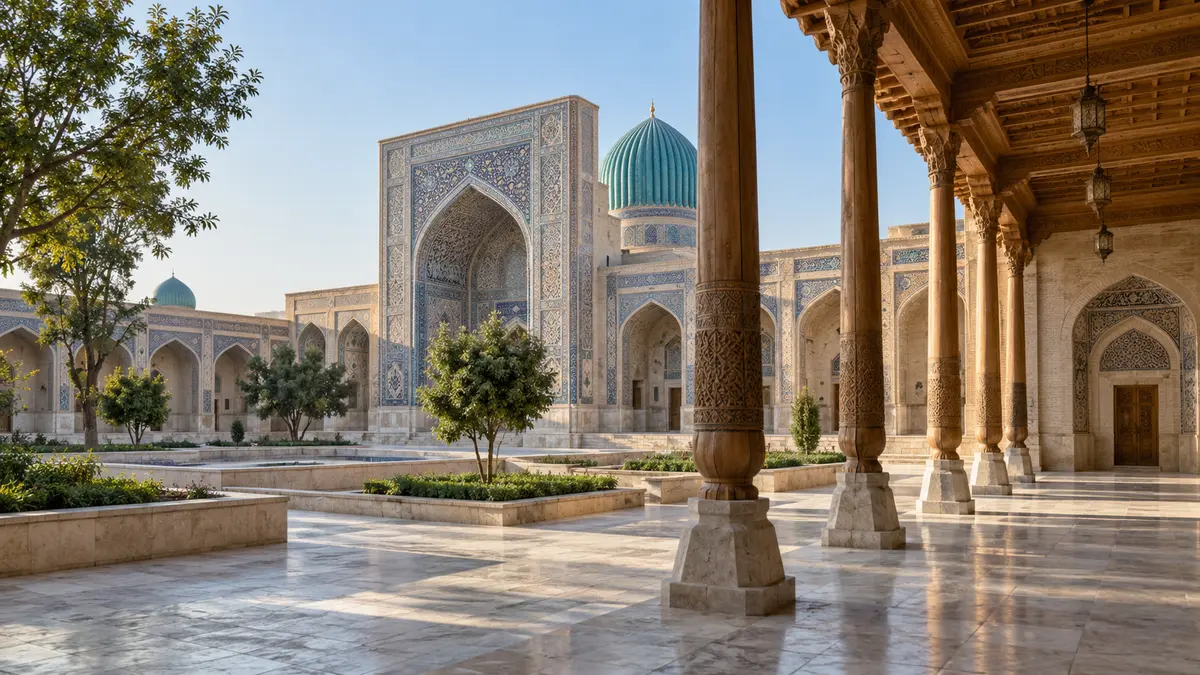 Imam al-Bukhari’s Heritage and Samarkand’s Pilgrimage Landscape
 Nilu and Sangardak: Village Tourism in Surkhandarya
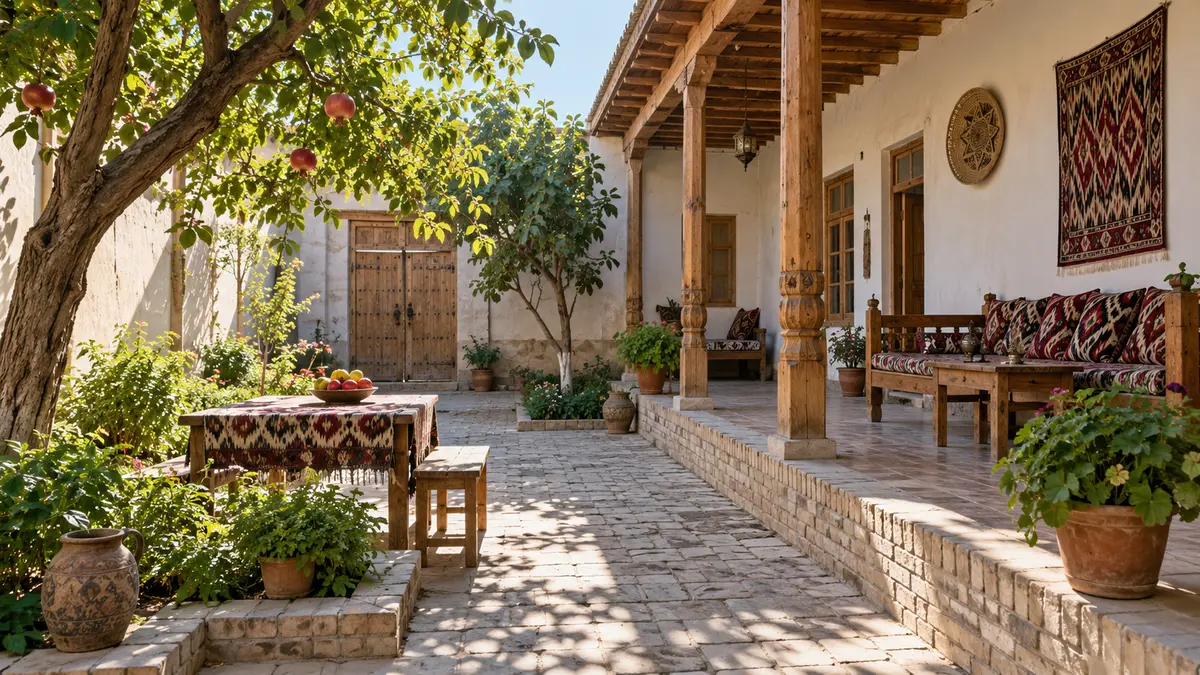 One Day in Kasri Orifon: Bukhara’s Pilgrimage Village
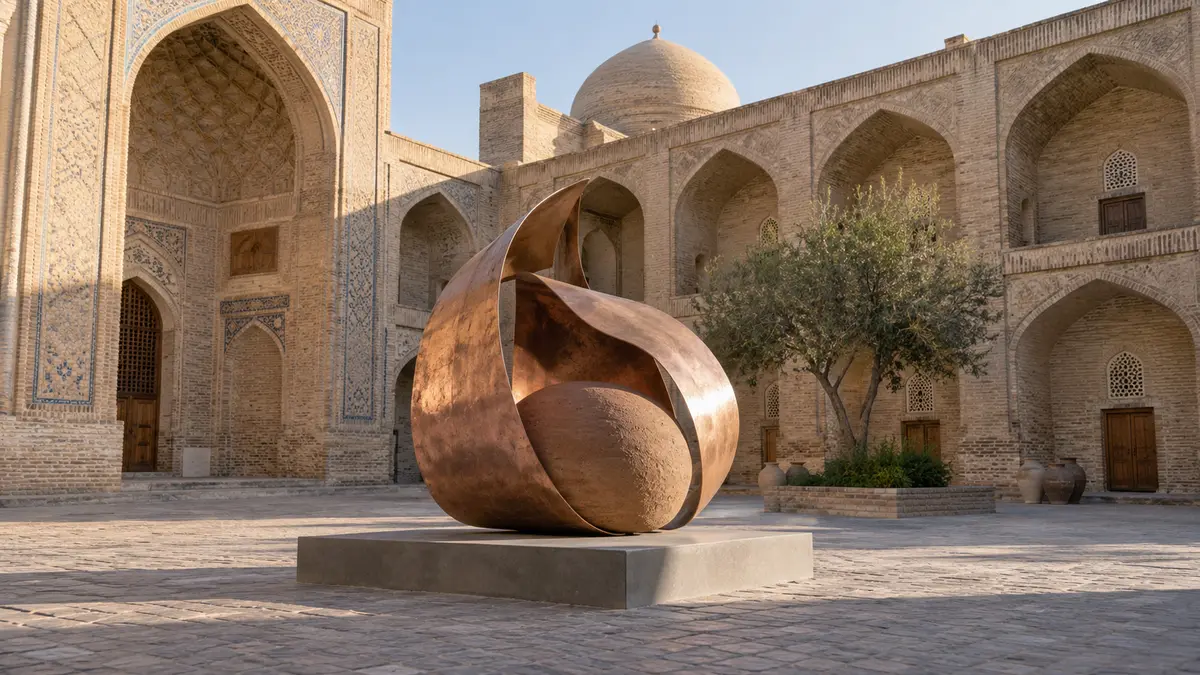 Bukhara’s Biennale: Contemporary Art in Historic Spaces
 Khiva’s Walled City: Architecture, Palaces and Living Traditions
 Parkent’s Chashma Village: Folk Traditions Near Tashkent
 Uzbek Food and Cultural Traditions: From London’s Festival to Regional Tables
 Tashkent’s Museums, Mahallas and New Cultural Spaces
 Uzbekistan's Tourism Expansion: Heritage Cities, Living Crafts and Regional Routes
 Ancient Fortresses and Museums of Western Uzbekistan
 LH Marthinusen opens R32 million Germiston fan factory
 Rishtan’s Craft Neighbourhood and the Fergana Valley
Leave a comment