
Tianwan 7: first electricity and commissioning
Tianwan 7 reaches the grid
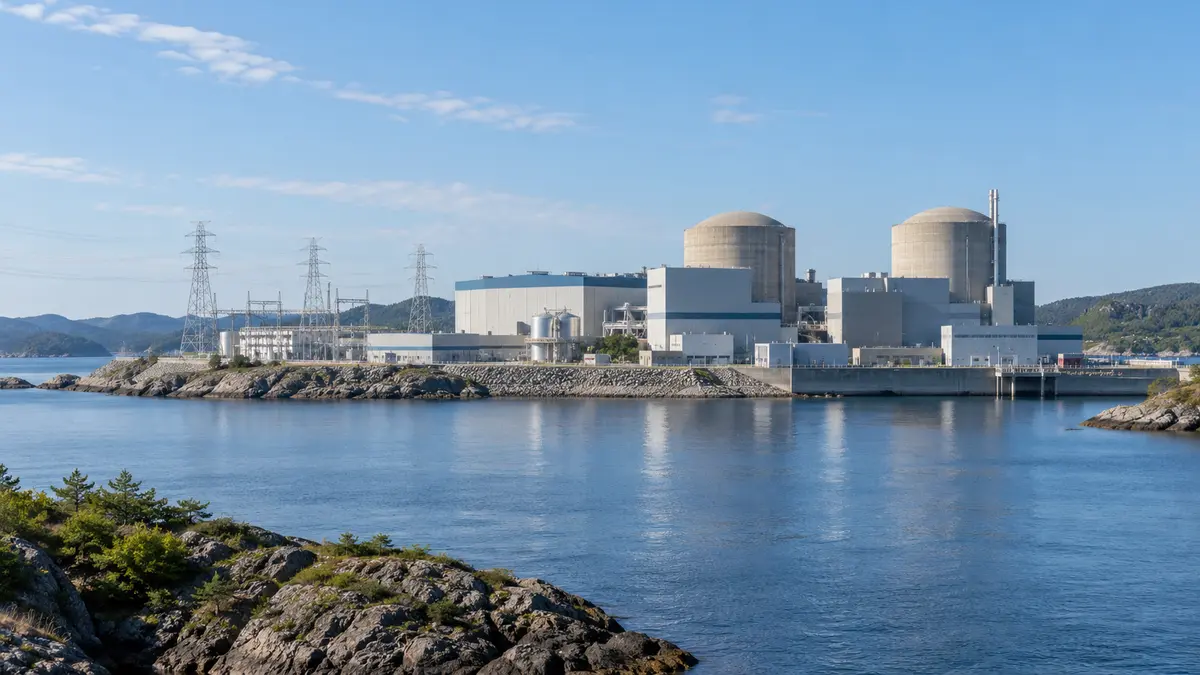
Interfax reported on 8 October 2026 that Tianwan nuclear power plant unit 7 in China had delivered its first electricity to the grid. Rosatom described further increases in reactor power and pilot operation before commercial service and a two-year warranty period. The milestone is first generation, with additional commissioning still ahead. It brings a reactor project designed in Russia into its power start-up stage.
The preceding fuel-loading milestone
An August announcement on the China Atomic Energy Authority website supplies a separate point in the chronology. Fuel loading started on 12 August and finished on 18 August 2026, with 163 assemblies placed in the core. The account described automated movements using coordinates set by staff, followed by checks of the loading arrangement. Reassembly, reactor criticality, turbine rotation and connection to the grid were listed as subsequent work. The dated sequence makes fuel loading an earlier step in preparing the unit, rather than a synonym for electricity production.
A project built through successive agreements
The international framework predates construction. In June 2018, the Chinese authority described a package covering Tianwan units 7 and 8, two units at Xudapu, a demonstration fast-reactor project and isotope heat-source supplies. The Chinese and Russian parties envisaged four VVER-1200 units across the two power-plant sites. Equipment supply and technical services were part of the wider cooperation package. These agreements established the project framework; their scope extended beyond Tianwan alone and included technologies with different purposes from the water-cooled power reactors now moving through commissioning.
Rosatom’s report for 2019 recorded a later contractual step: general contracts for Tianwan units 7 and 8 and Xudabao units 3 and 4. That is a different stage from the framework documents signed the preceding year. The report placed the contracts within the completion of a strategic package with Chinese partners. Reading the two years together preserves the progression from a cooperation framework to project contracts. It also keeps the pair of Tianwan units distinct from the separate Xudabao pair rather than treating four reactors as one construction site.
A May 2023 construction release provides a more physical milestone for unit 7. The circular section of its containment dome was lifted into position in Jiangsu Province using a 2,000-tonne crawler crane. The section itself weighed 375.5 tonnes. The authority described the reactor buildings for units 7 and 8 as having double containment, with dome installation divided between circular sections and tops. At that date, the lift marked a transition from civil construction toward equipment installation. It was a construction event several years before first electricity generation.
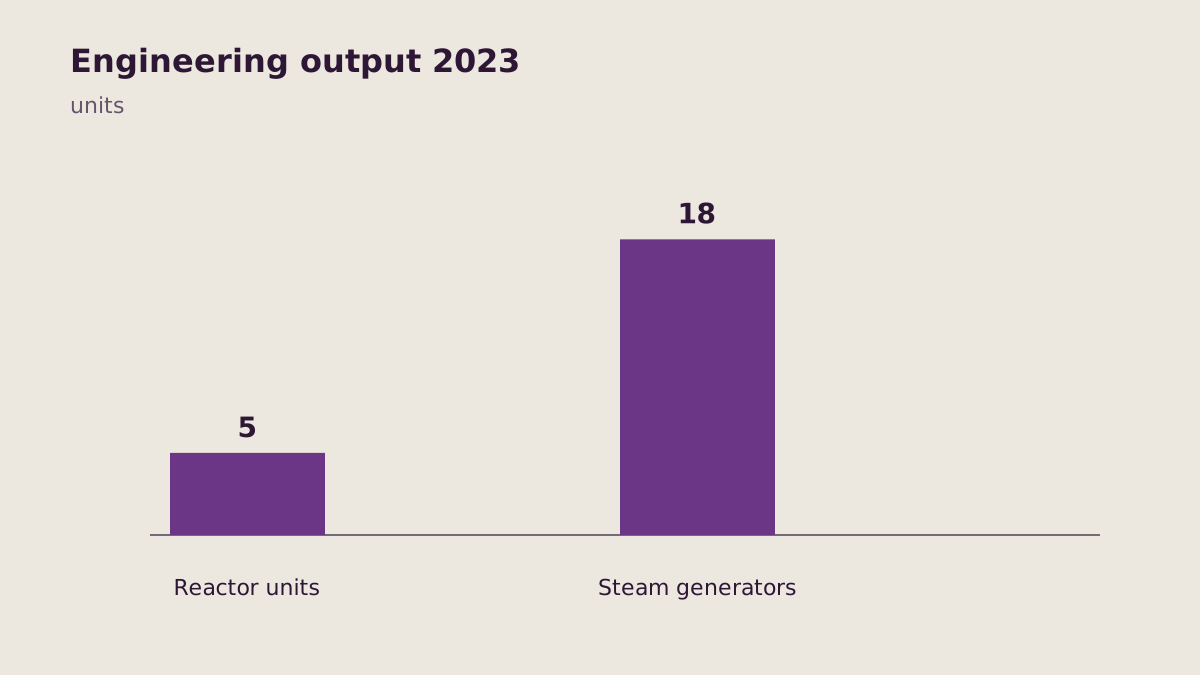
Rosatom’s 2023 reporting described delivery of the reactor vessel and four steam generators for Tianwan unit 7. It also recorded production across its engineering division of five reactor units and 18 steam generators for VVER plants. The site-specific deliveries and the division-wide manufacturing totals measure different things. The first identifies major equipment supplied to one project; the second describes the manufacturer’s annual output across projects.
A separate release on unit 8 described installation of its reactor vessel in the design position. It identified further installation of coolant pumps, steam generators and the main coolant pipe as work still ahead at that stage. Rosatom described the Russian side’s role as designing the nuclear island and supplying its key equipment under the cooperation documents. This account concerns the neighbouring unit’s installation stage. Unit numbers therefore matter: a vessel installed at unit 8 is a different milestone from unit 7 beginning to supply electricity to the grid.
What the operating milestones mean
The IAEA’s Advanced Reactor Information System glossary distinguishes the first connection to an electricity grid from other milestones. Its statistical convention categorises a reactor as operational from first grid connection until permanent shutdown, including periods when it is temporarily offline for refuelling or maintenance. This is a classification used in reactor information, rather than a statement that commercial acceptance has occurred on the same date. The glossary also defines fuel assemblies as structures containing fuel rods. Those definitions explain both the earlier loading count and the later status transition.
From reactor heat to electricity
The US Nuclear Regulatory Commission’s educational explanation distinguishes pressurised-water reactors from boiling-water reactors. In the pressurised-water arrangement, a steam generator transfers heat so that steam for the turbine is produced separately from the water passing through the reactor. The reactor supplies heat, while the turbine and generator perform the next steps in producing electricity. That general explanation helps separate reactor operation from delivery through the electrical system. It describes the reactor category; a plant-specific account is still needed for its equipment configuration and the progress of individual commissioning tests.
Commissioning tests establish a baseline
The IAEA commissioning guide explains the purpose of testing an assembled nuclear plant: demonstrating that it meets its design and safety requirements, collecting baseline equipment data and validating procedures. It divides work into non-nuclear testing and nuclear testing, with fuel loading, initial criticality, low-power tests and power increases among the latter stages. Before a subsequent stage begins, preceding results are reviewed. This framework explains why the first supply of electricity is one milestone in a sequence. The international guide provides general recommendations, rather than a finding about Tianwan’s individual test results.
The separate IAEA Commissioning Guidelines describe stage programmes and control points, often called hold points. Examples include pressure testing, containment testing, hot functional tests, initial criticality and grid connection. Results are reviewed before the programme proceeds beyond such a point. Programme documents specify initial conditions, tests and procedures for the relevant stage, and may require regulatory review depending on the jurisdiction. This adds an organizational dimension to the technical sequence: the work is divided into documented stages, with decisions about readiness, rather than simply advancing through an uninterrupted construction calendar.
An IAEA Safety Reports Series account of regulatory oversight describes the checks associated with nuclear commissioning. After fuel loading, subcritical tests can examine coolant flow, mechanical behaviour, core instrumentation and reactor-control systems. The approach to first criticality follows satisfactory completion of preceding tests, with monitoring and automatic shutdown systems confirmed ready. Low-power tests then examine whether reactor behaviour conforms to the design. These are explanations of oversight and test objectives. They describe what different stages are intended to establish, not a public inventory of every inspection performed at Tianwan unit 7.
Power increases remain inside operating conditions
The IAEA guide on operational limits and conditions connects normal operating parameters with the assumptions in the safety analysis. Its discussion includes minimum operable equipment, staffing, actions following deviations and the time allowed for recovery. Operating procedures cover startup, power operation, shutdown, testing and refuelling. The framework also distinguishes normal operating values from protective-system settings and safety limits. These are related boundaries rather than interchangeable numbers. In that context, a reported power-startup percentage identifies an operating stage; it does not replace the wider conditions governing the systems and personnel supporting that stage.
Testing continues after the initial start
The IAEA maintenance guide treats maintenance, testing, surveillance and inspection as continuing activities for structures, systems and components important to safety. Its recommendations address procedures, approval, cooperation with equipment suppliers and records of completed work. Records are inputs to reviews of maintenance effectiveness and to equipment-reliability studies over the plant’s lifetime. This ongoing programme differs from announcing the first connection to the grid. Commissioning establishes initial evidence and operating references; subsequent maintenance and surveillance generate further information about how components perform and whether corrective work is needed during service.
Personnel preparation accompanies equipment tests
The IAEA personnel guide distinguishes general plant experience, familiarity with a particular plant and broader knowledge of interfacing activities. It identifies commissioning as an opportunity for practical training of operators and supporting staff, alongside planned simulator sessions. The guide describes different educational and experience expectations for management, technical specialists, control-room operators and field personnel. Those distinctions make preparation specific to a role and a facility. They provide background on the human resources involved in a plant’s startup, without supplying Tianwan’s staffing numbers or a claim about the qualifications of individual employees.
The IAEA guide on conduct of operations addresses the organization of a plant’s operations department and the standards used in safety-related decisions. Its scope includes professional control-room activities and keeping the plant within established operating limits and conditions. That operational perspective complements the test programme: the reactor becomes an installation run by an organized operating team, with defined responsibilities. The guide concerns operating practices across nuclear plants. It offers a framework for understanding the transition into routine operation, while the project’s own commissioning announcements supply the dates and milestones for this particular unit.
Several safety functions must work together
The IAEA design requirements identify fundamental functions including controlling reactivity, removing heat and confining radioactive material. They also address the ability to shut down the reactor and maintain that condition across relevant operating and accident situations. These functions connect different parts of the plant rather than residing solely in the turbine or generator. First electricity therefore reports progress in power production, while the design framework covers a wider set of systems and conditions. International requirements explain the technical background; national licensing and plant-specific evidence establish their application to an individual installation.
The grid is both destination and interface
The IAEA electrical-power guide discusses off-site supplies, on-site power, standby alternating-current sources, direct-current systems and batteries. It also identifies grid stability, protective equipment and the relationship between the transmission operator and the nuclear plant’s operating organization as design topics. The electrical system is therefore described in terms of both supplying plant loads and interfacing with the external network. A generator’s first export is a particular event within that wider arrangement. The guide’s categories give context without specifying Tianwan’s actual battery capacities, backup-generator ratings or electrical test results.
Instrumentation turns behaviour into evidence
The IAEA instrumentation and control guide considers reliability through redundancy, independence, diversity and the ability to analyse and test functions. It distinguishes physical separation, electrical isolation and functional independence when discussing systems that need to remain independent. Its scope includes equipment qualification, testing and human–machine interfaces. These design topics concern how information and protective actions remain available under specified conditions. They help explain the importance of instrumentation during changing power levels. The guide supplies general principles, not a description of the vendor, software version or detailed architecture installed at Tianwan unit 7.
The IAEA containment guide describes integrated leakage tests and local tests for isolation devices, airlocks and penetrations. Commissioning measurements establish references for later in-service testing. The guide also explains that test pressure and conditions should reflect the design and the intended subsequent tests. This makes containment verification a measured process rather than a conclusion drawn from the appearance of the reactor building. The earlier Tianwan dome lift documents installation of a major structural section; general containment-testing guidance explains another category of evidence needed to characterize the performance of such structures.
Supporting systems belong to the same plant
The IAEA auxiliary-systems guide states that supporting equipment should perform consistently with the safety significance of the systems it serves. It discusses matters such as cooling and the monitoring of liquids for radioactivity, as well as handling equipment for heavy loads. In a multi-unit plant, its guidance also addresses the independence of systems supporting safety functions. These topics show why a commissioning programme covers more than the reactor vessel and turbine. They describe general supporting-system design considerations, without implying that identical equipment or arrangements must be shared by all eight Tianwan units.
An IAEA publication on computer security for instrumentation and control addresses malicious actions against sensitive information and digital systems. Its definition of cyber attacks includes theft, alteration, denial of access and destruction through unauthorized activity. It also discusses how inadequate protection of information can compromise a facility’s physical or computer security. This is a separate concern from whether a power-production test reaches its target. The publication supplies security context for digital systems used at nuclear facilities; it does not report a cyber incident at Tianwan or assess the security of its installation.
Water chemistry is an operational variable
The IAEA chemistry guide specifically includes pressurised-water reactors and water-cooled, water-moderated designs. Its discussion links control of corrosive impurities with protection of primary-system components, and control of low-solubility compounds with limiting deposits on fuel cladding. It also addresses startup and shutdown procedures and removal of corrosion products through purification. These are operating conditions associated with the water circuit, alongside pressure, temperature and flow. The guidance helps explain another technical field involved in plant operation, while providing no public measurement of Tianwan’s coolant composition or a plant-specific chemistry assessment.
Worker monitoring produces another set of records
The IAEA occupational-radiation guide discusses records for workers whose exposure requires assessment. Its recommendations include procedures specifying how monitoring results are reported, which exposure records are maintained and how confidentiality is protected. Workers should have access to their own records, and arrangements address changes of employer and retention of former workers’ information. This is a distinct reporting system from reactor-power data or electricity exports. It concerns the documentation of occupational exposure over time and provides general background on worker protection, rather than actual dose results for the Tianwan commissioning team.
Environmental data have locations and dates
The IAEA public-and-environment monitoring guide describes information needed alongside measurements: sampling locations, measurement times, discharge points, analytical procedures, calibration data and uncertainties. It calls for reviews that check whether significant discharge routes and exposure pathways have been overlooked. Unexpected results can prompt investigation and changes to the programme. Those requirements concern the quality and interpretation of monitoring data. They explain why a headline about first electricity cannot also serve as an environmental assessment: the latter relies on a separate set of measured observations, documented methods and evaluations.
The IAEA guide on radioactive discharges describes authorization as written permission from the relevant public authority for specified activities. Its discussion applies a graded approach according to expected effects on people and the environment, and considers review when changes to a facility or its operating conditions affect discharges. This is general guidance on regulatory control, rather than a statement of Tianwan’s licence conditions. It adds another distinction to the startup sequence: the physical progress of an installation and the scope of its authorizations are related matters documented through different sources and procedures.
Handover includes information as well as hardware
The IAEA Nuclear Contracting Toolkit describes preparation for commissioning and operation as beginning well before construction nears completion. Its contracting perspective emphasises transferring documents, electronic data and records to the eventual operating organization. The equipment handover therefore has an information component: the organization receiving the facility needs the documentation associated with its operation. This general account helps connect the earlier construction and supply milestones with the later operating stage. It does not disclose Tianwan’s commercial contract conditions, but explains a documented category of work in the transition from construction toward operation.
Separate milestones in the record
- Fuel loading precedes criticality and generation.
- First grid connection identifies an electricity-supply milestone.
- Commercial operation follows further commissioning.
Latest Reports
Tianwan 7: first electricity and commissioning

RZD changes return fees for tickets purchased from December

Genentech breaks ground on its Hillsboro expansion

Why available capital does not close every defence supply gap

Tourists' QR Payments Bring Indonesia $345.7 Million as the Cross-Border QRIS Network Expands

Leave a comment