
Switzerland Returns to Zero: SNB Cuts Its Key Rate to 0% as Deflation Concerns Grow
The Swiss National Bank (SNB) cut its key interest rate by a further 25 basis points to 0% on Thursday, June 19, 2025, returning Switzerland to the era of zero interest rates for the first time since 2021 and stoking market speculation that negative rates could follow, CNBC reported.
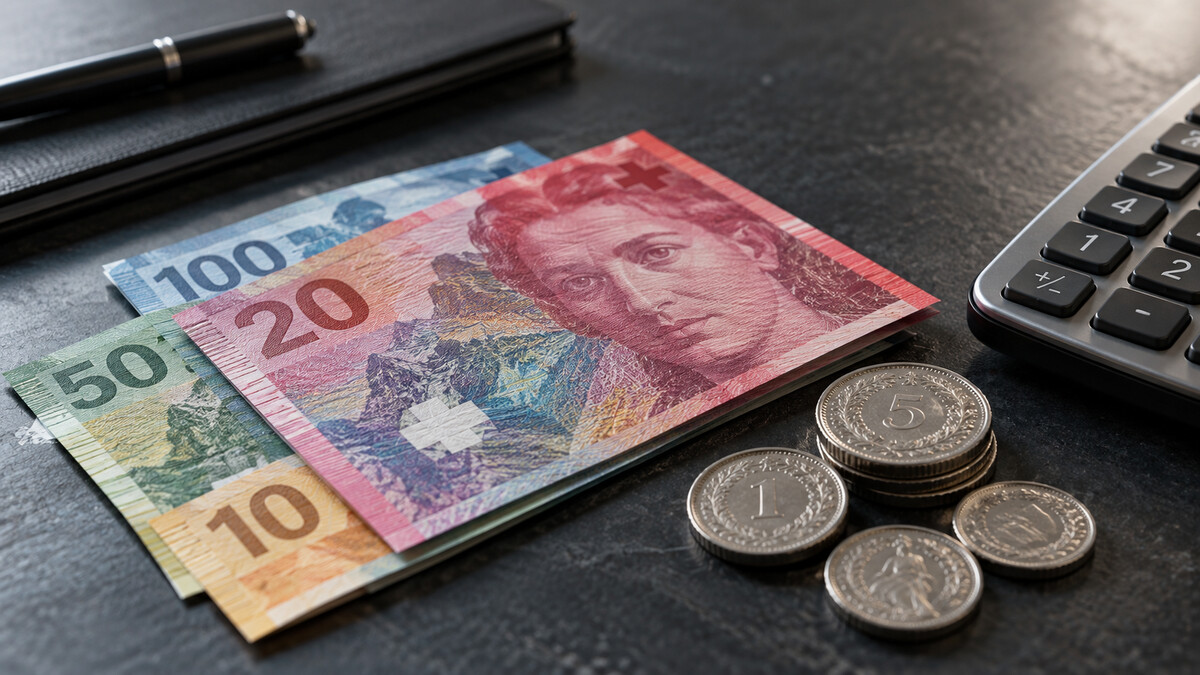
What the central bank decided
The reduction was widely expected: ahead of the decision, traders had priced in roughly an 81% chance of a quarter-point cut and about a 19% chance of a bigger, 50-basis-point move. The key points of the decision:
- the policy rate was lowered by 25 basis points, to 0%;
- “Inflationary pressure has decreased compared to the previous quarter. With today’s easing of monetary policy, the SNB is countering the lower inflationary pressure,” the central bank said in a statement;
- the SNB pledged to keep monitoring the situation closely and to adjust monetary policy if necessary so that inflation remains within the range consistent with price stability over the medium term;
- the inflation forecast was lowered: the bank now expects prices to rise by an average of just 0.2% in 2025 and 0.5% in 2026;
- the country’s overall economic outlook remains uncertain, with “developments abroad” cited as the main risk;
- the next rate decision is scheduled for September 2025.
Deflation instead of inflation
While many other economies continue to battle high prices, Switzerland faces the opposite problem. Consumer prices fell 0.1% year on year in May 2025 — a negative print that has revived deflation concerns in the small, open, export-oriented economy.
SNB Chairman Martin Schlegel told CNBC’s Carolin Roth that the bank is not reacting mechanically to such figures: “Current negative inflation for us is not a reason to lower interest rates. For us the important thing is the medium term,” he said, adding that one, or even several, negative prints in the short term “are not really relevant” for policy.
Why the franc keeps pulling prices down
Low inflation is not unusual for Switzerland, which saw several periods of deflation in the 2010s and 2020s. A major contributor is the strength of the country’s currency, the Swiss franc:
“As a safe-haven currency, the Swiss franc tends to appreciate when there is stress on world markets,” Charlotte de Montpellier, a senior economist at ING, told CNBC. “This systematically pushes down the price of imported products. Switzerland is a small, open economy, and imports account for a large proportion of CPI inflation.”

Amid high levels of global economic uncertainty, the franc has strengthened continuously in recent months and is widely expected to keep appreciating — an ongoing challenge for the SNB. According to de Montpellier, since the franc’s strength is the primary driver of low inflation, the central bank is trying to contain the currency’s rally by keeping rates “systematically lower than elsewhere.” After the June decision the franc firmed further, while the United States dollar was last trading flat against the Swiss currency.
Will negative rates return?
Economists see clear room for further easing:
- Adrian Prettejohn, Europe economist at Capital Economics, expects the SNB to cut rates to -0.25% later in 2025;
- if inflationary pressures do not start to increase, the policy rate could go as low as -0.75% — the floor it reached in the 2010s, Prettejohn noted;
- Schlegel said the SNB cannot forecast the path of rates, but stressed that “going negative we would not take this decision lightly,” because negative rates come with challenges and side effects: “The hurdle to go negative is certainly higher than just like a lower interest rate in the positive territory.”
What it means for savers and banks
Rate cuts weigh on currencies, make borrowing cheaper and encourage investment. Negative rates, however, carry their own risks:
- savers could see any profit on their savings wiped out;
- banks would rake in lower returns on their loans;
- de Montpellier warned that negative rates might eventually “distort financial markets, compress bank margins, and raise concerns about long-term financial stability.”
For now, the zero-rate regime gives investors, exporters and the country’s banks a new benchmark — and a reminder that in this deflation-prone corner of Europe the price of money can fall all the way to zero, and possibly below.
Latest Reports

Ancient Fortresses and Museums of Western Uzbekistan

Qatar LNG expansion: readiness, financing and the production test
Tianwan 7: first electricity and commissioning

Genentech breaks ground on its Hillsboro expansion
RZD changes return fees for tickets purchased from December
Why available capital does not close every defence supply gap
Partner reports
 Ageas agrees Esure acquisition to widen UK insurance distribution
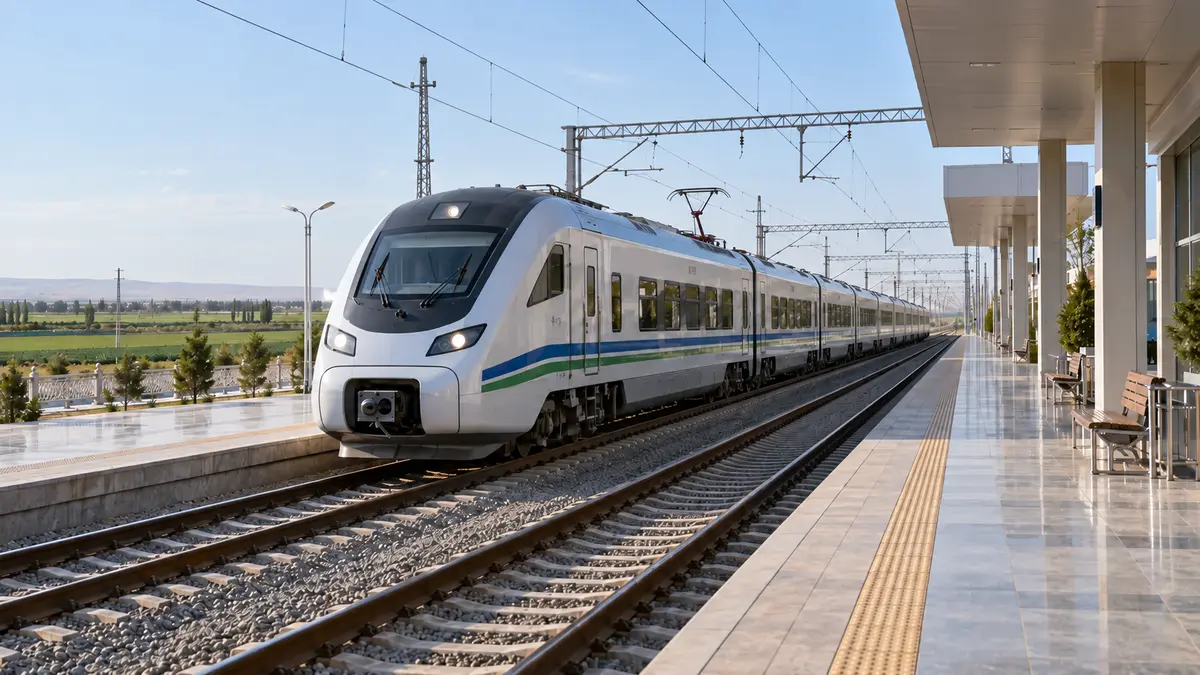 Uzbekistan’s Western Rail Corridor and the Journey to Khiva
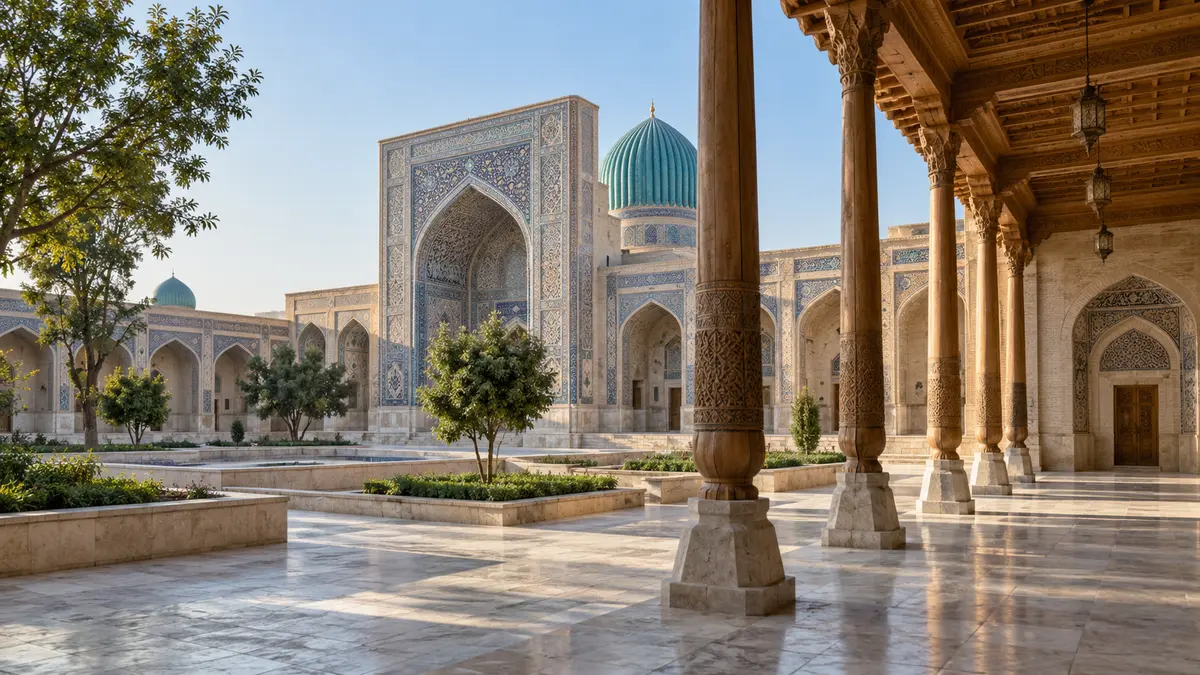 Imam al-Bukhari’s Heritage and Samarkand’s Pilgrimage Landscape
 Nilu and Sangardak: Village Tourism in Surkhandarya
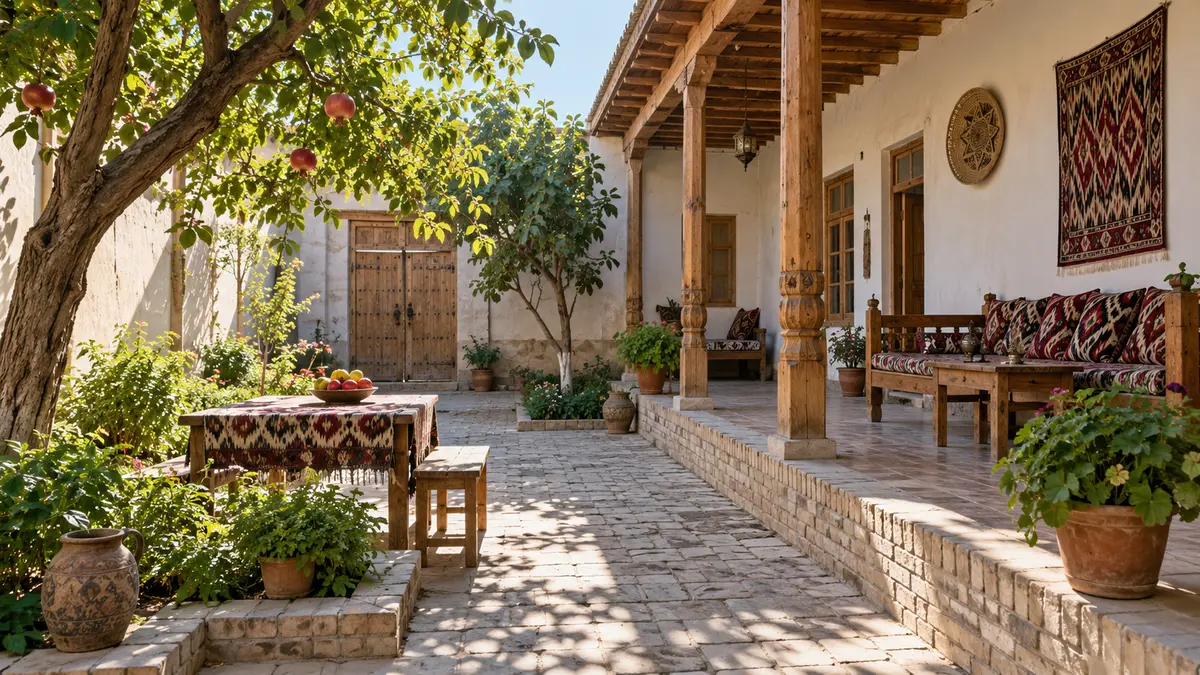 One Day in Kasri Orifon: Bukhara’s Pilgrimage Village
 Bukhara’s Biennale: Contemporary Art in Historic Spaces
 Khiva’s Walled City: Architecture, Palaces and Living Traditions
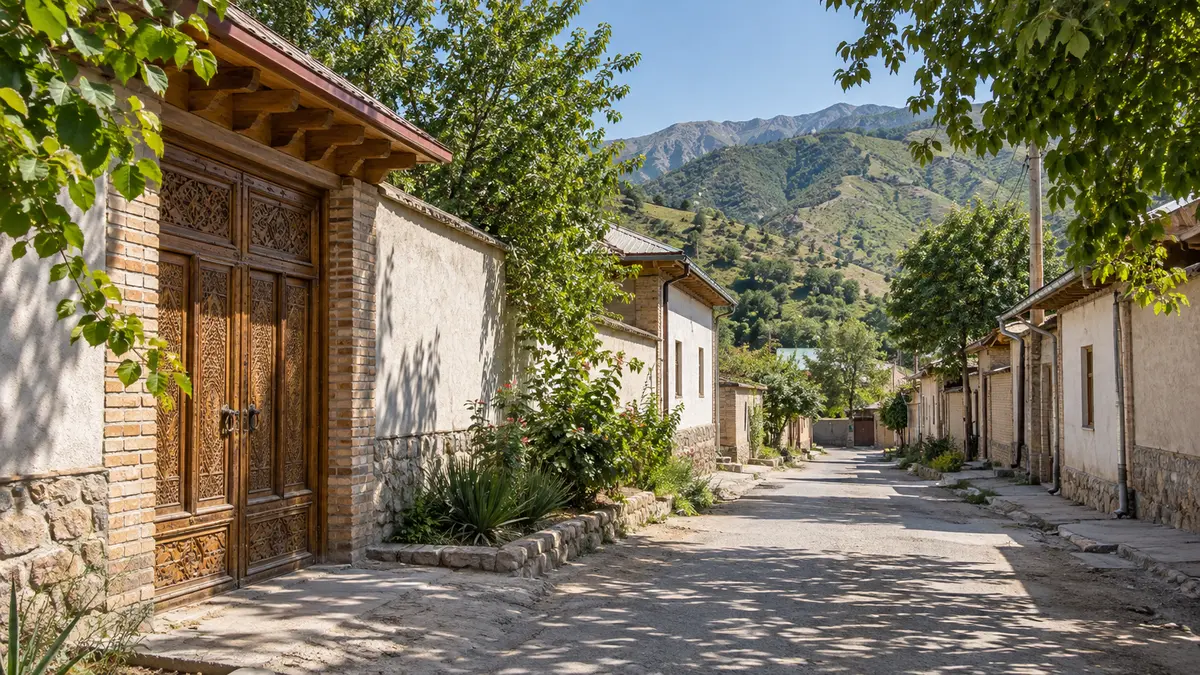 Parkent’s Chashma Village: Folk Traditions Near Tashkent
 Uzbek Food and Cultural Traditions: From London’s Festival to Regional Tables
 Tashkent’s Museums, Mahallas and New Cultural Spaces
 Uzbekistan's Tourism Expansion: Heritage Cities, Living Crafts and Regional Routes
 Ancient Fortresses and Museums of Western Uzbekistan
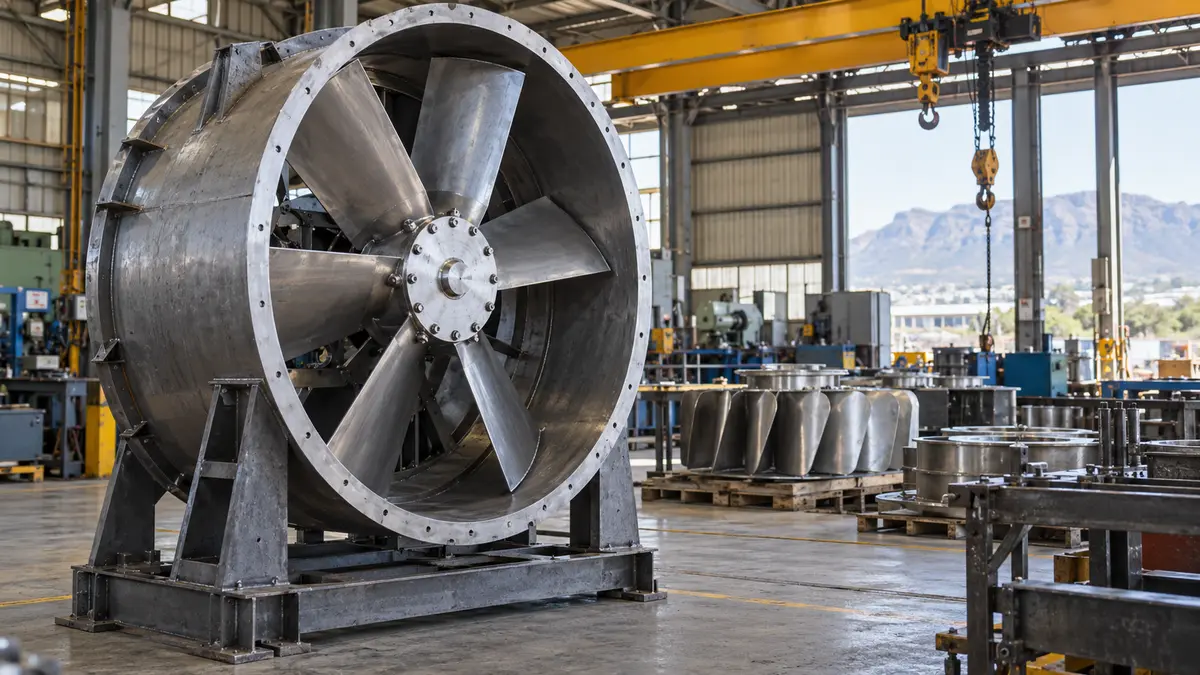 LH Marthinusen opens R32 million Germiston fan factory
 Rishtan’s Craft Neighbourhood and the Fergana Valley
Leave a comment