
Tourists' QR Payments Bring Indonesia $345.7 Million as the Cross-Border QRIS Network Expands
QR-code payments by tourists have become a measurable revenue line for Indonesia: Bank Indonesia recorded 17.8 million inbound cross-border digital transactions totalling Rp6.2 trillion ($345.7 million) through August 2026, deputy governor of the central bank Filianingsih Hendarta said at the FEKDI x IFSE 2026 digital finance forum in Jakarta on Saturday, September 26, 2026, as reported by ANTARA News. The flow runs through the cross-border extension of QRIS, the national QR payment standard, which now links six partner countries.
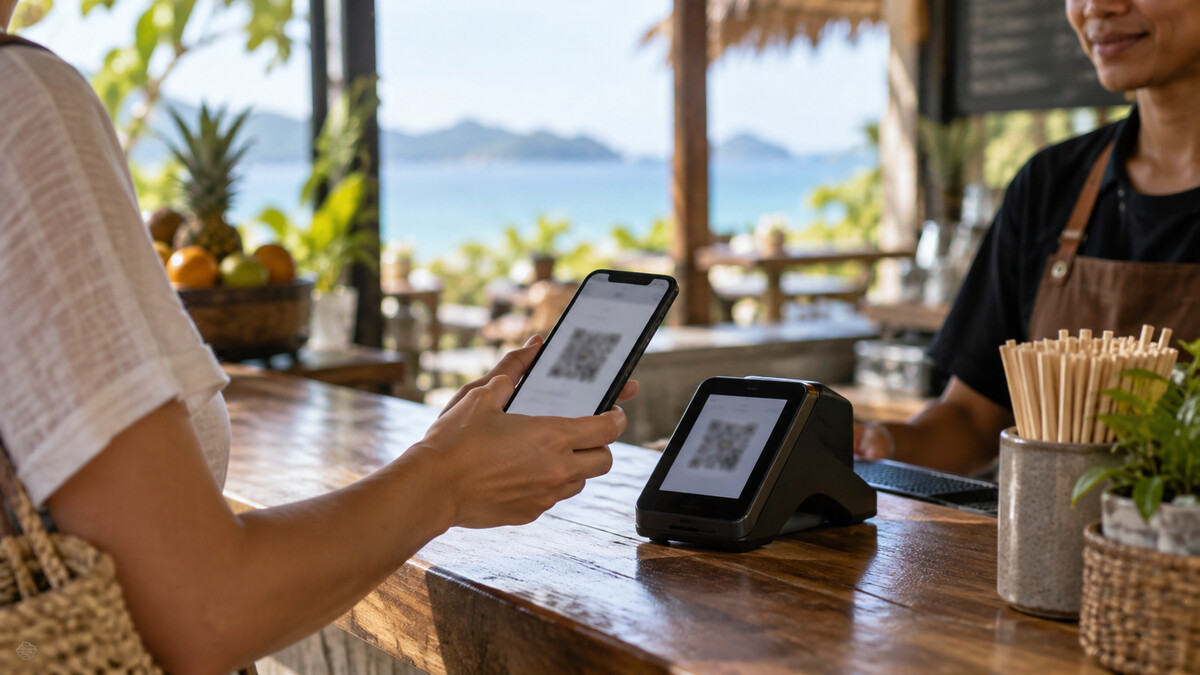
Inbound spending runs at more than triple the outflow
The same tally shows a clear imbalance in Indonesia's favour. Outbound cross-border transactions - what Indonesian travellers pay abroad - totalled 5 million, valued at Rp1.85 trillion ($103.1 million). That puts inbound volume at more than three times the outbound value.
"We are seeing a net inbound trend, meaning we receive a substantial amount of payments from tourists visiting Indonesia - much more than what Indonesians spend when visiting those partner countries," Hendarta said.
How the cross-border QR network works
The framework was launched in 2022. It lets foreign visitors pay local merchants directly by scanning a unified QR code with the mobile banking application of their home country - no local account, cash exchange or separate e-wallet required. The network currently covers visitors from:
The footprint is still growing: the central bank recently signed agreements to establish payment links with Hong Kong and Timor-Leste.

The per-tourist spending problem
Payment convenience is being deployed against a specific weakness in the tourism economy. Senior Deputy Governor of Bank Indonesia Aida S. Budiman, speaking at the same forum, said foreign tourist arrivals have rebounded steadily over the past three years, but individual spending has lagged.
"If we look closely, tourist spending has declined. It was once nearly $1,400 per person, but now it has fallen below $1,300," Budiman stated. Ease of transacting, she argued, enables spontaneous purchases at various locations, including local businesses: "Making it easier for foreign tourists to seamlessly make purchases will, in turn, boost their overall spending," she explained.
Only 40 percent of arrivals are covered
Budiman noted that tourists from the six connected nations account for only about 40 percent of international arrivals in Indonesia, leaving significant room for expansion. "We still need to tap into the remaining 60 percent of foreign tourists to boost both arrivals and their overall spending," she concluded.
Domestic scale behind the cross-border links
The inbound service piggybacks on a large domestic network. QRIS currently reaches 69.3 million users and nearly 46 million registered merchants in Indonesia; approximately 69 percent of those merchants are micro, small and medium enterprises - the segment that captures tourist spending on food, transport, souvenirs and local services.
Why it matters
Bank Indonesia frames the payment network as infrastructure for the wider regional economy rather than a travel gadget. Hendarta emphasised that the integrated network serves as a catalyst for regional trade, tourism and financial inclusion for MSMEs. "Ultimately, our goal is not merely to establish connections, but to create added value from those connections," she said. "We must view payment connectivity as an integral part of broader economic connectivity."
Latest Reports

Ancient Fortresses and Museums of Western Uzbekistan

Qatar LNG expansion: readiness, financing and the production test

Tianwan 7: first electricity and commissioning

Genentech breaks ground on its Hillsboro expansion

RZD changes return fees for tickets purchased from December

Why available capital does not close every defence supply gap
Partner reports
 Ageas agrees Esure acquisition to widen UK insurance distribution
 Uzbekistan’s Western Rail Corridor and the Journey to Khiva
 Imam al-Bukhari’s Heritage and Samarkand’s Pilgrimage Landscape
 Nilu and Sangardak: Village Tourism in Surkhandarya
 One Day in Kasri Orifon: Bukhara’s Pilgrimage Village
 Bukhara’s Biennale: Contemporary Art in Historic Spaces
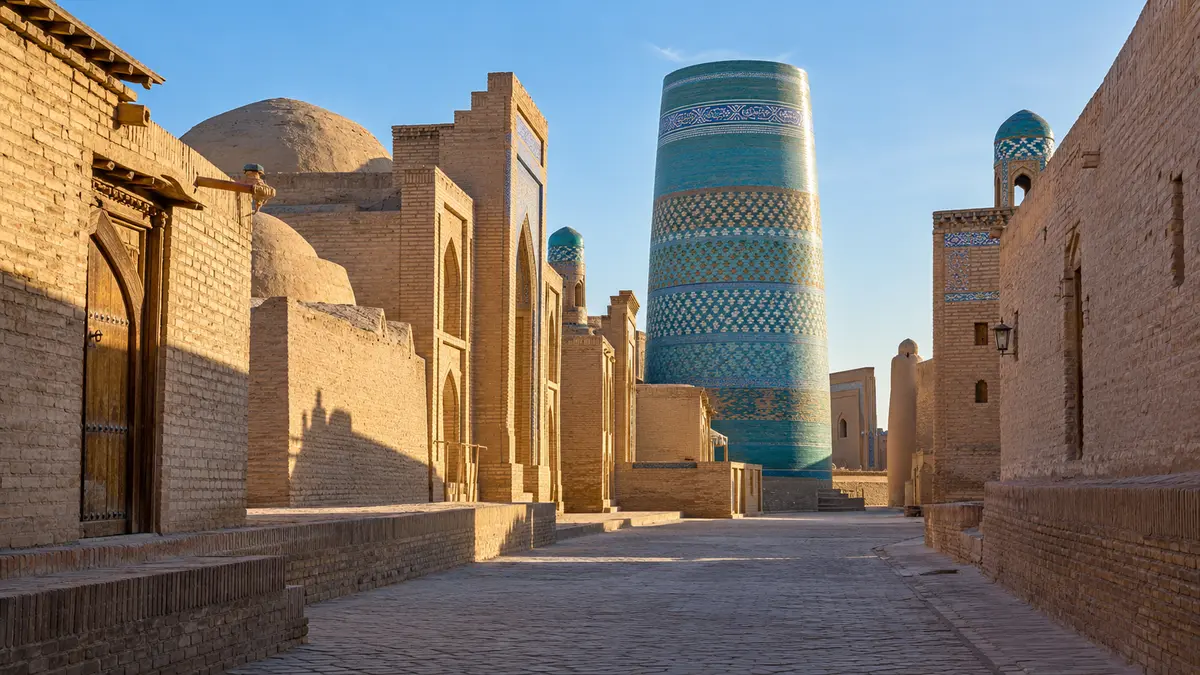 Khiva’s Walled City: Architecture, Palaces and Living Traditions
 Parkent’s Chashma Village: Folk Traditions Near Tashkent
 Uzbek Food and Cultural Traditions: From London’s Festival to Regional Tables
 Tashkent’s Museums, Mahallas and New Cultural Spaces
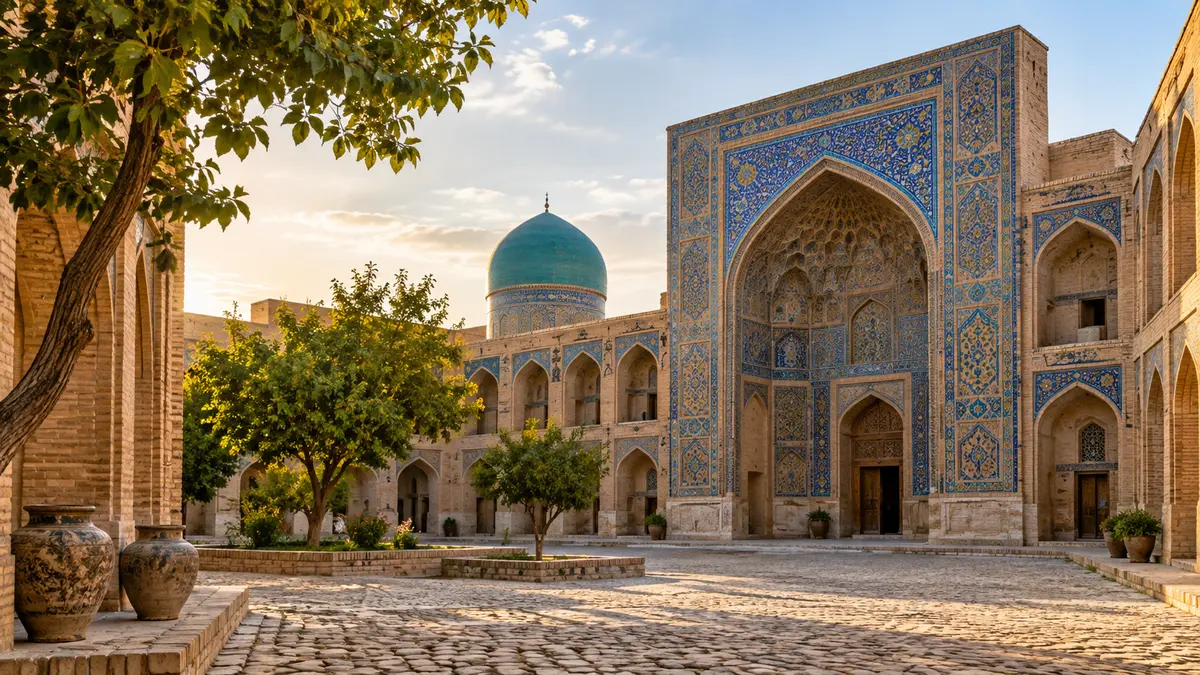 Uzbekistan's Tourism Expansion: Heritage Cities, Living Crafts and Regional Routes
 Ancient Fortresses and Museums of Western Uzbekistan
 LH Marthinusen opens R32 million Germiston fan factory
 Rishtan’s Craft Neighbourhood and the Fergana Valley
Leave a comment