
Indonesia Tells Furniture Exporters to Look Beyond the US Market
Indonesia's furniture industry should reduce its reliance on the United States - a market that currently absorbs about 60% of the country's furniture exports - and build direct relationships with international buyers, Coordinating Minister for Economic Affairs Airlangga Hartarto said at the International Furniture and Craft Fair Indonesia (IFFINA+) 2026 in Jakarta on Friday, September 25, 2026.
"The implementation of IFFINA+ today is important as a means of mitigating risks by expanding markets, building direct relationships with international buyers and reducing export dependence on certain markets," Airlangga said, as reported by ANTARA News English.
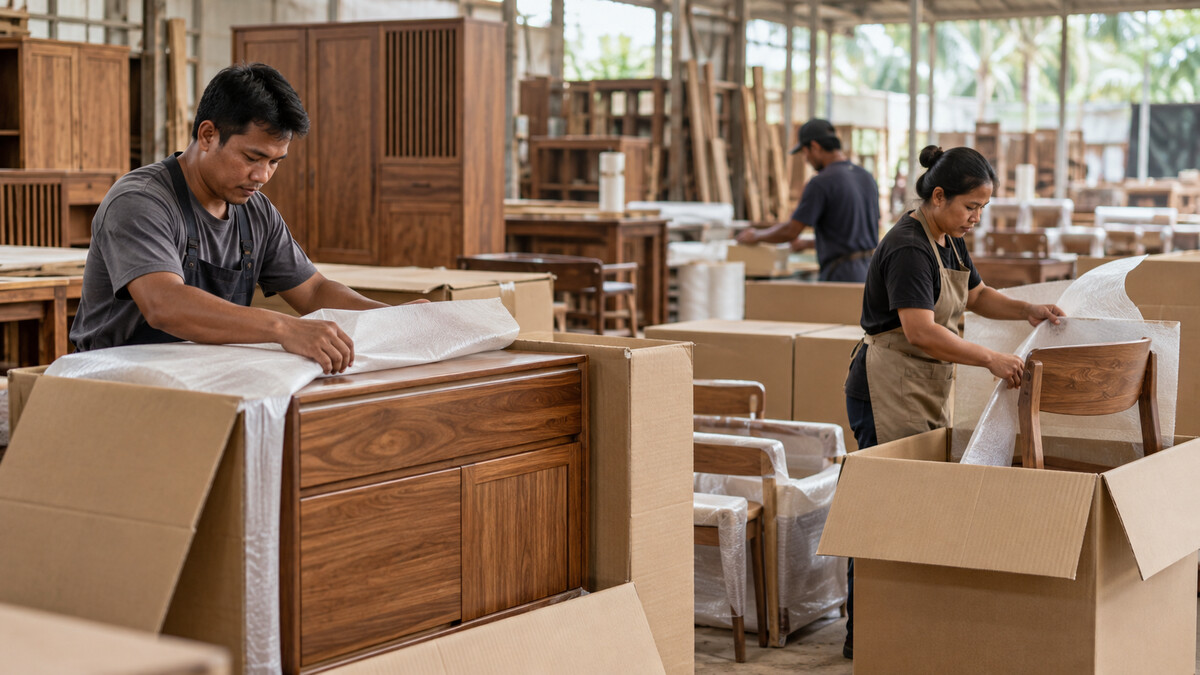
A furniture trade surplus every year since 2021
Despite global trade challenges, the sector has remained a net earner for the national economy. The key figures presented at the fair:
- furniture exports in 2025: US$2.39 billion;
- furniture imports in 2025: US$1.92 billion;
- trade surplus: US$473.31 million - the positive balance has been maintained since 2021;
- global ranking: 25th among furniture exporting countries;
- share of the world market: 0.77%.
Raw materials as a growth lever
Airlangga argued that the country can expand its global market share by capitalising on abundant natural resources. In 2024, Indonesia produced 57.46 million cubic meters of roundwood, and the country supplies more than 80% of the world's rattan. To compete globally, the minister added, local producers must adapt to changing market preferences, which increasingly prioritise functional, customizable and sustainable products.

The SME structure of the industry
The call for diversification also reflects the structure of the sector itself. Small and medium-sized industrial enterprises (IKMs) account for 99.79% of Indonesia's 4.45 million industrial business units and employ 65.52% of the industrial workforce. Many of these businesses continue to face technological constraints and relatively low productivity - factors that complicate the shift toward new export destinations.
How the government supports exporters
To address these challenges, Jakarta is providing fiscal incentives and financing, including:
- government-borne Article 21 income tax (PPh DTP) for eligible workers;
- financing through the Labor Intensive Industrial Credit scheme;
- machinery restructuring programs for manufacturers;
- export promotion support;
- strict enforcement of the Sustainable Wood Legality Verification System (SVLK).
What diversification would change
With around six of every ten export shipments heading to a single market, the industry remains exposed to tariff decisions, freight-rate swings and demand shocks in the US. A broader geography - including direct contracts negotiated at fairs such as IFFINA+ - is meant to make the trade network more resilient. Airlangga expressed optimism that events such as IFFINA+ 2026 would help drive direct trade transactions, expand international partnerships and strengthen the overall competitiveness of Indonesian furniture and craft products in the global market.
Latest Reports

Ancient Fortresses and Museums of Western Uzbekistan

Qatar LNG expansion: readiness, financing and the production test

Tianwan 7: first electricity and commissioning

Genentech breaks ground on its Hillsboro expansion

RZD changes return fees for tickets purchased from December
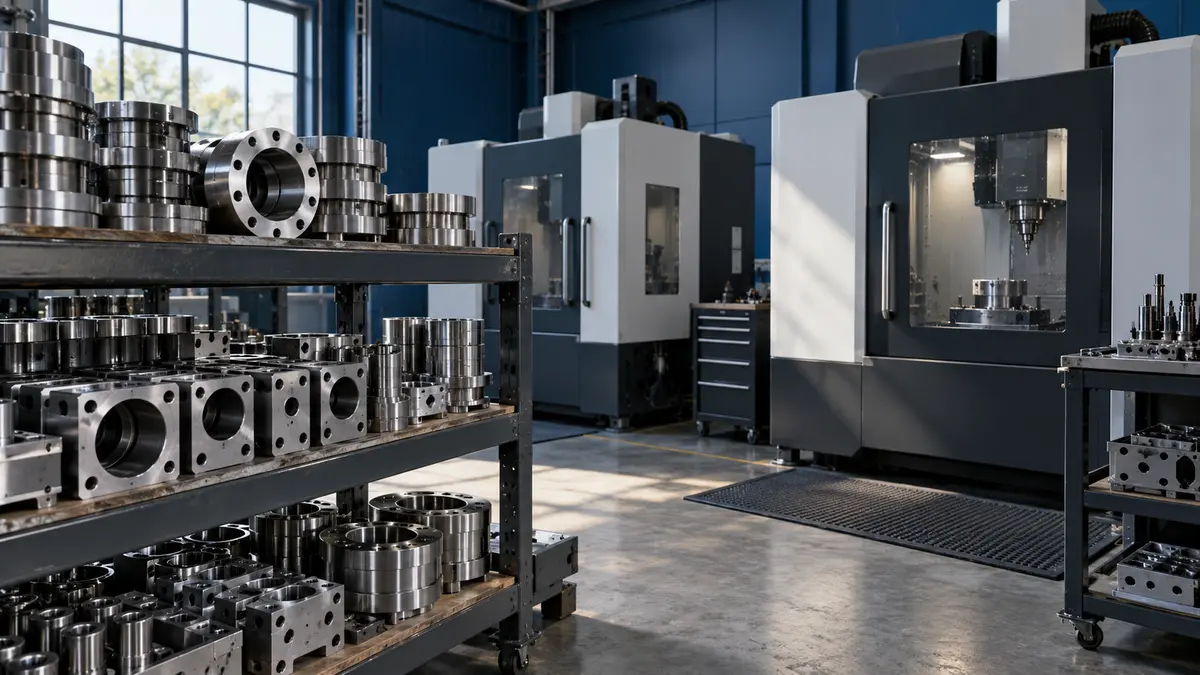
Why available capital does not close every defence supply gap
Partner reports
 Ageas agrees Esure acquisition to widen UK insurance distribution
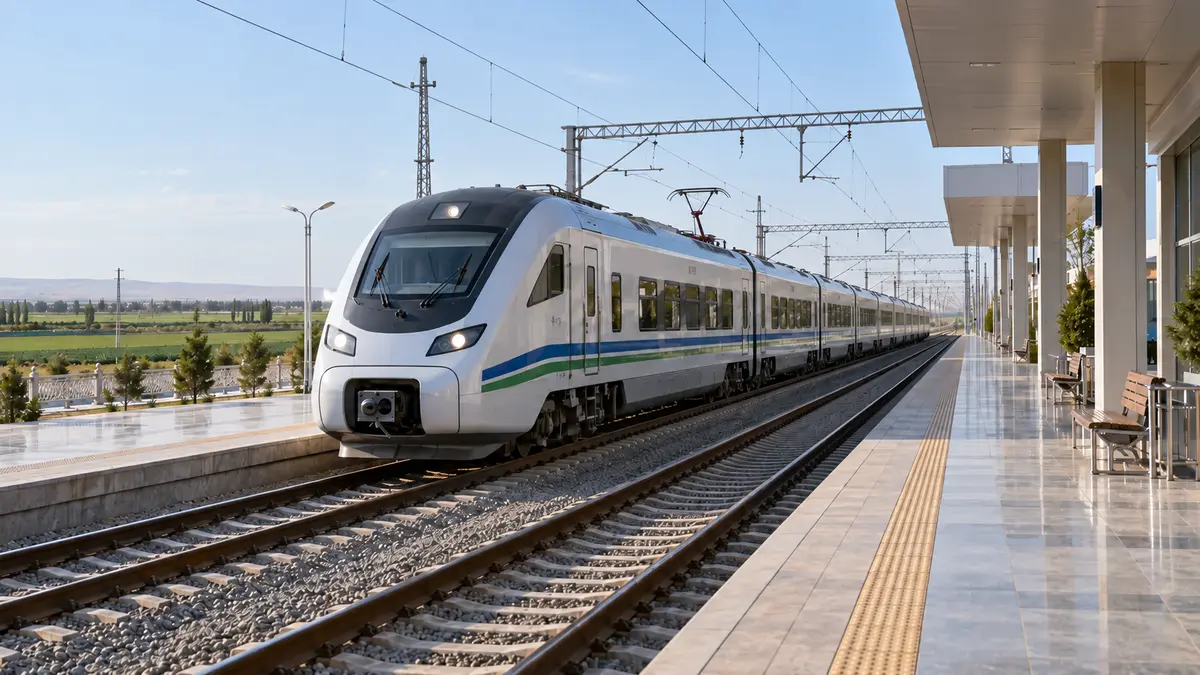 Uzbekistan’s Western Rail Corridor and the Journey to Khiva
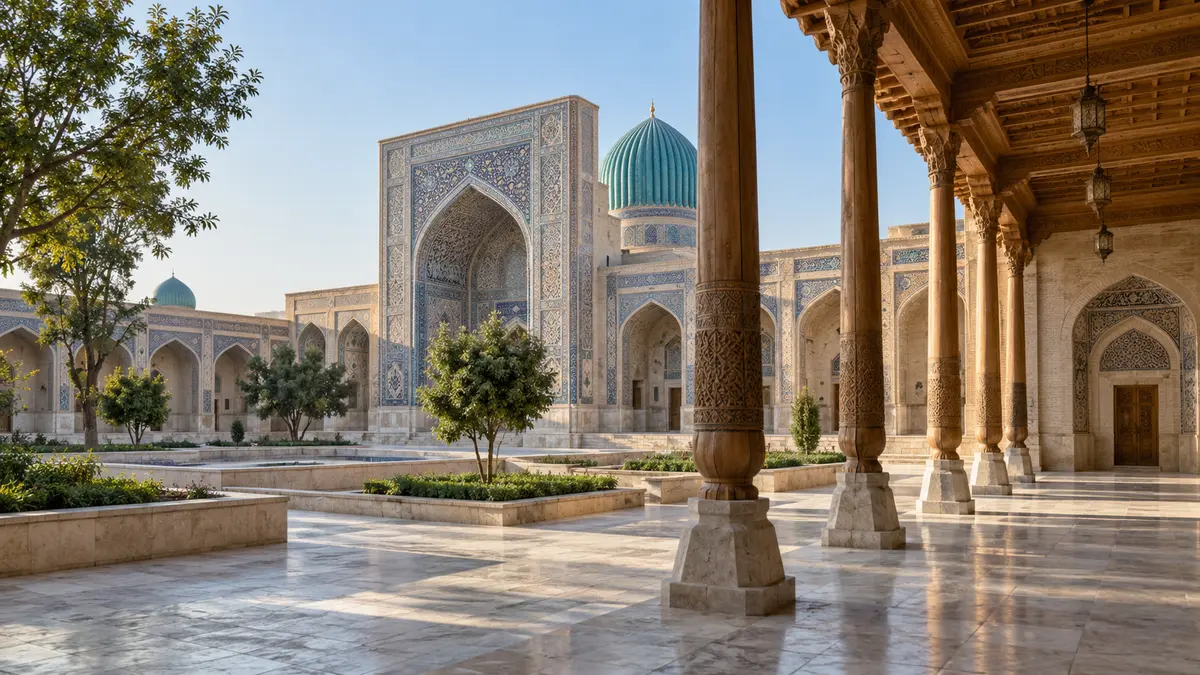 Imam al-Bukhari’s Heritage and Samarkand’s Pilgrimage Landscape
 Nilu and Sangardak: Village Tourism in Surkhandarya
 One Day in Kasri Orifon: Bukhara’s Pilgrimage Village
 Bukhara’s Biennale: Contemporary Art in Historic Spaces
 Khiva’s Walled City: Architecture, Palaces and Living Traditions
 Parkent’s Chashma Village: Folk Traditions Near Tashkent
 Uzbek Food and Cultural Traditions: From London’s Festival to Regional Tables
 Tashkent’s Museums, Mahallas and New Cultural Spaces
 Uzbekistan's Tourism Expansion: Heritage Cities, Living Crafts and Regional Routes
 Ancient Fortresses and Museums of Western Uzbekistan
 LH Marthinusen opens R32 million Germiston fan factory
 Rishtan’s Craft Neighbourhood and the Fergana Valley
Leave a comment