
Warehouse Demand in Russia Falls 28% as Record Supply Hits the Market
Deal volume on the warehouse real-estate market of Russia reached 4.1 million square metres from the start of the year through mid-November 2025, down 28% on the same period of 2024, Evgeny Bumagin, head of the warehouse and industrial premises department at IBC Real Estate, said at a Kommersant Publishing House session at the Mallpic forum in Sochi, as reported by Kommersant on November 20, 2025.
Multichannel retailers and online operators remain the main tenants of logistics space, Bumagin noted, while the number of built-to-suit projects — facilities developed for a specific occupier — keeps declining. The combination of softer take-up and a still-expanding construction pipeline is what turned 2025 into a year of rebalancing for the segment.
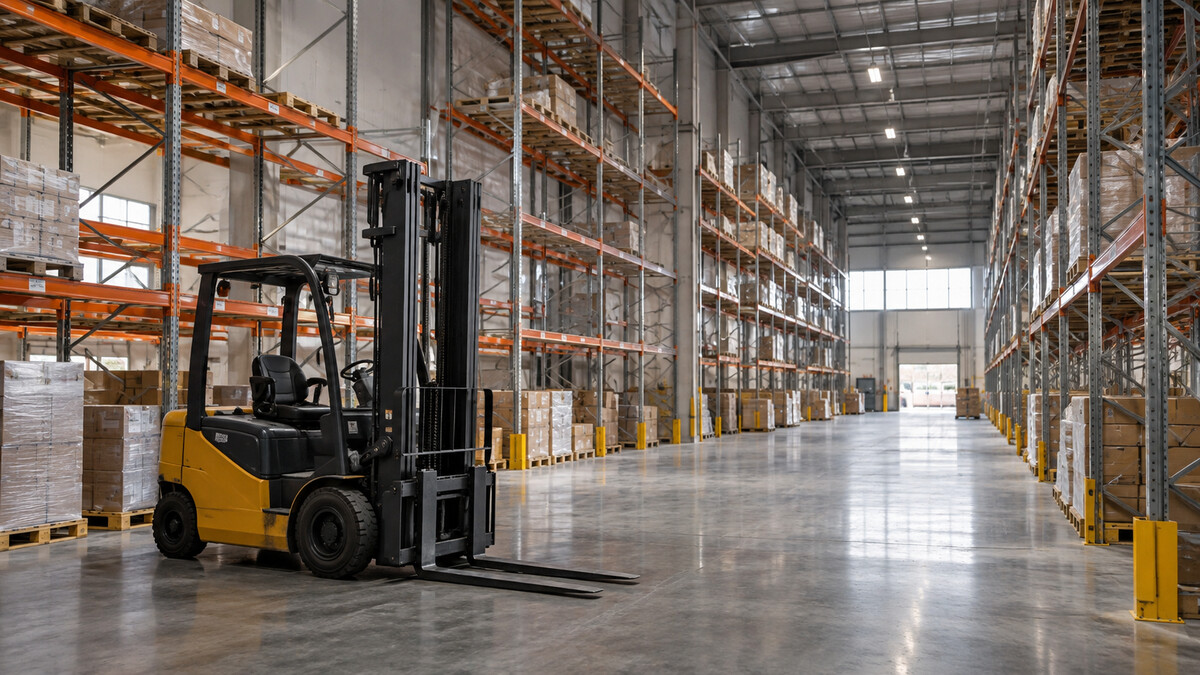
Record supply against falling demand
The demand contraction unfolded against the fastest supply growth in the market's modern history. According to IBC Real Estate, new warehouse completions in Russia reached 6.5 million square metres year-to-date, 71% more than a year earlier, and the full-year figure may set a record of about 7 million square metres. Developers have an even larger programme pencilled in for 2026 — 14 million square metres — although part of those projects will probably be postponed.
- deal volume (demand), year-to-date to November 2025: 4.1 million sq m, down 28% year-on-year;
- new supply (completions), year-to-date: 6.5 million sq m, up 71% year-on-year;
- full-year 2025 supply forecast: a record of about 7 million sq m;
- planned 2026 supply: 14 million sq m, with part of the projects likely to slip.
From overheated to moderate
Bumagin framed the slowdown as a normalisation rather than a collapse. “Demand is declining, but if you look at the volumes of previous years, we see a stable picture. 2026 will be a year of balance between supply and demand. Demand has moved from overheated to moderate,” he said at the Sochi session.
Marketplaces set the tone
The swing factor is e-commerce. Kommersant earlier reported that warehouse deals in Moscow and the Moscow Region fell 63% year-on-year in January-June 2025, to 792,000 square metres, as marketplace activity — the segment's key tenant and buyer of logistics-park space — slowed sharply and pushed demand to a critical level. Because online operators and multichannel retailers are the largest occupiers nationally, their pause is felt in every regional logistics park.

What to watch in 2026
Two numbers will decide whether the rebalancing Bumagin describes actually arrives: how much of the 14 million square metre 2026 pipeline survives postponement, and whether marketplace and multichannel-retail take-up stabilises once the current inventory of vacant and sublet space is absorbed. Until then, the market's centre of gravity stays with landlords competing for a narrower pool of tenants. The full dataset and the Sochi remarks were published by Kommersant.
Latest Reports

Ancient Fortresses and Museums of Western Uzbekistan

Qatar LNG expansion: readiness, financing and the production test

Tianwan 7: first electricity and commissioning

Genentech breaks ground on its Hillsboro expansion
RZD changes return fees for tickets purchased from December
Why available capital does not close every defence supply gap
Partner reports
 Ageas agrees Esure acquisition to widen UK insurance distribution
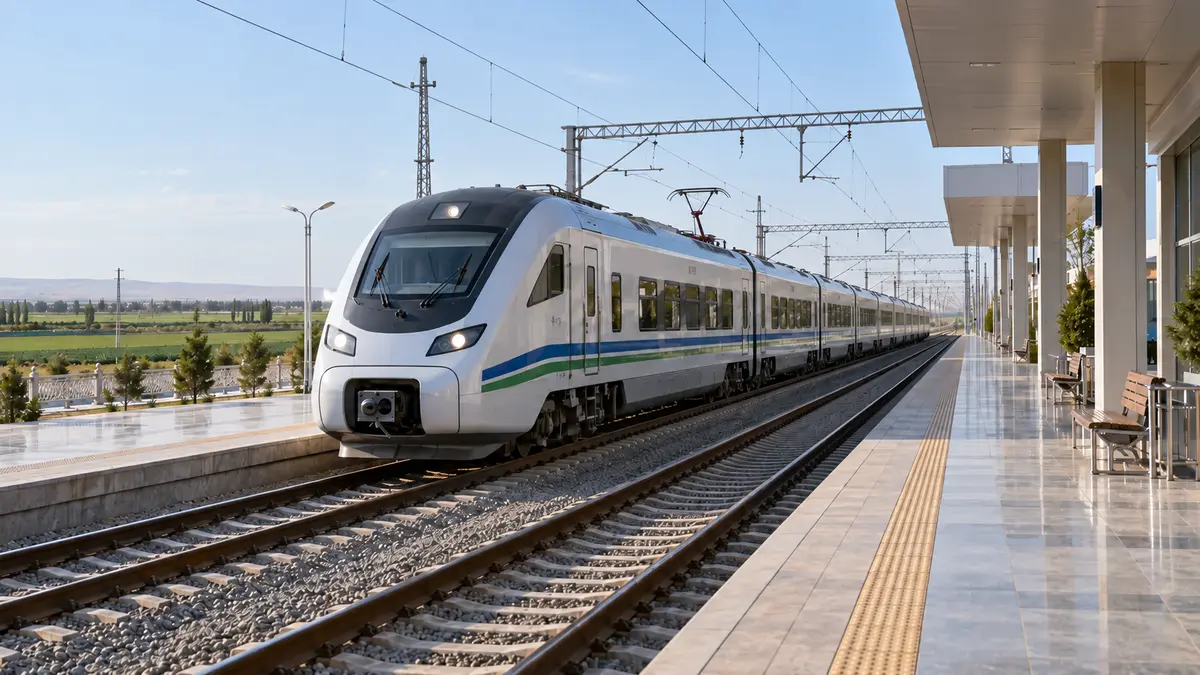 Uzbekistan’s Western Rail Corridor and the Journey to Khiva
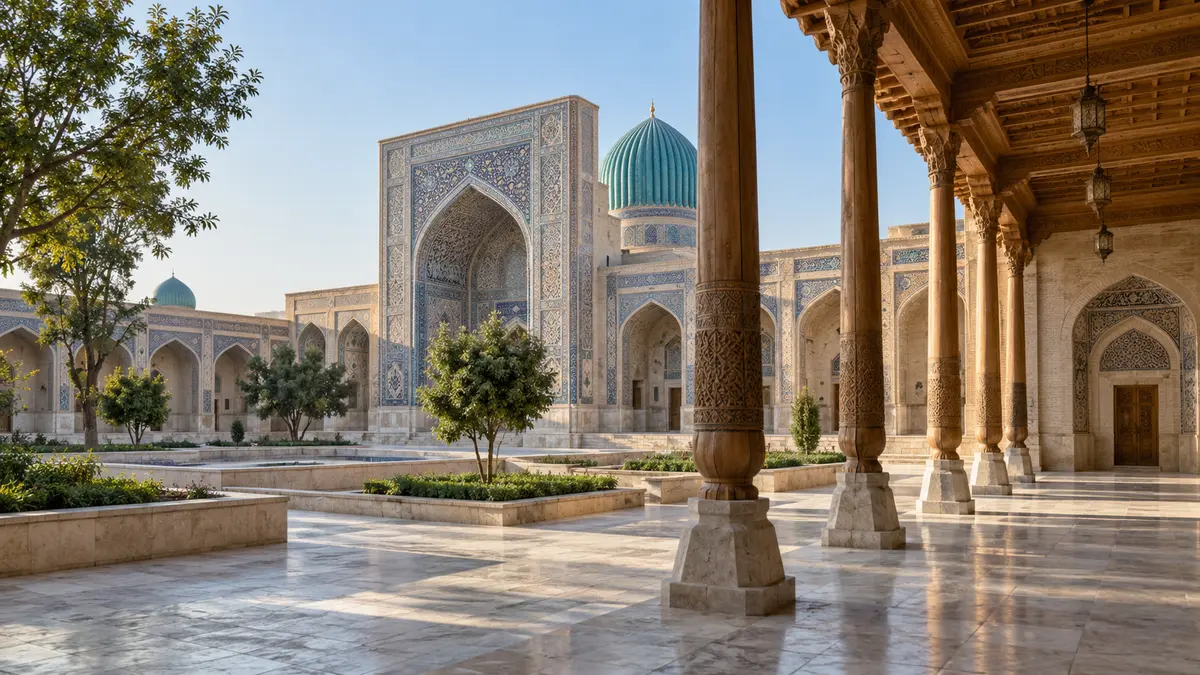 Imam al-Bukhari’s Heritage and Samarkand’s Pilgrimage Landscape
 Nilu and Sangardak: Village Tourism in Surkhandarya
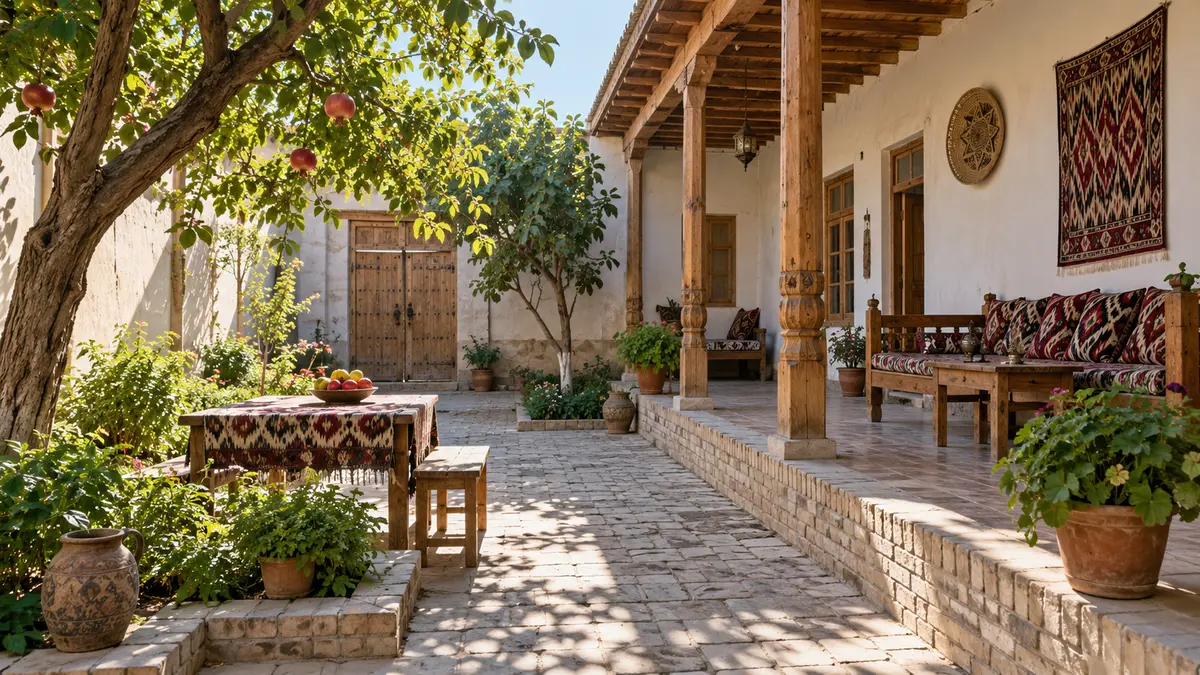 One Day in Kasri Orifon: Bukhara’s Pilgrimage Village
 Bukhara’s Biennale: Contemporary Art in Historic Spaces
 Khiva’s Walled City: Architecture, Palaces and Living Traditions
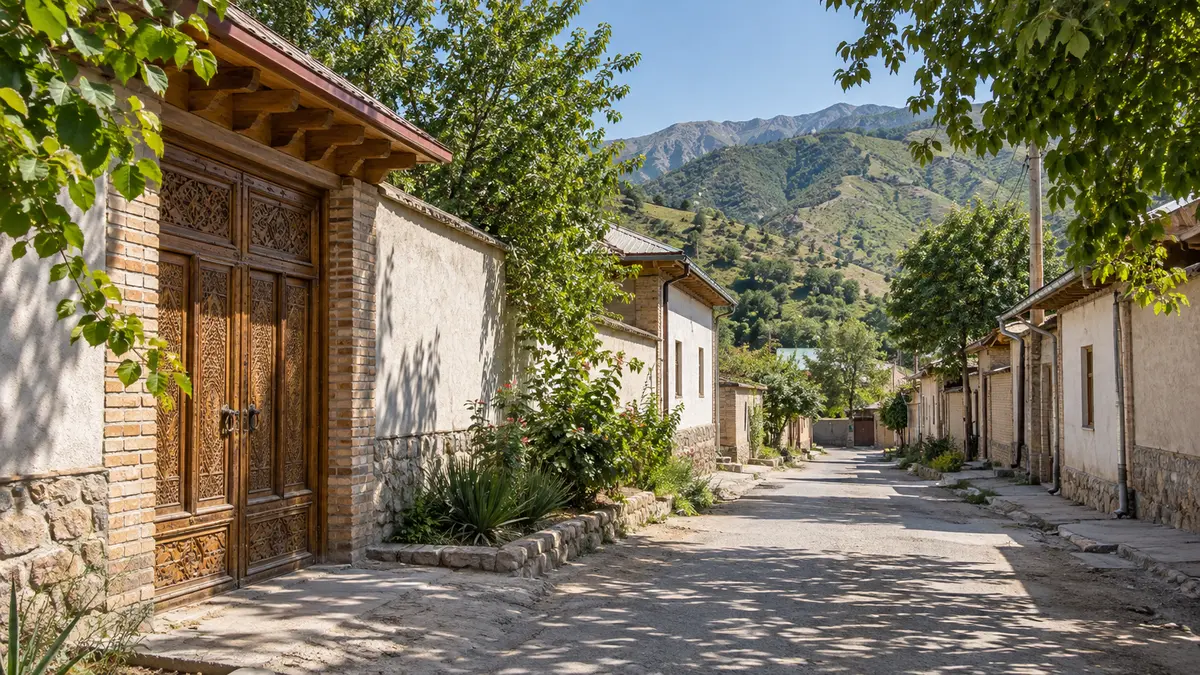 Parkent’s Chashma Village: Folk Traditions Near Tashkent
 Uzbek Food and Cultural Traditions: From London’s Festival to Regional Tables
 Tashkent’s Museums, Mahallas and New Cultural Spaces
 Uzbekistan's Tourism Expansion: Heritage Cities, Living Crafts and Regional Routes
 Ancient Fortresses and Museums of Western Uzbekistan
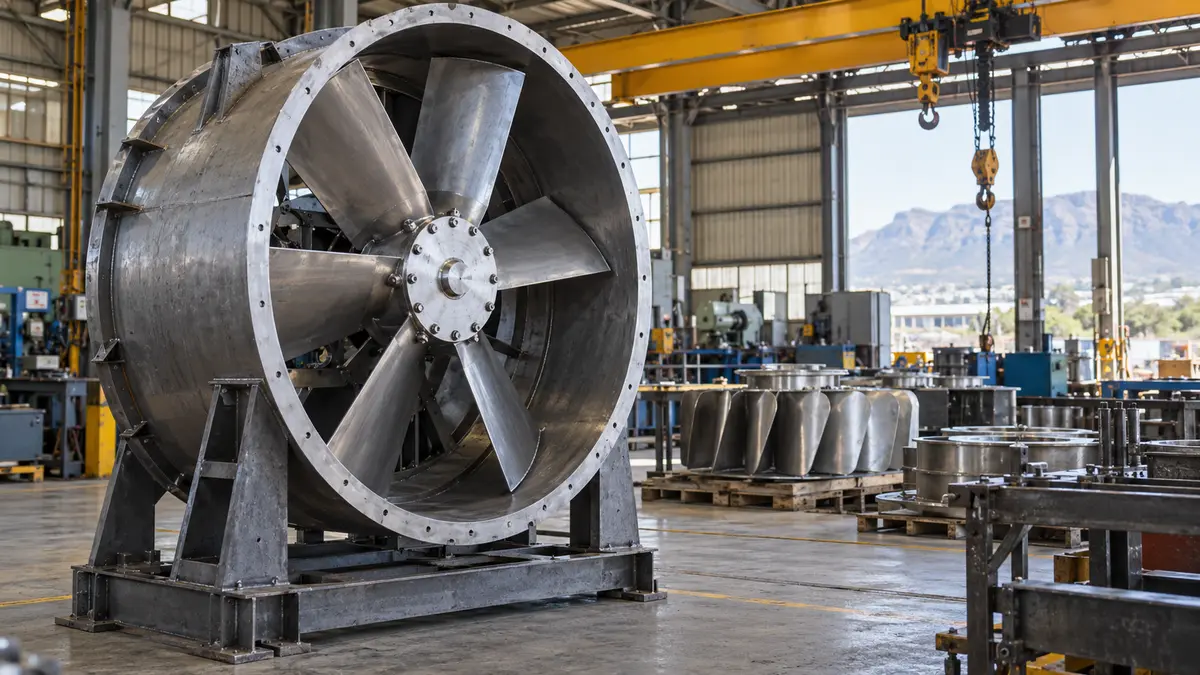 LH Marthinusen opens R32 million Germiston fan factory
 Rishtan’s Craft Neighbourhood and the Fergana Valley
Leave a comment