
Russia's Average Hotel Night Falls 9% This Summer as Tourist Flows Shift From the South to Growing Regions
Cooling demand for domestic travel pushed the average cost of a hotel night in Russia down 9% over the summer of 2025: from 12,021 rubles in mid-May to 10,949 rubles by mid-August, Ilya Umansky, president of the Russian Union of Travel Industry (RST), said at a press conference in Moscow on August 14, 2025, as reported by Interfax. The price retreat came alongside a redistribution of tourist flows: the country's traditional southern summer hub lost part of its visitors, while thirteen other regions recorded growth.

Hotel prices follow the demand curve down
"The decline in demand certainly influenced pricing," Umansky said. The union's measurements of collective accommodation facilities — hotels, guest houses and sanatoriums — show the summer's price path:
- mid-May 2025 — an average of 12,021 rubles per night;
- mid-August 2025 — an average of 10,949 rubles per night;
- a reduction of more than 1,000 rubles, or 9%, over roughly three months.
The RST president had earlier noted that the summer slowdown in domestic travel demand is tied first of all to a decline in tourist flow to Krasnodar Krai, the most popular summer destination in the country. Against that backdrop, a broad set of other regions gained guests.

Thirteen regions grew against the trend
Umansky listed the regions where tourist flow rose year-on-year during the summer season:
- Crimea — up 42%;
- Yaroslavl Oblast — up 22%;
- Dagestan — up 20%;
- Kabardino-Balkaria — up 17%;
- Kuzbass — up 17%;
- Volgograd Oblast — up 15%;
- Kirov Oblast — up 14%;
- Krasnoyarsk Krai — up 14%;
- Sverdlovsk Oblast — up 13%;
- Adygea — up 12%;
- Buryatia — up 12%;
- Primorsky Krai — up 10%;
- Vologda Oblast — up 8%.
The list mixes seaside and mountain destinations — Crimea, Dagestan, Adygea, Kabardino-Balkaria — with inland cultural and nature routes such as Yaroslavl, Vologda and Kirov oblasts, Krasnoyarsk Krai, Kuzbass, Buryatia and Primorsky Krai. In the union's reading, summer demand did not disappear: it moved to a wider map of destinations.
Experience-driven travel and cheaper alternatives
Umansky described two behavioural shifts behind the redistribution. First, Russian tourists increasingly travel for impressions, which lifts the popularity of event tourism. Second, interest in trips to nature and in ecotourism is growing, visible in rising bookings of modular accommodation units in scenic corners of the country.
Alternative accommodation gains share
"We see another trend — a rise in the number of bookings of alternative accommodation: apartments and flats. As a rule, they can offer lodging about 20% cheaper than hotels. And we are talking about legal properties that can be booked on digital platforms," Umansky concluded.
For regional economies, the combination of a cheaper average hotel night, a broader destination map and a growing share of legal alternative lodging means the 2025 summer season tested each region's ability to convert redistributed demand into revenue, rather than letting the season depend on a single southern hub. The figures are the industry union's own estimates, presented at its press conference and reported by Interfax.
Latest Reports
Ancient Fortresses and Museums of Western Uzbekistan

Qatar LNG expansion: readiness, financing and the production test

Tianwan 7: first electricity and commissioning

Genentech breaks ground on its Hillsboro expansion
RZD changes return fees for tickets purchased from December

Why available capital does not close every defence supply gap
Partner reports
 Ageas agrees Esure acquisition to widen UK insurance distribution
 Uzbekistan’s Western Rail Corridor and the Journey to Khiva
 Imam al-Bukhari’s Heritage and Samarkand’s Pilgrimage Landscape
 Nilu and Sangardak: Village Tourism in Surkhandarya
 One Day in Kasri Orifon: Bukhara’s Pilgrimage Village
 Bukhara’s Biennale: Contemporary Art in Historic Spaces
 Khiva’s Walled City: Architecture, Palaces and Living Traditions
 Parkent’s Chashma Village: Folk Traditions Near Tashkent
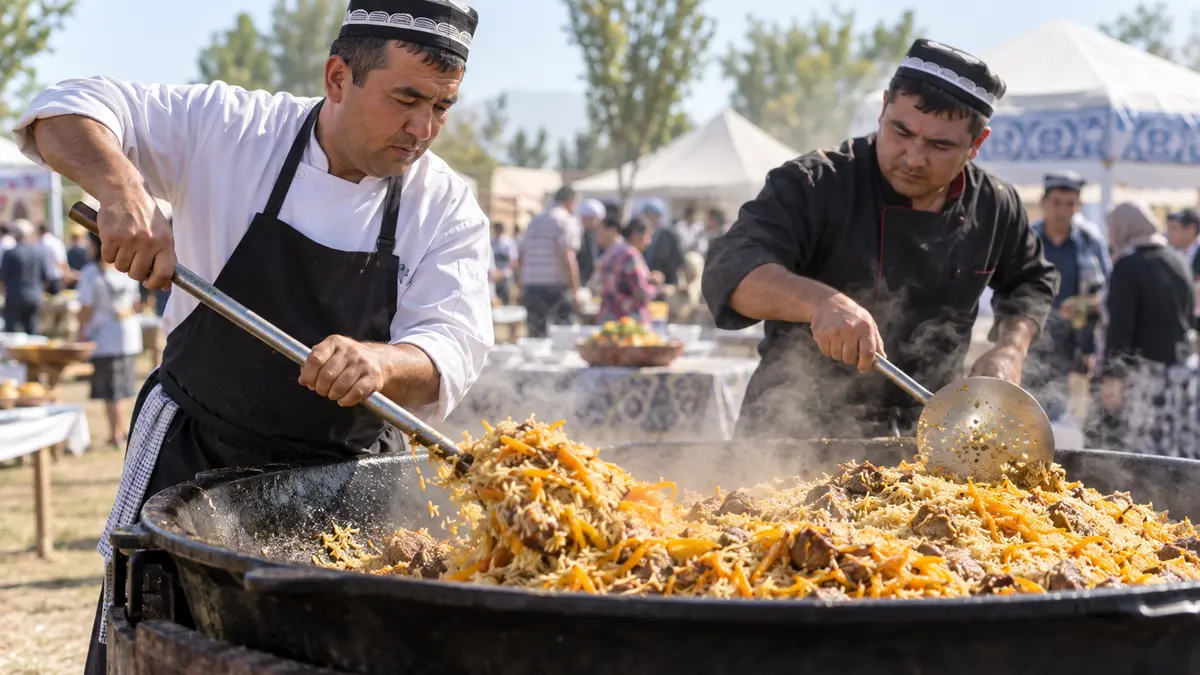 Uzbek Food and Cultural Traditions: From London’s Festival to Regional Tables
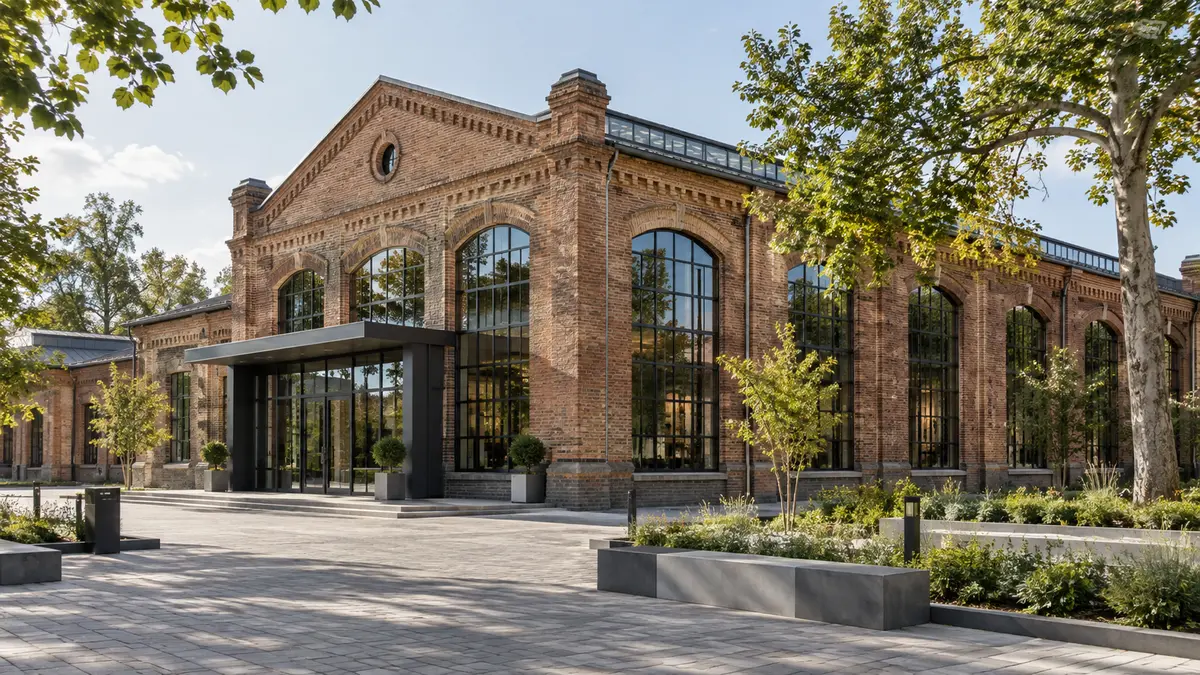 Tashkent’s Museums, Mahallas and New Cultural Spaces
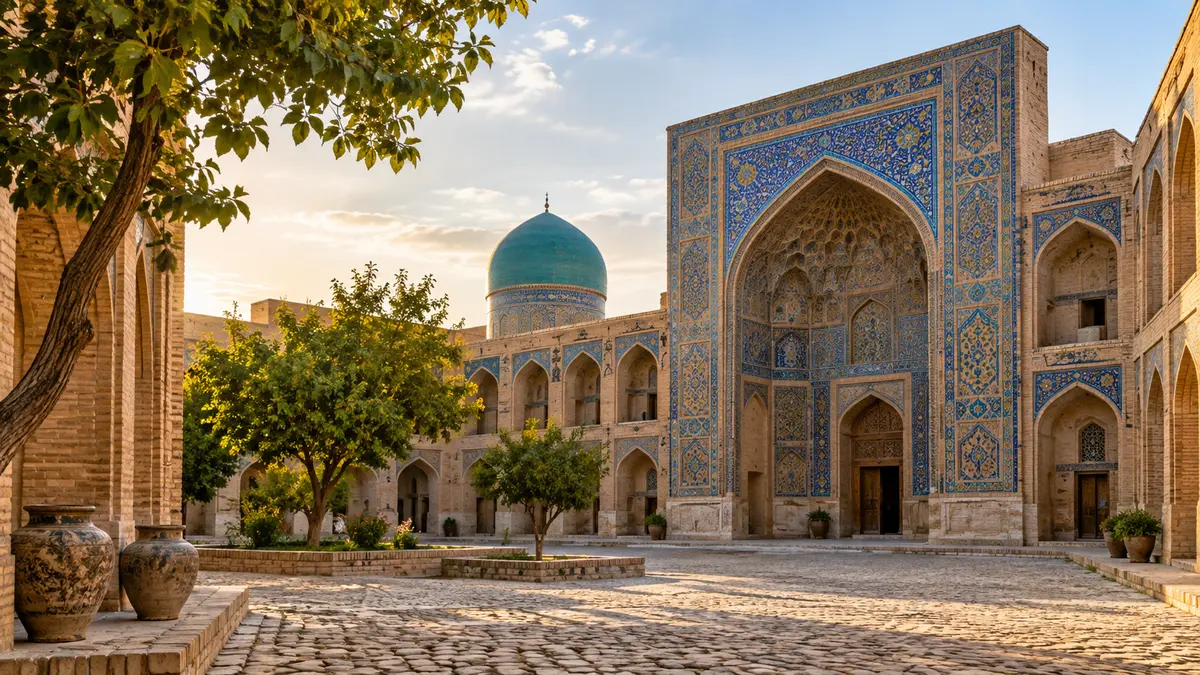 Uzbekistan's Tourism Expansion: Heritage Cities, Living Crafts and Regional Routes
 Ancient Fortresses and Museums of Western Uzbekistan
 LH Marthinusen opens R32 million Germiston fan factory
 Rishtan’s Craft Neighbourhood and the Fergana Valley
Leave a comment