
Russia Adopts Its Three-Year Budget: 40.3 Trillion Roubles of Revenue in 2025 as Oil's Share Is Set to Shrink
Russia's State Duma adopted on November 21, 2024 the federal budget law of Russia for 2025 and the planning period of 2026–2027. The three-year plan, submitted to parliament in late September as bill No. 727320-8, was signed by President Vladimir Putin on November 30, 2024 as Federal Law No. 419-FZ. It sets revenues of 40.30 trillion roubles and expenditures of 41.47 trillion roubles for 2025, with the deficit capped at 0.5% of GDP.
A three-year budget in numbers
The law fixes a gradually widening gap between revenues and spending across the planning horizon, with the deficit measured against GDP as the key sustainability indicator:
- 2025 — revenues of 40.30 trillion roubles (18.8% of GDP), expenditures of 41.47 trillion (19.3% of GDP), a deficit of 1.17 trillion, or 0.5% of GDP;
- 2026 — revenues of 41.84 trillion (18.1% of GDP), expenditures of 44.02 trillion (19.1% of GDP), a deficit of 2.18 trillion, or 0.9% of GDP;
- 2027 — revenues of 43.15 trillion (17.4% of GDP), expenditures of 45.92 trillion (18.5% of GDP), a deficit of 2.76 trillion, or 1.1% of GDP.
Domestic state borrowing is designated as the main source of deficit financing. The ceiling on internal state debt rises from 29.39 trillion roubles at the start of 2026 to 39.00 trillion at the start of 2028, while the external debt ceiling shrinks over the same period — from $61.1 billion to $56.5 billion. The full parameters of the law were published by the Interfax news agency.
Oil's shrinking share
One of the structural features of the new budget is the declining contribution of hydrocarbons. Oil and gas revenues are projected at 10.94 trillion roubles in 2025 (5.1% of GDP), falling to 10.56 trillion in 2026 and 9.77 trillion in 2027 — just 3.9% of GDP. Non-oil-and-gas revenues move in the opposite direction, climbing from 29.36 trillion roubles in 2025 to 33.39 trillion in 2027, which makes the budget increasingly reliant on domestic taxes and levies rather than energy exports.

Reserves are set to grow
The National Wealth Fund, the country's main fiscal reserve, is projected to increase from 11.06 trillion roubles (5.2% of GDP) at the start of 2025 to 14.93 trillion roubles (6% of GDP) by 2027, according to the parameters cited by the Prime news agency. The fund's growth is built into a plan that keeps the headline deficit modest by federal standards of the past decade, even as borrowing increases.
Where the money goes
The law names four key priorities: social obligations to citizens, security and defence, technological sovereignty, and infrastructure development. In monetary terms, the largest blocks of the 2025 budget are:
- social policy — around 21 trillion roubles over the planning period;
- defence and security — about 14 trillion roubles;
- the national economy — roughly 14 trillion roubles.

The macroeconomic frame
The budget is built on the government's baseline forecast of 2.5% GDP growth in 2025, to 214.58 trillion roubles, accelerating to 2.6% in 2026 and 2.8% in 2027. Inflation is expected at 4.5% in 2025 before returning to the 4% target in 2026–2027. If those projections hold, the three-year plan keeps spending growth ahead of revenues while the deficit stays within the declared 0.5–1.1% of GDP corridor.
Latest Reports

Ancient Fortresses and Museums of Western Uzbekistan

Qatar LNG expansion: readiness, financing and the production test

Tianwan 7: first electricity and commissioning

Genentech breaks ground on its Hillsboro expansion
RZD changes return fees for tickets purchased from December

Why available capital does not close every defence supply gap
Partner reports
 Ageas agrees Esure acquisition to widen UK insurance distribution
 Uzbekistan’s Western Rail Corridor and the Journey to Khiva
 Imam al-Bukhari’s Heritage and Samarkand’s Pilgrimage Landscape
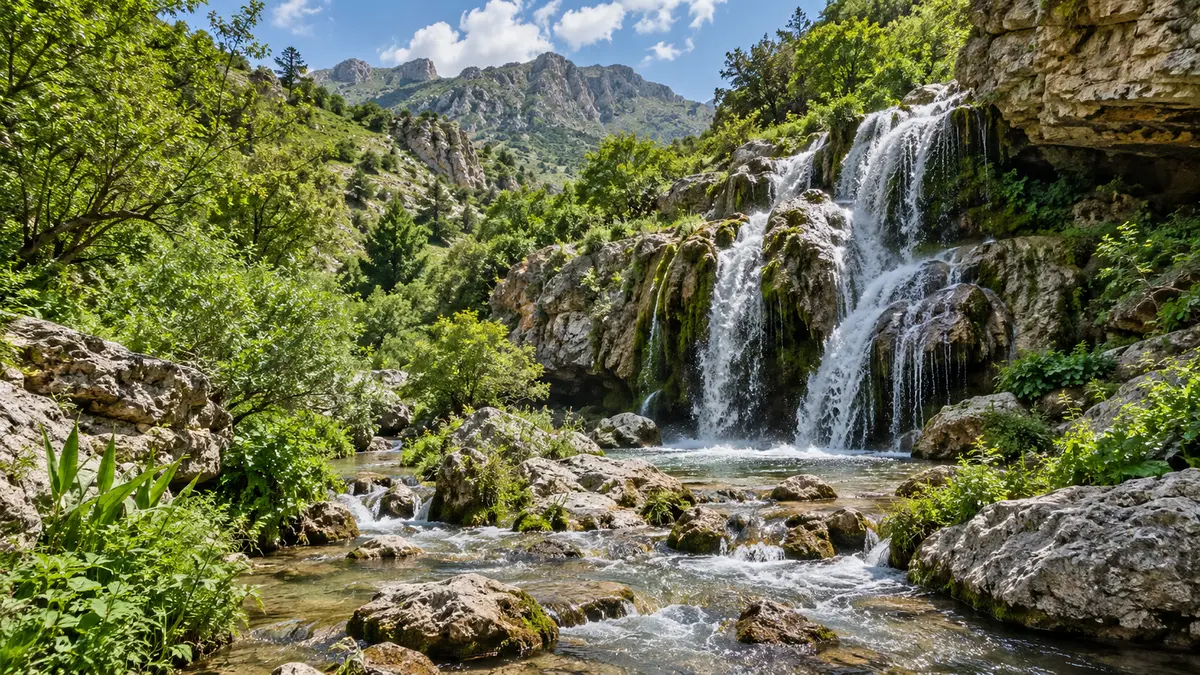 Nilu and Sangardak: Village Tourism in Surkhandarya
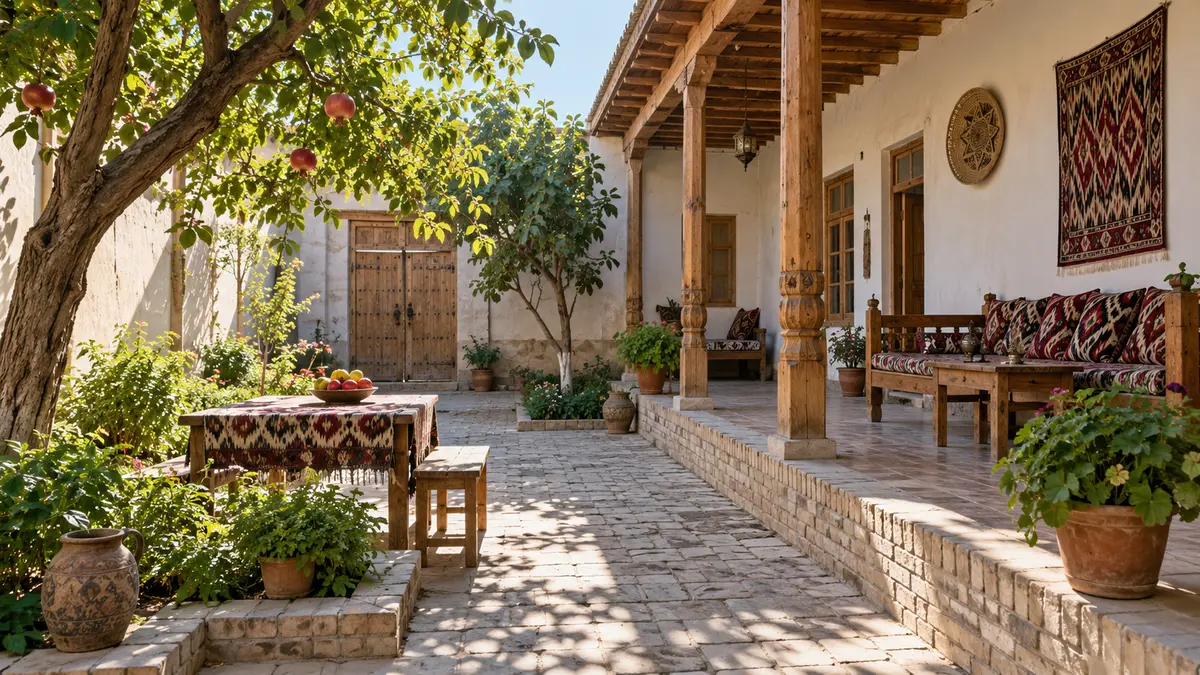 One Day in Kasri Orifon: Bukhara’s Pilgrimage Village
 Bukhara’s Biennale: Contemporary Art in Historic Spaces
 Khiva’s Walled City: Architecture, Palaces and Living Traditions
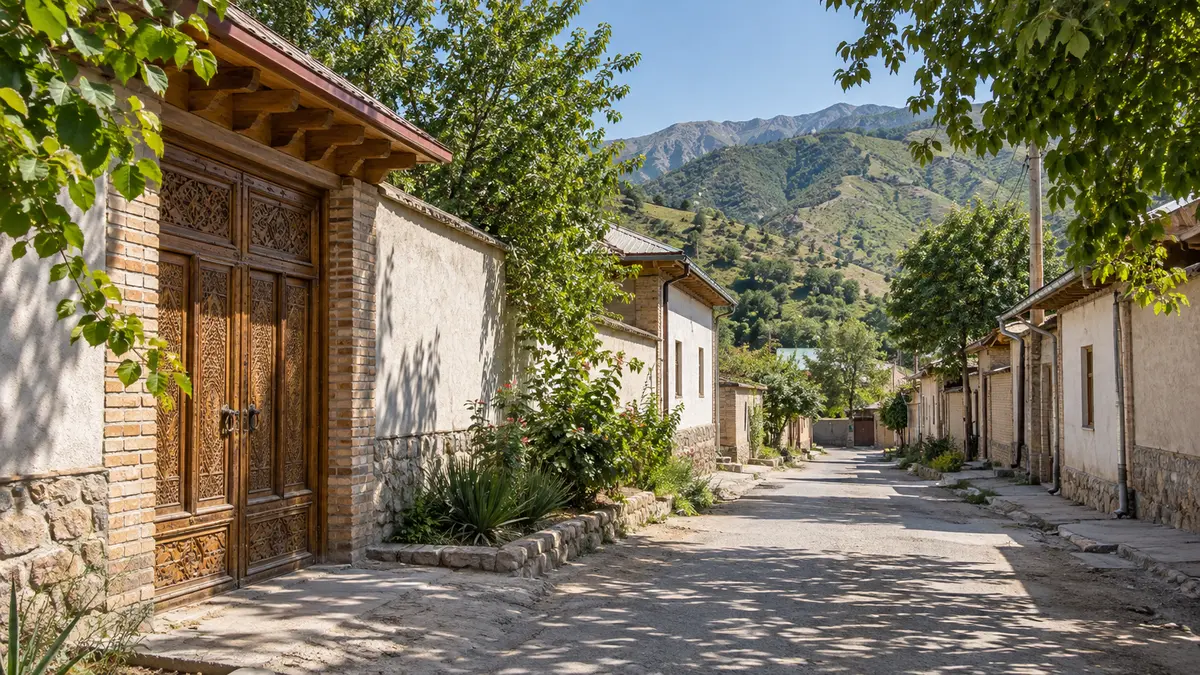 Parkent’s Chashma Village: Folk Traditions Near Tashkent
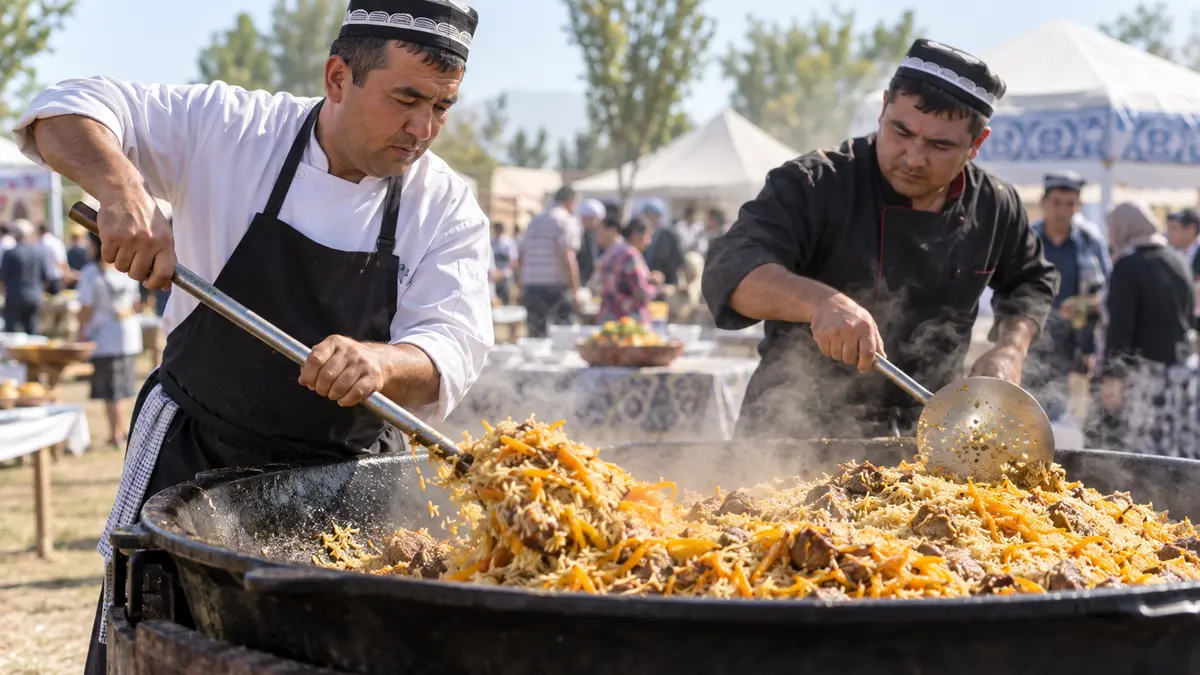 Uzbek Food and Cultural Traditions: From London’s Festival to Regional Tables
 Tashkent’s Museums, Mahallas and New Cultural Spaces
 Uzbekistan's Tourism Expansion: Heritage Cities, Living Crafts and Regional Routes
 Ancient Fortresses and Museums of Western Uzbekistan
 LH Marthinusen opens R32 million Germiston fan factory
 Rishtan’s Craft Neighbourhood and the Fergana Valley
Leave a comment