
Back on Schedule: Russia Hands Over 11 Turbines in 2025–2026 as Power Machines Recovers From Sanctions Delays
Deliveries of equipment for power-generation projects in Russia are proceeding broadly in line with the schedule updated in 2025, Industry and Trade Minister Anton Alikhanov said on September 16, 2026, as reported by Interfax. Speaking on the sidelines of the international industrial-energy forum in Tyumen, the minister put numbers on the recovery: six turbines were handed over to generation companies in 2025 and five more in 2026, with another four ready for delivery before the end of the year, according to Prime news agency.
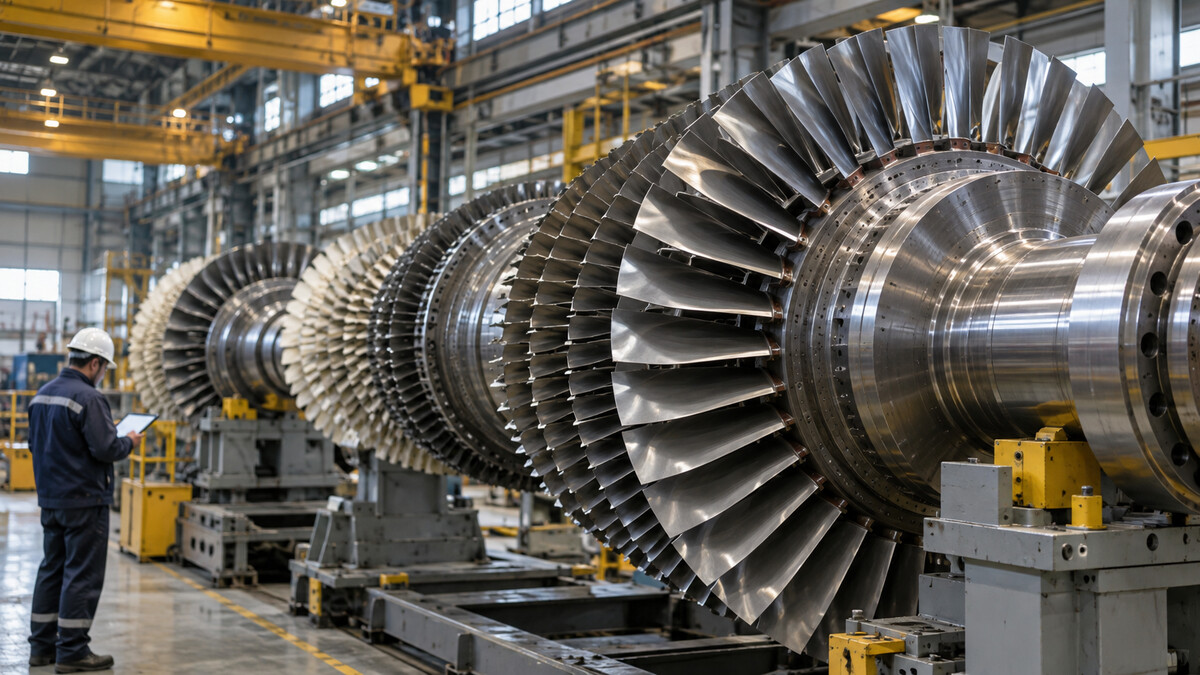
The delivery tally and its geography
The figures cover the steam turbines that Russian plants supply for the commissioning of new generating facilities. The units already handed over and those still to ship this year are spread across several regions:
- 2025 — six turbines delivered to generation companies;
- 2026, through mid-September — five more turbines;
- by the end of 2026 — four additional turbines for stations in Moscow Region, Sverdlovsk Region, the Republic of Sakha (Yakutia) and Khanty-Mansi Autonomous Area.
Alikhanov added that shipments now run at "plus 3–5 months" relative to the original, un-updated calendar — a lag the ministry considers "within acceptable limits".
How the schedule broke, and how it was re-approved
The problem dates back to November 2024, when the Industry and Trade Ministry formally recorded missed deadlines for steam-turbine deliveries by Power Machines; those units were expected to reach customers within the following three years, Prime noted. Alikhanov attributed the disruptions largely to the "wave of sanctions" that rolled onto Russian manufacturers — Power Machines and Uralskiye Zavody among them.
The remedy was administrative as much as industrial: new delivery schedules were corrected and re-approved at the level of the government commissions of First Deputy Prime Minister Denis Manturov and Deputy Prime Minister Alexander Novak. Since then, the minister said, the industry has been moving in line with the updated deadlines.
- November 2024 — the ministry records delivery failures by Power Machines;
- 2025 — schedules are corrected and re-approved by the Manturov and Novak commissions;
- 2025 — six turbines are handed over to customers;
- 2026 — five more turbines delivered, four more in preparation;
- next step — a return to the "normal, routine planned regime".
The import-substitution base under the recovery
The delivery rebound rests on a broader localisation programme in power engineering. In a May 2025 article for the journal Energeticheskaya Politika, Deputy Prime Minister Alexander Novak wrote that up to eight GTE-170/GTE-65 gas turbines were planned for production in 2025, that four thermal-station modernisation projects totalling 1,605 MW are scheduled for 2027–2029, and that roughly 45 GW of new and modernised generating capacity is to be commissioned by 2050 — mostly with domestic gas turbines, Interfax reported. By 2050, the share of Russian technologies and equipment in the power sector should reach 90%.

Power Machines, which builds the GTE-170 and GTE-65 gas turbines, manufactured and prepared its first GTE-170 for shipment to Inter RAO's Kashira GRES in February 2025, and its then chief executive Alexander Konyukhov said the company was also working on a deeply modernised version of the machine rated at roughly 200–210 MW.
What officials expect next
Alikhanov said he expects the sector to move on to a "normal, routine planned regime", crediting the substantial import-substitution work its manufacturers have completed. For Power Machines and Uralskiye Zavody, the test is whether the re-approved pace holds through the four remaining deliveries of 2026 — and through the modernisation projects queued for 2027–2029.
Latest Reports
Ancient Fortresses and Museums of Western Uzbekistan
Qatar LNG expansion: readiness, financing and the production test
Tianwan 7: first electricity and commissioning

Genentech breaks ground on its Hillsboro expansion
RZD changes return fees for tickets purchased from December
Why available capital does not close every defence supply gap
Partner reports
 Ageas agrees Esure acquisition to widen UK insurance distribution
 Uzbekistan’s Western Rail Corridor and the Journey to Khiva
 Imam al-Bukhari’s Heritage and Samarkand’s Pilgrimage Landscape
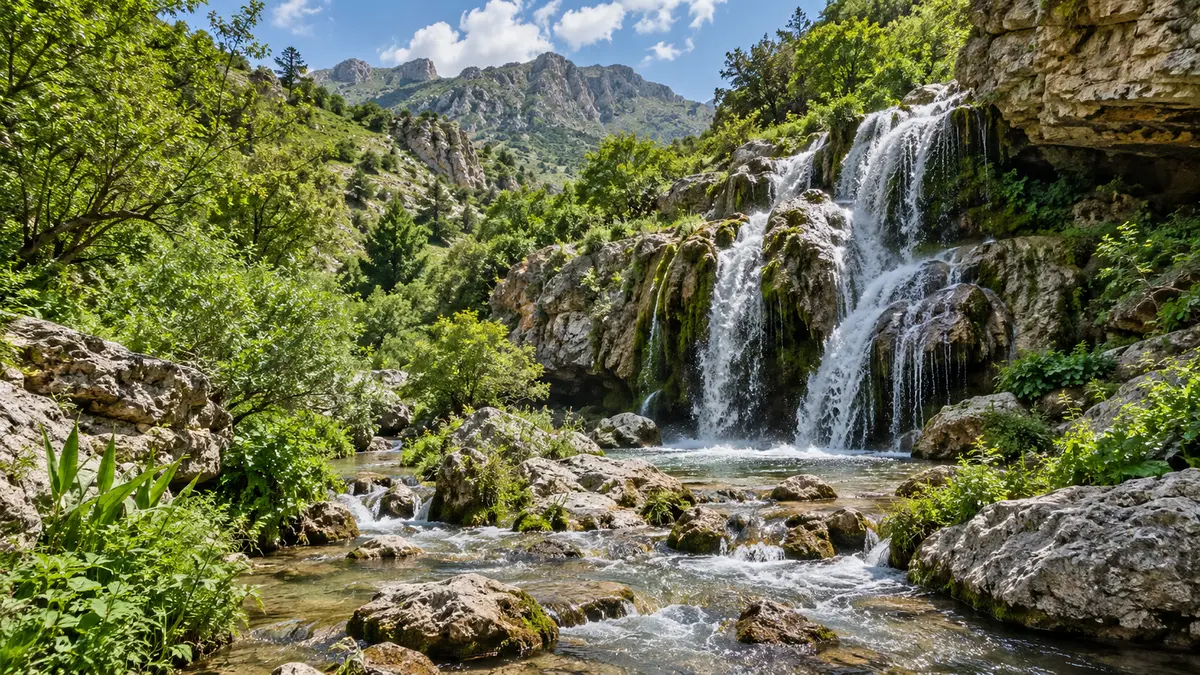 Nilu and Sangardak: Village Tourism in Surkhandarya
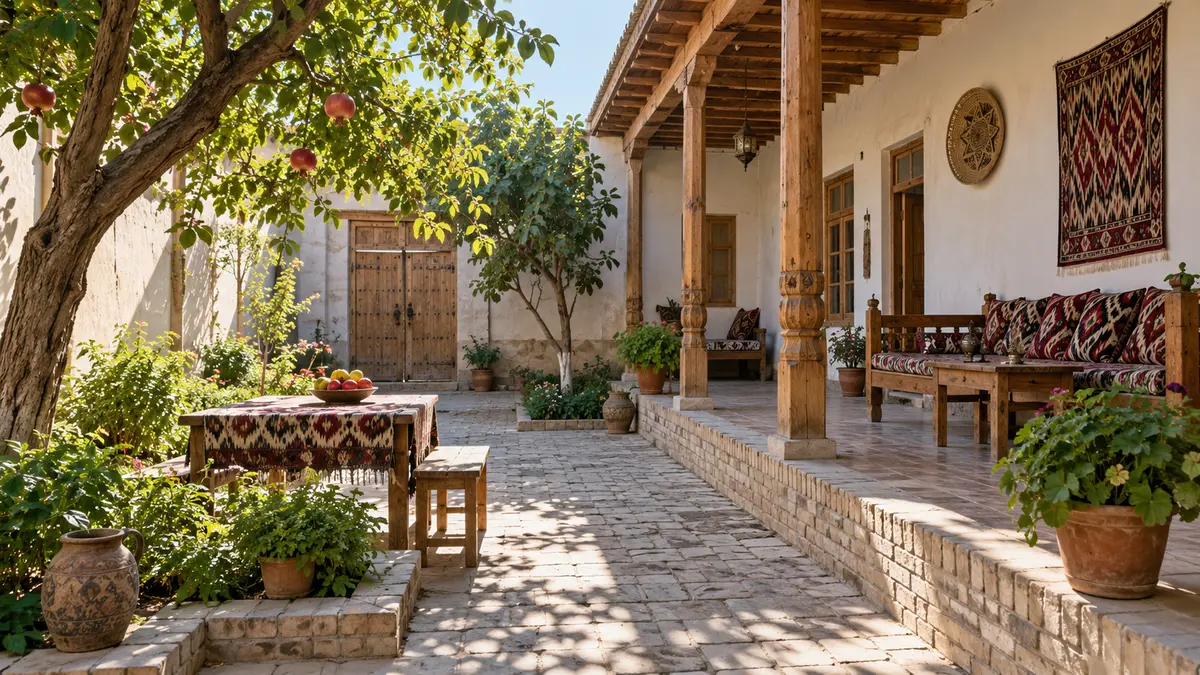 One Day in Kasri Orifon: Bukhara’s Pilgrimage Village
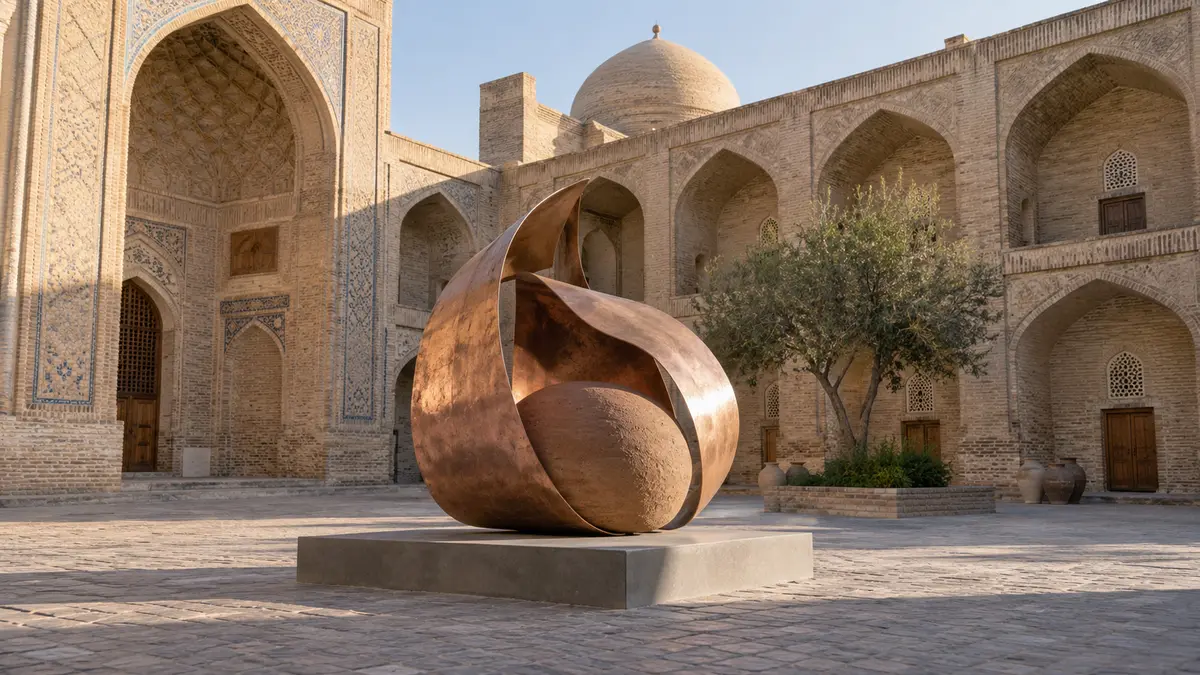 Bukhara’s Biennale: Contemporary Art in Historic Spaces
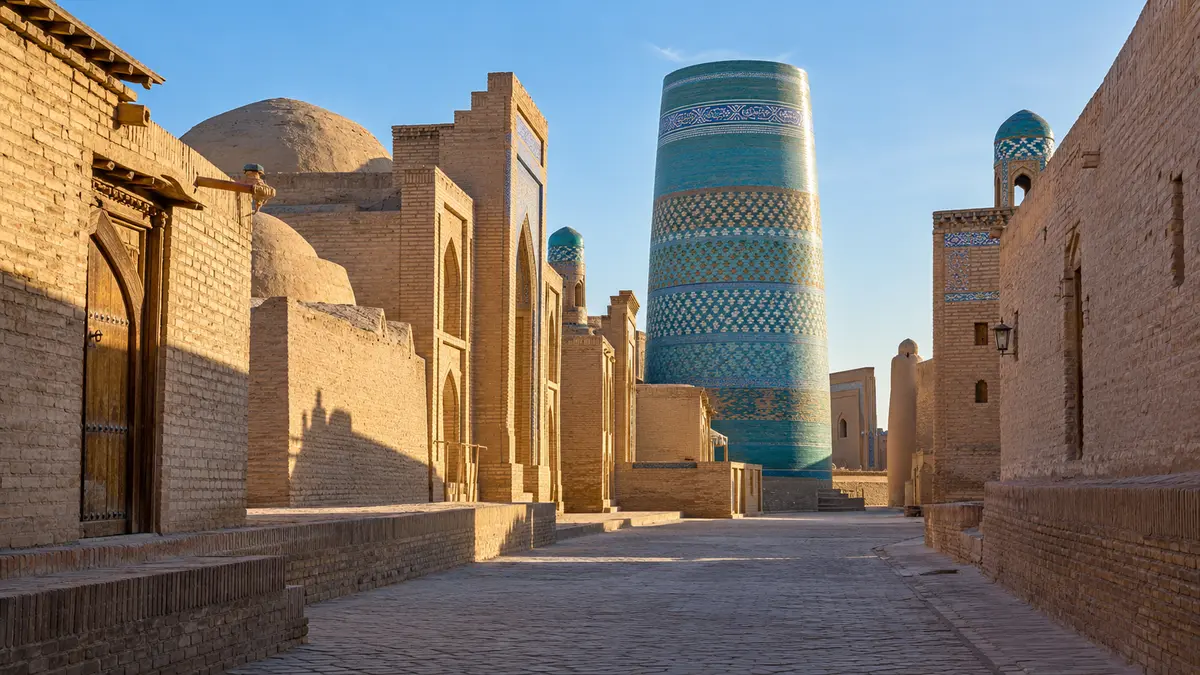 Khiva’s Walled City: Architecture, Palaces and Living Traditions
 Parkent’s Chashma Village: Folk Traditions Near Tashkent
 Uzbek Food and Cultural Traditions: From London’s Festival to Regional Tables
 Tashkent’s Museums, Mahallas and New Cultural Spaces
 Uzbekistan's Tourism Expansion: Heritage Cities, Living Crafts and Regional Routes
 Ancient Fortresses and Museums of Western Uzbekistan
 LH Marthinusen opens R32 million Germiston fan factory
 Rishtan’s Craft Neighbourhood and the Fergana Valley
Leave a comment