Dollar Leaves the Exchange: Moscow Bourse Halts USD and EUR Trading After U.S. Sanctions
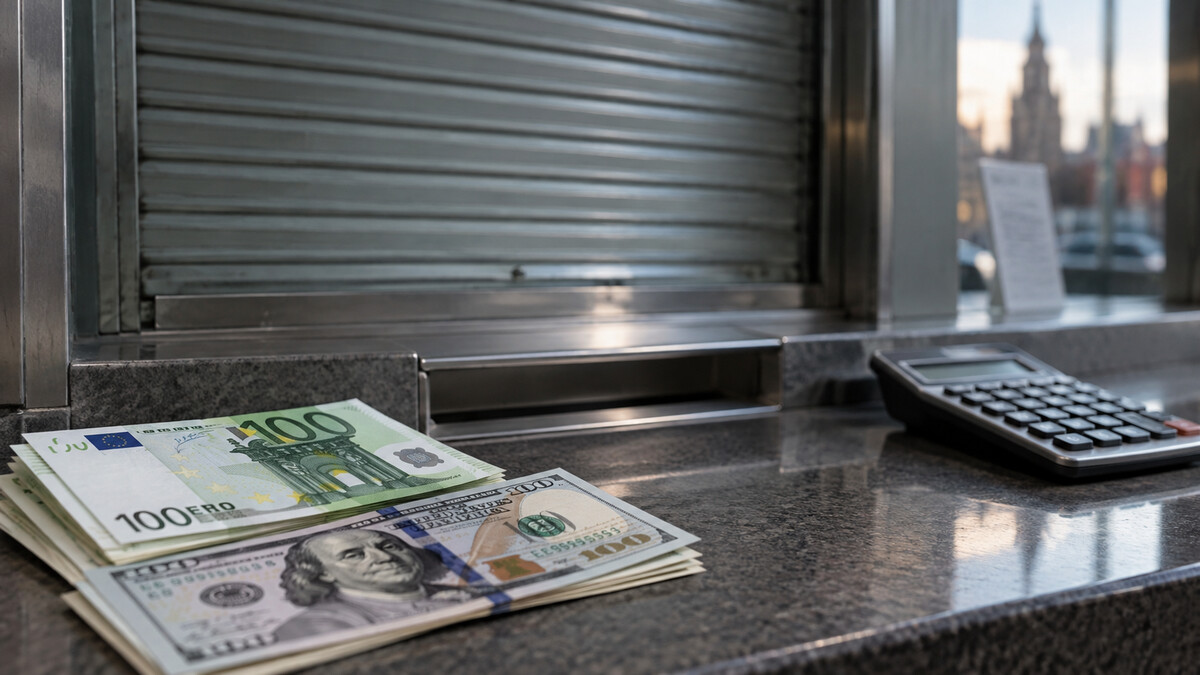
On June 12, 2024, the United States Treasury placed the Moscow Exchange together with its National Clearing Centre (NCC) and National Settlement Depository (NSD) on its blocking sanctions list, and from June 13 the bourse stopped trading currency pairs and derivative instruments settled in dollars and euros. The two infrastructure companies belong to the exchange group; the NSD had already been under EU sanctions since the summer of 2022, while the exchange itself and the NCC had escaped that fate until then, although the group had repeatedly said it was ready for the risk of restrictions to materialise.
What stopped on June 13 - and what kept working
The announcement fell on an official public holiday in Russia, so no trading took place on the day of the sanctions; at the close of June 11 the dollar stood at 89.1 rubles and the euro at 95.62 rubles. The U.S. Treasury issued wind-down licences for operations with the exchange, the NSD and the NCC until August 13, 2024, the same deadline set for exiting the exchange's securities, with unfriendly non-residents able to leave Russian assets only with the government commission's permission. Overnight into June 13 the Bank of Russia added the Hong Kong dollar to the halt and moved the start of the remaining sessions on the currency market, the precious metals market and the currency-settled derivatives market to 9:50 Moscow time.
- Halted: currency pairs with the dollar and the euro, and derivative instruments settled in these two currencies;
- Continuing: trading on the derivatives market in the usual mode, and dollar and euro deals on the over-the-counter market;
- Preserved: all dollar and euro funds on accounts and deposits of citizens and companies under the existing withdrawal regime - up to $10,000 or the euro equivalent for deposits opened before March 9, 2022, and cash dollars, euros, pounds sterling and Japanese yen for resident companies until September 7 only for business-trip expenses.
The official rate moves off-exchange
The regulator explained that it would now set the official "tomorrow" rates using banks' reports and data from digital over-the-counter trading platforms - an alternative procedure the Bank of Russia had designed and adopted back in October 2022 precisely for the case of sanctions against the Moscow Exchange. Until the last moment the official dollar and euro rates were based on volume-weighted data from exchange deals.

A market that had already moved away from the dollar
By the end of 2023 the exchange accounted for less than half of all currency turnover in the country, and the combined share of the dollar and euro in exchange trading had fallen below 50%, ceded to the yuan, Bank of Russia data show. In May 2024 "toxic" currencies made up 45.9% of the exchange segment while the yuan set another record at 53.6%; over the counter, by contrast, the dollar and euro still held 55.4% of turnover against 39.2% for the Chinese currency. In export settlements the share of unfriendly-country currencies fell to 17.8% in the first quarter - the lowest since records began in January 2019 - while the ruble's share reached an all-time high of 44.7%. Systemically important banks, the main agents selling exporters' currency revenue, were net sellers of 671 billion rubles of currency in May, twice the April figure, and households bought 107.4 billion rubles worth of currency on the exchange that month.
Brokers, lawyers, economists
Alfa-Investments and VTB My Investments said their lists of tradable instruments and trading modes were unchanged, though neither broker has access to the dollar and the euro because both banks are themselves sanctioned; Finam does not plan preventive restrictions on other currencies, according to Dmitry Lesnov, head of client service development at the group. Anton Imennov, senior partner at the Pen & Paper law firm, expects dollars and euros to be kept "in paper form at home", noting that negative interest rates have long made currency accounts unprofitable. Roman Khaminsky of BKHK law firm points out that the over-the-counter market will be less advantageous, with wider spreads and a less transparent rate, and allows for routing through friendly currencies such as the yuan or the dirham. Alexander Nektorov, partner at NSP, warns that unblocking securities in Euroclear and Clearstream will now additionally require a licence from OFAC, the U.S. Treasury office responsible for sanctions compliance. Oleg Kuzmin, chief economist at Renaissance Capital, expects the ruble to be slightly weaker over the next couple of days, with currency demand then easing as extra frictions and costs appear.
The group had prepared since 2022
The NCC, which performs clearing and central counterparty functions and holds correspondent accounts in each currency, stopped accepting euros and dollars as collateral at the end of August 2022 and that summer sent market participants a letter describing possible actions if sanctions limited trading in one or several foreign currencies. In early November 2023 blocking U.S. sanctions hit the SPB Exchange, making trading in U.S. securities there impossible; commenting on that event, Bank of Russia Governor Elvira Nabiullina said the regulator was assessing the risk of sanctions against the Moscow Exchange and knew what measures to take. In December 2023 the group's representative Igor Marich said the exchange had done its work with the market and had prepared participants for the sanctions scenario as much as possible.
The full analysis by Ekaterina Litova was published by Vedomosti on June 12, 2024.
Latest Reports
Ancient Fortresses and Museums of Western Uzbekistan
Qatar LNG expansion: readiness, financing and the production test

Tianwan 7: first electricity and commissioning

Genentech breaks ground on its Hillsboro expansion
RZD changes return fees for tickets purchased from December

Why available capital does not close every defence supply gap
Partner reports
 Ageas agrees Esure acquisition to widen UK insurance distribution
 Uzbekistan’s Western Rail Corridor and the Journey to Khiva
 Imam al-Bukhari’s Heritage and Samarkand’s Pilgrimage Landscape
 Nilu and Sangardak: Village Tourism in Surkhandarya
 One Day in Kasri Orifon: Bukhara’s Pilgrimage Village
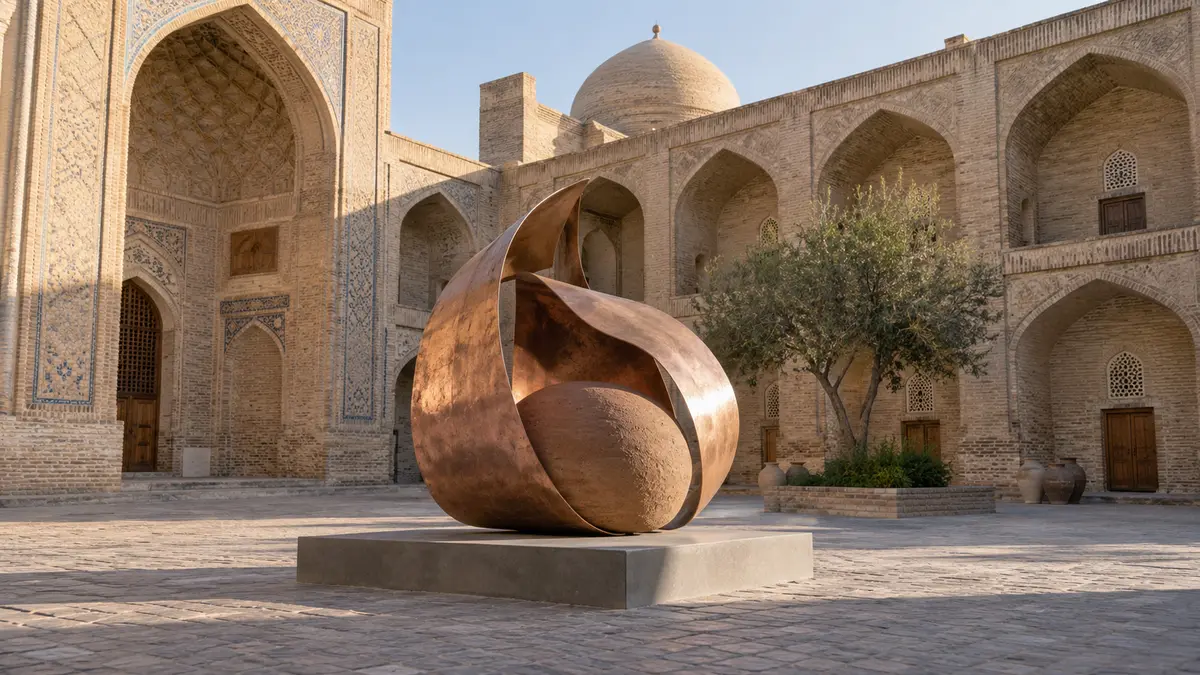 Bukhara’s Biennale: Contemporary Art in Historic Spaces
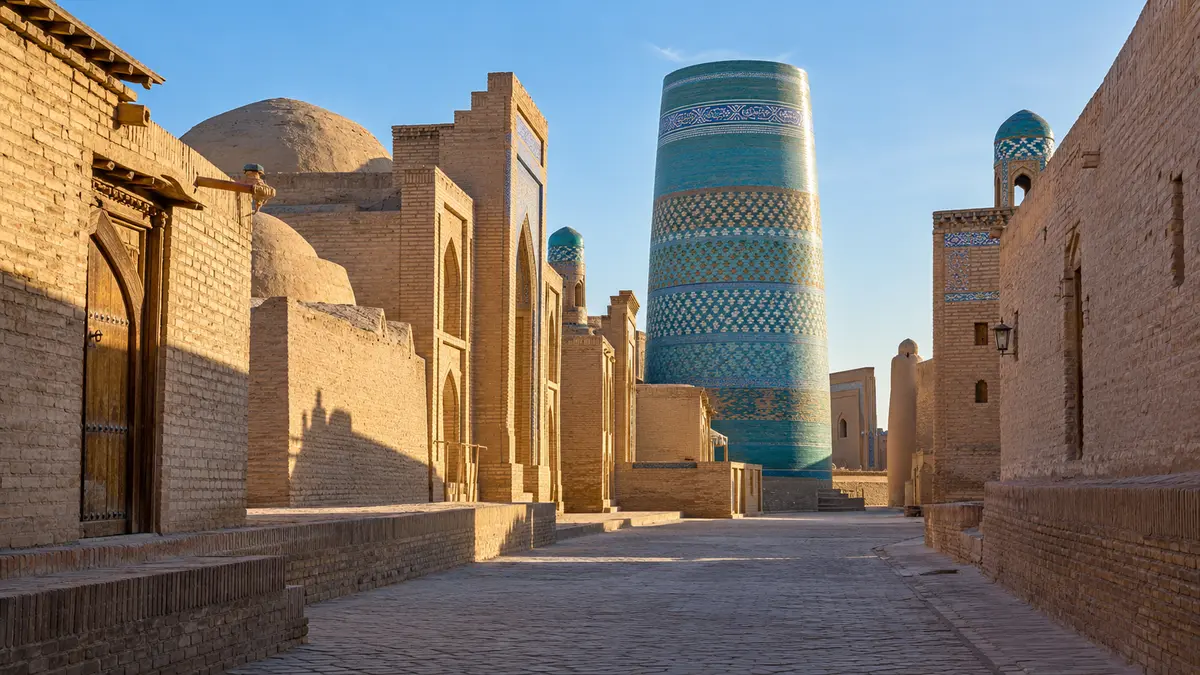 Khiva’s Walled City: Architecture, Palaces and Living Traditions
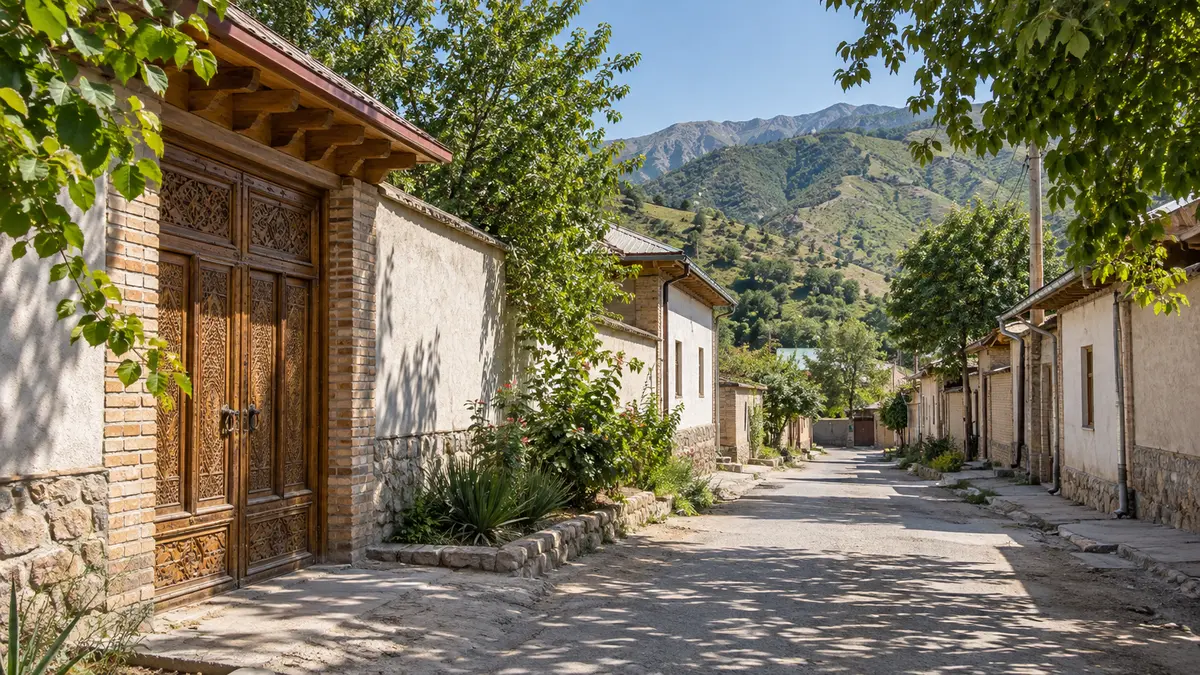 Parkent’s Chashma Village: Folk Traditions Near Tashkent
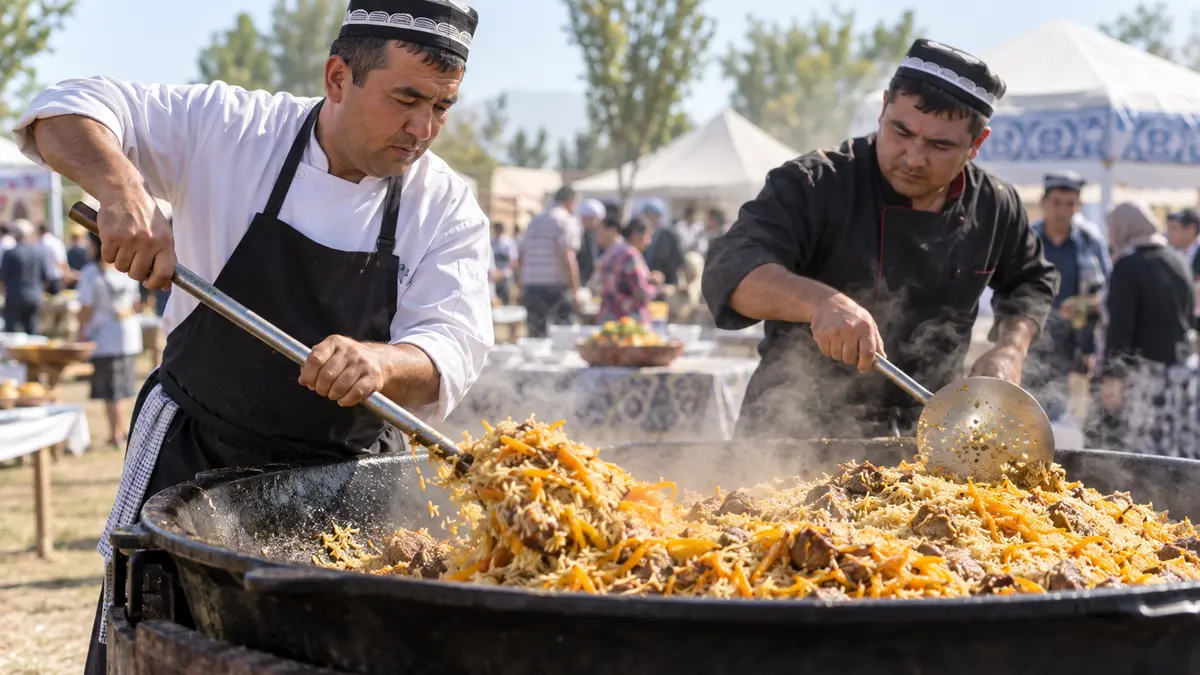 Uzbek Food and Cultural Traditions: From London’s Festival to Regional Tables
 Tashkent’s Museums, Mahallas and New Cultural Spaces
 Uzbekistan's Tourism Expansion: Heritage Cities, Living Crafts and Regional Routes
 Ancient Fortresses and Museums of Western Uzbekistan
 LH Marthinusen opens R32 million Germiston fan factory
 Rishtan’s Craft Neighbourhood and the Fergana Valley
Leave a comment