
Bank of Canada Holds Its Key Rate at 2.25% for a Seventh Time as Trade War and Oil Keep Inflation at 3%
The central bank of Canada left its key interest rate unchanged at 2.25% on September 2, 2026, holding for the seventh consecutive meeting exactly as economists had expected. The Bank of Canada said recent data reaffirm a "broadening recovery", but warned that the risks of higher and persistent inflation have increased: the war in Iran keeps energy prices elevated, while new United States tariffs and Canadian counter-measures add cost pressure after trade talks broke down. Financial Post reported the decision and the governor’s remarks on September 2, 2026.
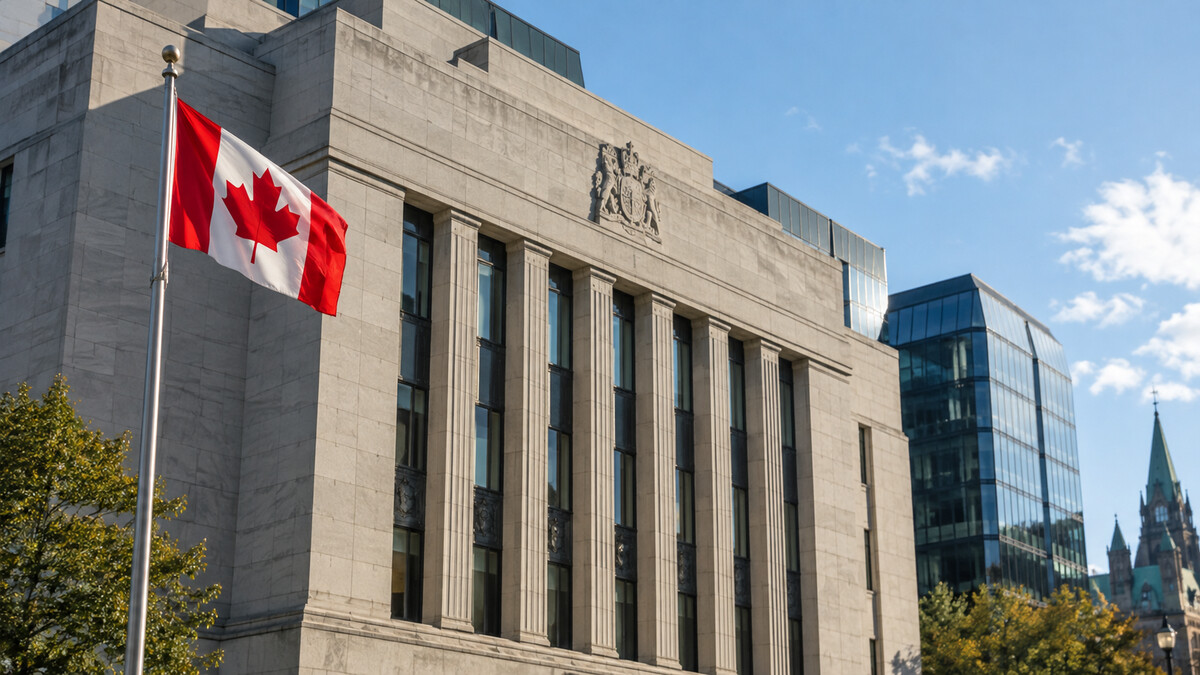
What the September 2 decision left in place
The overnight rate target stays at 2.25%, with the Bank Rate at 2.5% and the deposit rate at 2.20%. The official statement, republished the same day, described second-quarter GDP growth of 3.3% at an annual rate after a very weak first quarter, a broad-based pick-up in activity, solid consumption gains, a rebound in housing after several weak quarters and sharply higher exports and business investment. The unemployment rate edged down to 6.4% in July, yet labour demand remains subdued and indicators still point to excess supply in the economy.
Three forces keeping inflation above the 2% target
- Energy: CPI inflation has hovered around 3% in recent months, mainly on persistently higher gasoline prices, and little progress in reopening the Strait of Hormuz keeps crude prices and refinery margins elevated.
- Trade: new U.S. Section 338 tariffs and Canadian counter-tariffs raise costs for some businesses and could feed into consumer prices over time.
- Spillover risk: excluding gasoline, inflation was 2.2% and core measures stayed close to 2% in July, but the longer high energy prices persist, the greater the risk they spread into other goods and services.
Macklem: "Inflation is running at three per cent. That’s too high"
Governor Tiff Macklem stressed that "there is still slack in the economy and the new American trade actions have increased uncertainty about how sustainable that rebound is". He argued the economy is in a stronger position than when the first round of U.S. tariffs landed in March 2025: businesses are adapting, exports have rebounded and business investment has improved over the last year. The bank remains committed to its 2% target and to being a "source of stability", but offered no guidance on future cuts or hikes.
Markets price hikes, not cuts
Overnight index swaps put roughly a 60% chance on a Bank of Canada hike at the October 28 meeting, up from about 30% at the start of September though below a monthly peak near 75%, while a December hike is fully priced in. The Canadian pause now stands against a global tightening turn: five major central banks have hiked in 2026, including the U.S. Federal Reserve to 3.75%-4% in September, the European Central Bank in June and September, the Bank of Japan from 1% to 1.25% and the Reserve Bank of Australia three times, with another move expected on September 29. The statement noted that growth in China slowed in the second quarter while U.S. growth stayed solid and the euro area beat expectations. The full official statement sets out the Governing Council’s reasoning, and a September 24, 2026 market review tracks how rate markets have correctly called central bank moves this year.
Macklem pushed back against external pressure in Halifax: "We can run a monetary policy in Canada that is geared to the situation in Canada, and that’s what we’re going to keep doing." Ottawa’s Office of the Parliamentary Budget Officer projected in June that the bank would hold through 2026 and lift the rate gradually to 2.75% by the end of 2027 - a path markets now expect to arrive sooner.
What to watch before October 28
- Monthly CPI prints and whether gasoline costs start spreading into core inflation.
- Progress on reopening the Strait of Hormuz and the direction of crude prices.
- Any escalation of U.S.-Canada tariff measures after the breakdown of trade talks.

Latest Reports
Ancient Fortresses and Museums of Western Uzbekistan

Qatar LNG expansion: readiness, financing and the production test
Tianwan 7: first electricity and commissioning

Genentech breaks ground on its Hillsboro expansion
RZD changes return fees for tickets purchased from December

Why available capital does not close every defence supply gap
Partner reports
 Ageas agrees Esure acquisition to widen UK insurance distribution
 Uzbekistan’s Western Rail Corridor and the Journey to Khiva
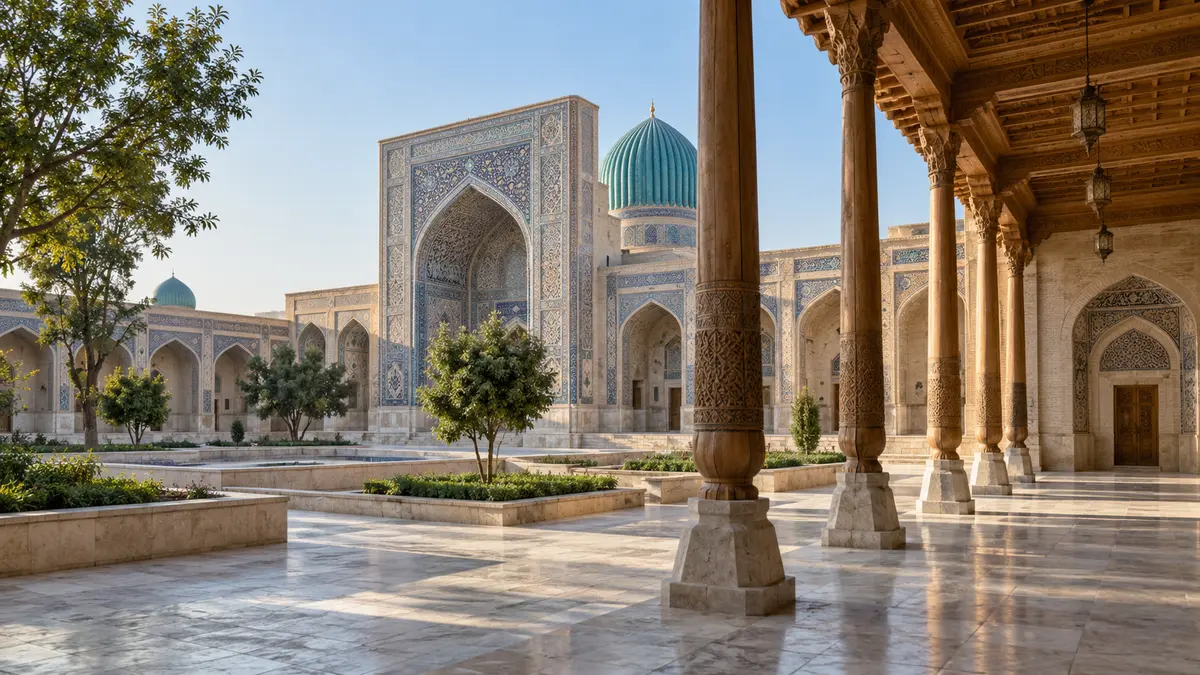 Imam al-Bukhari’s Heritage and Samarkand’s Pilgrimage Landscape
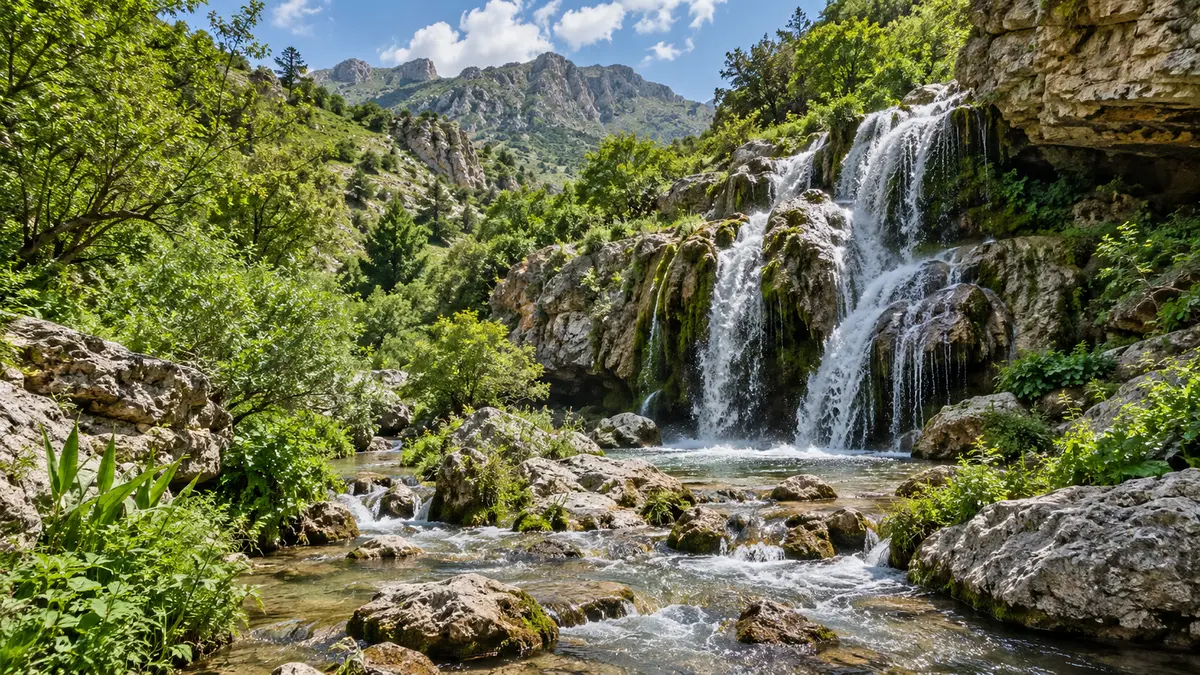 Nilu and Sangardak: Village Tourism in Surkhandarya
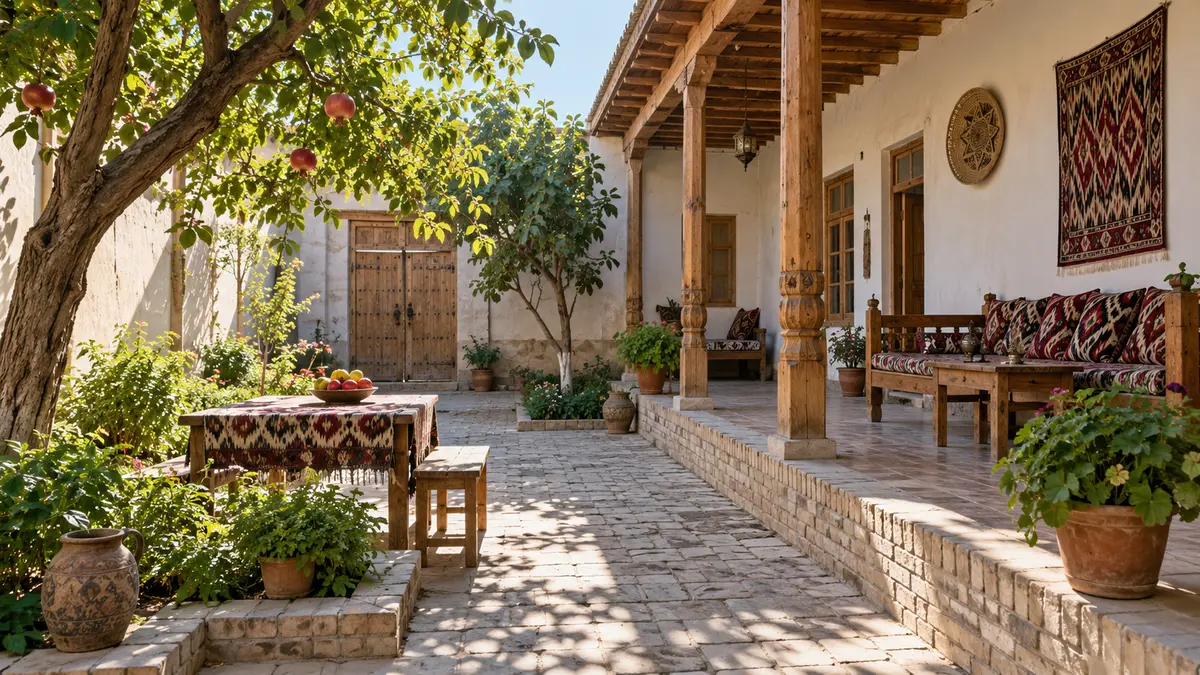 One Day in Kasri Orifon: Bukhara’s Pilgrimage Village
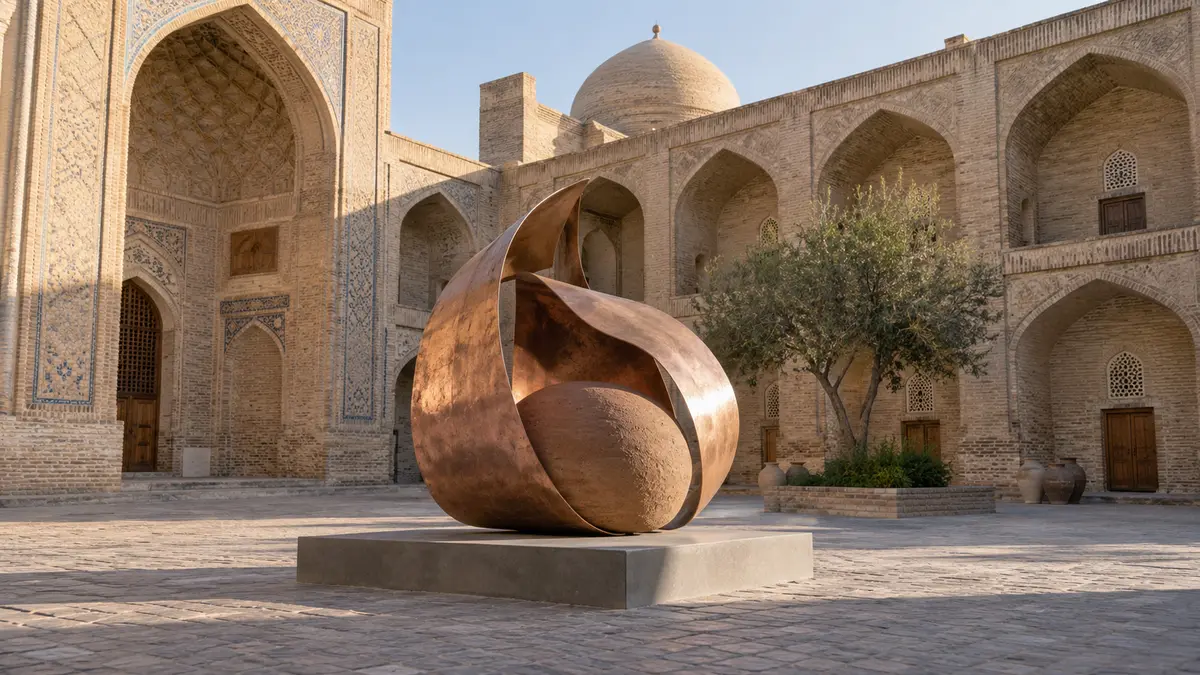 Bukhara’s Biennale: Contemporary Art in Historic Spaces
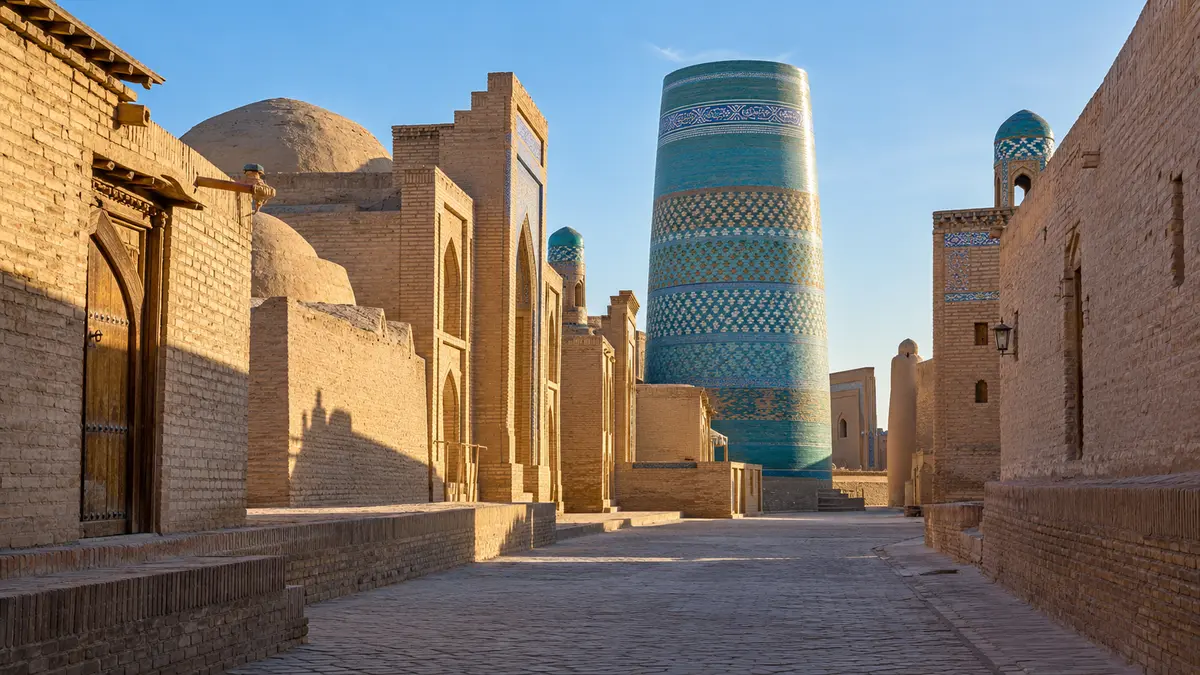 Khiva’s Walled City: Architecture, Palaces and Living Traditions
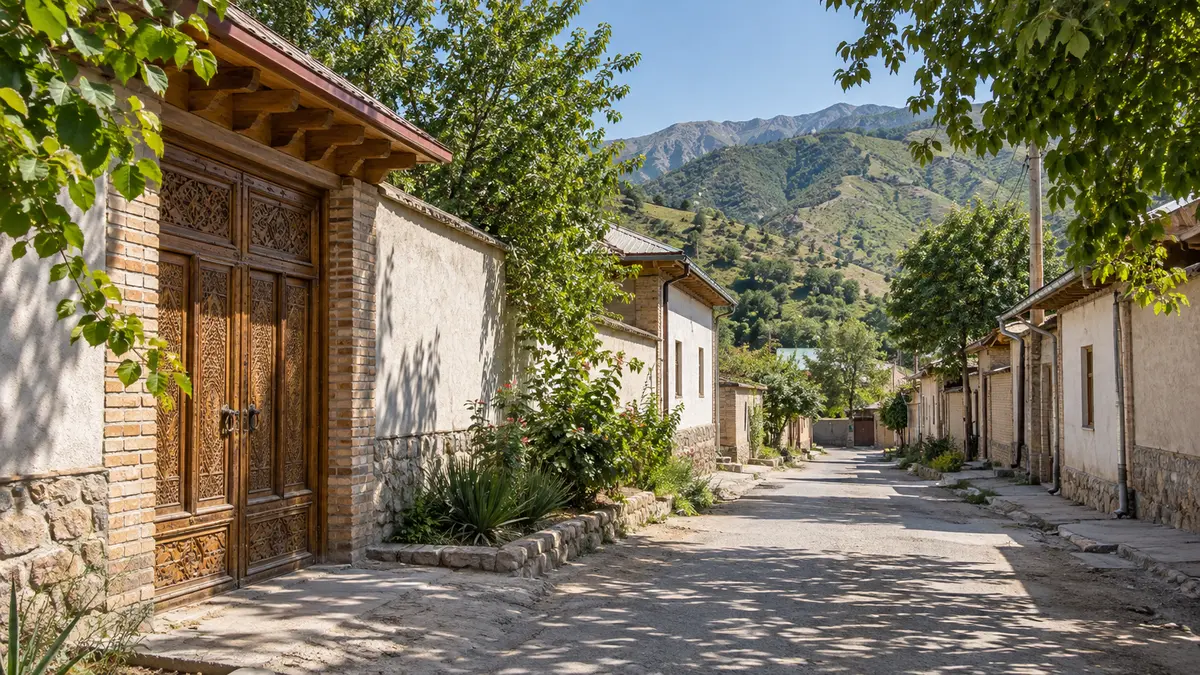 Parkent’s Chashma Village: Folk Traditions Near Tashkent
 Uzbek Food and Cultural Traditions: From London’s Festival to Regional Tables
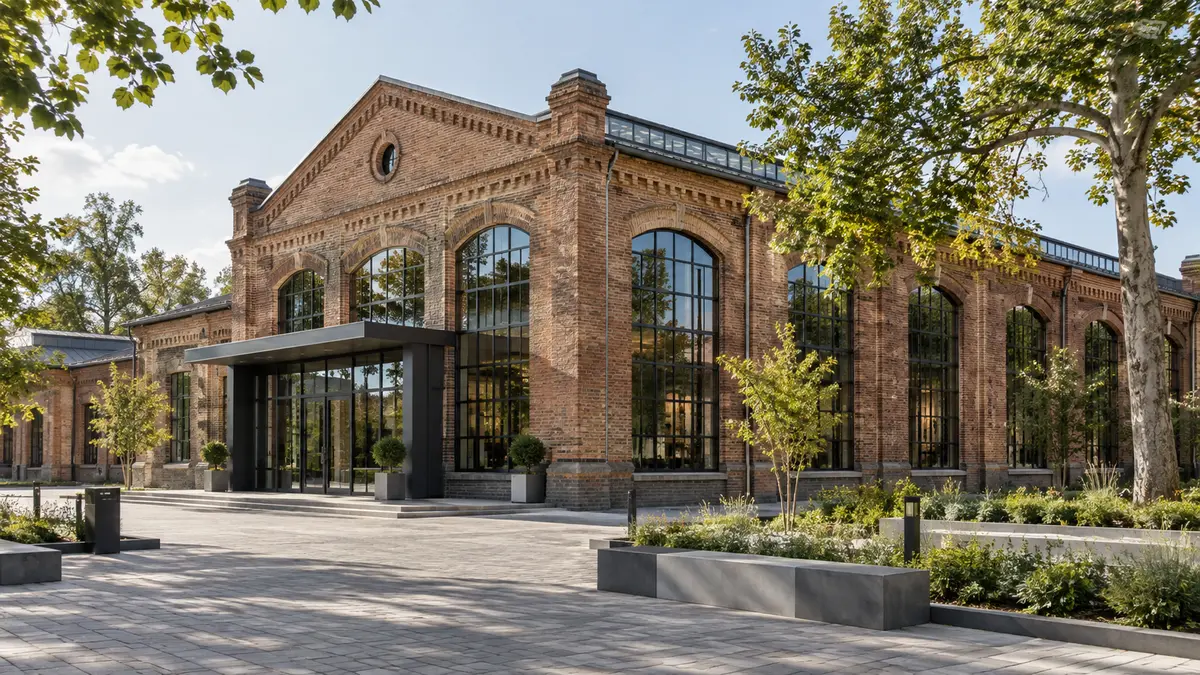 Tashkent’s Museums, Mahallas and New Cultural Spaces
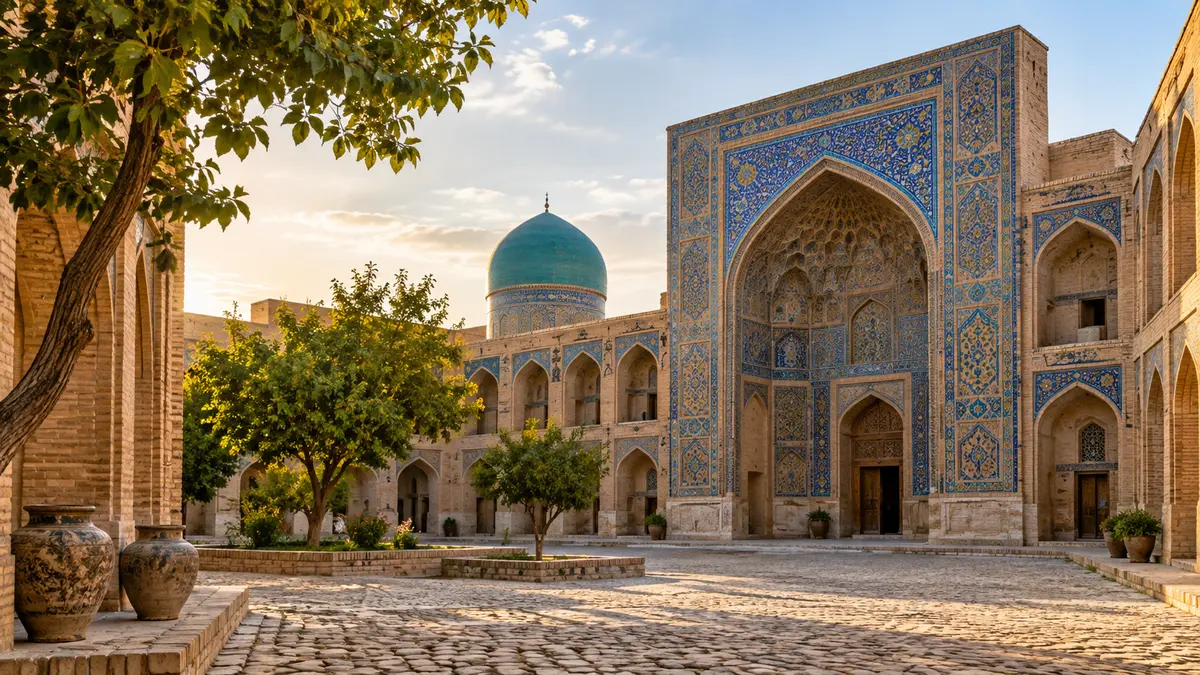 Uzbekistan's Tourism Expansion: Heritage Cities, Living Crafts and Regional Routes
 Ancient Fortresses and Museums of Western Uzbekistan
 LH Marthinusen opens R32 million Germiston fan factory
 Rishtan’s Craft Neighbourhood and the Fergana Valley
Leave a comment