
Slower but Real: Russian Wages Add 5.1% in June as First-Half Growth Cools to 4.1%
Real wages in Russia grew 5.1% year on year in June 2025 — the fastest pace since the start of spring — while the first-half gain stayed well below last year's overheated trajectory, according to Rosstat data reported by Kommersant. The June reading beat both May and April, and nominal pay crossed the 103,000-rouble mark.

The monthly rhythm of 2025: a spring stall and a June rebound
Rosstat's series shows a volatile first half. Real wage growth — the same pay adjusted for inflation — started the year strong, nearly stalled in March and then recovered month by month:
- January — +6.5% year on year;
- February — +3.2%;
- March — +0.1%, the low point of the series;
- April — +4.6%;
- May — +4.2%;
- June — +5.1%, the best reading since spring.
For January–June as a whole, real wages rose 4.1% against the same period of 2024. The contrast with the previous two years is stark: for the whole of 2024 the real average wage grew 9.7%, and in 2023 it added 8.2%. In other words, the labour-income boom of 2023–2024 has normalised to roughly half its former speed.
Nominal pay crosses 103,000 roubles
The average monthly nominal wage in June 2025 reached 103,183 roubles (about 103.2 thousand), 15.0% above the level of June 2024, as Interfax reported from the same Rosstat release. The gap between the 15.0% nominal rise and the 5.1% real rise is the measure of how much of the pay increase prices absorbed over the year.

Two forecasts, two speeds
The official and the market view of the year ahead diverge. The Ministry of Economic Development's April forecast expects real wages to grow 6.8% in 2025 and 5.7% in 2026. The consensus of analysts polled in early August is markedly more cautious: 3.5% and 2.9% respectively. The first-half result of 4.1% sits between the two benchmarks and closer to the consensus, leaving the second half to decide which trajectory the year will land on.
Why real growth is visible again
The recovery in real terms combines two forces named in the Rosstat coverage: pay rises in a number of industries and moderate inflation, which makes the same nominal increase more noticeable after price adjustment. When inflation cools, a smaller nominal raise still translates into purchasing-power gains.
What the slowdown signals
June's 5.1% is positive momentum for the second half, but the first-half average of 4.1% confirms that the extraordinary wage race of 2023–2024 has ended. For households the practical question is whether nominal growth keeps outrunning prices; for the economy, wage dynamics remain one of the few domestic demand drivers still expanding — just at a calmer, more sustainable speed.
Latest Reports

Ancient Fortresses and Museums of Western Uzbekistan

Qatar LNG expansion: readiness, financing and the production test
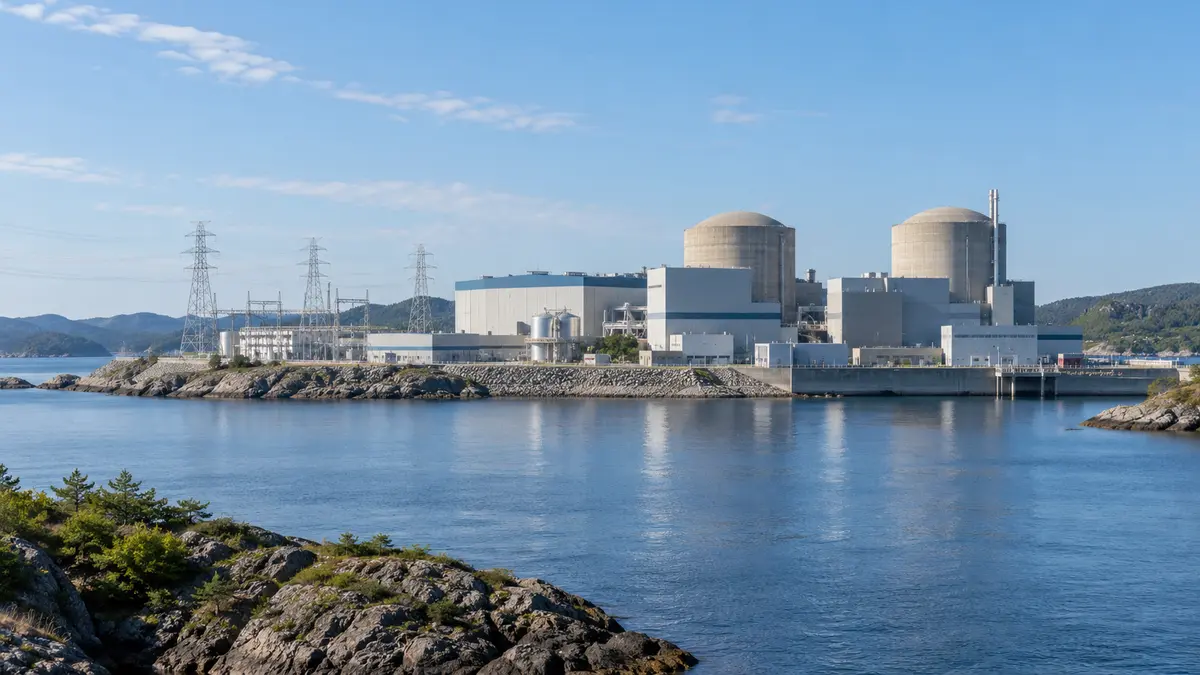
Tianwan 7: first electricity and commissioning
Genentech breaks ground on its Hillsboro expansion
RZD changes return fees for tickets purchased from December
Why available capital does not close every defence supply gap
Partner reports
 Ageas agrees Esure acquisition to widen UK insurance distribution
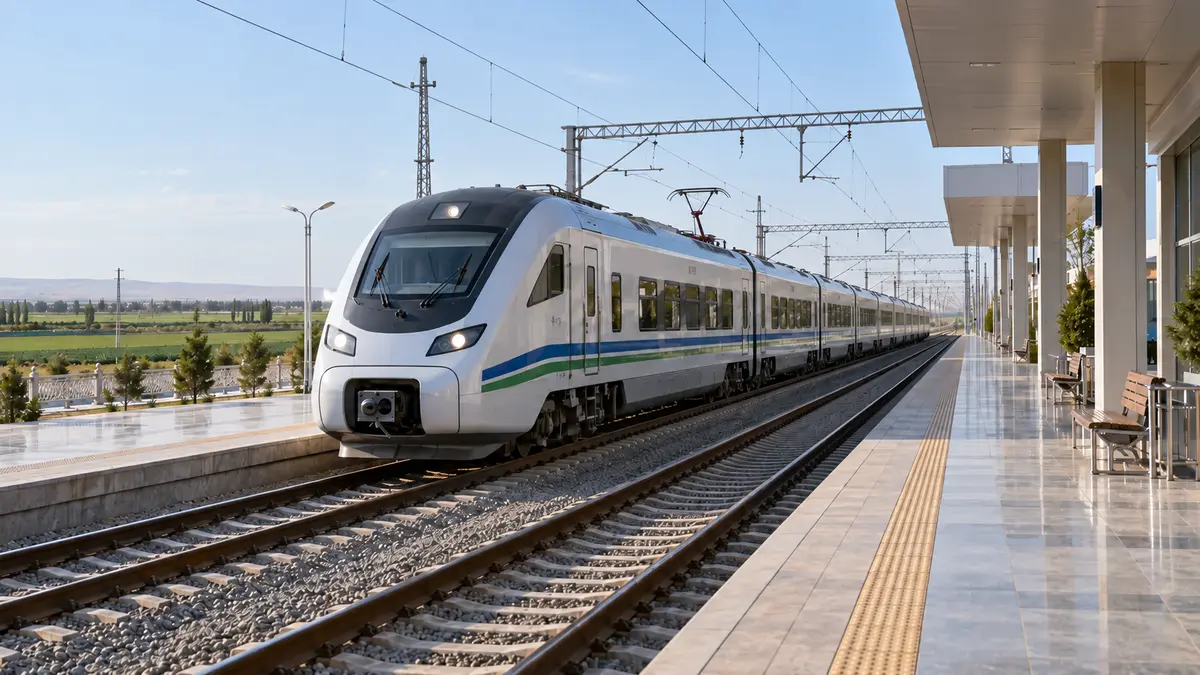 Uzbekistan’s Western Rail Corridor and the Journey to Khiva
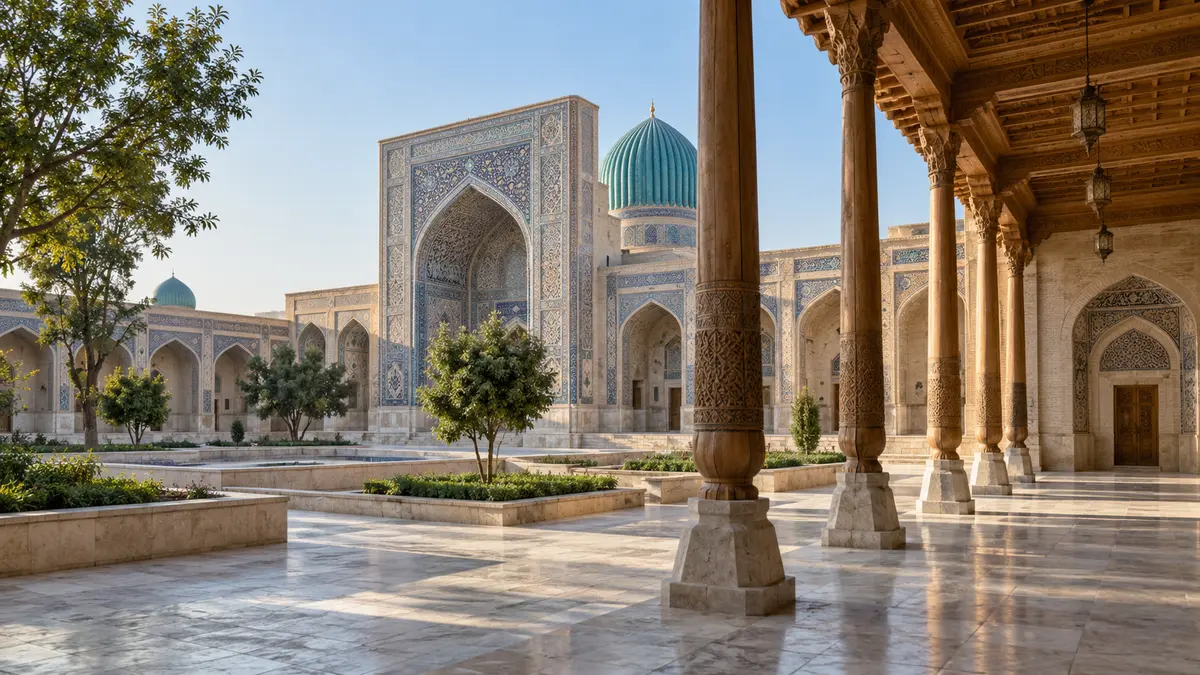 Imam al-Bukhari’s Heritage and Samarkand’s Pilgrimage Landscape
 Nilu and Sangardak: Village Tourism in Surkhandarya
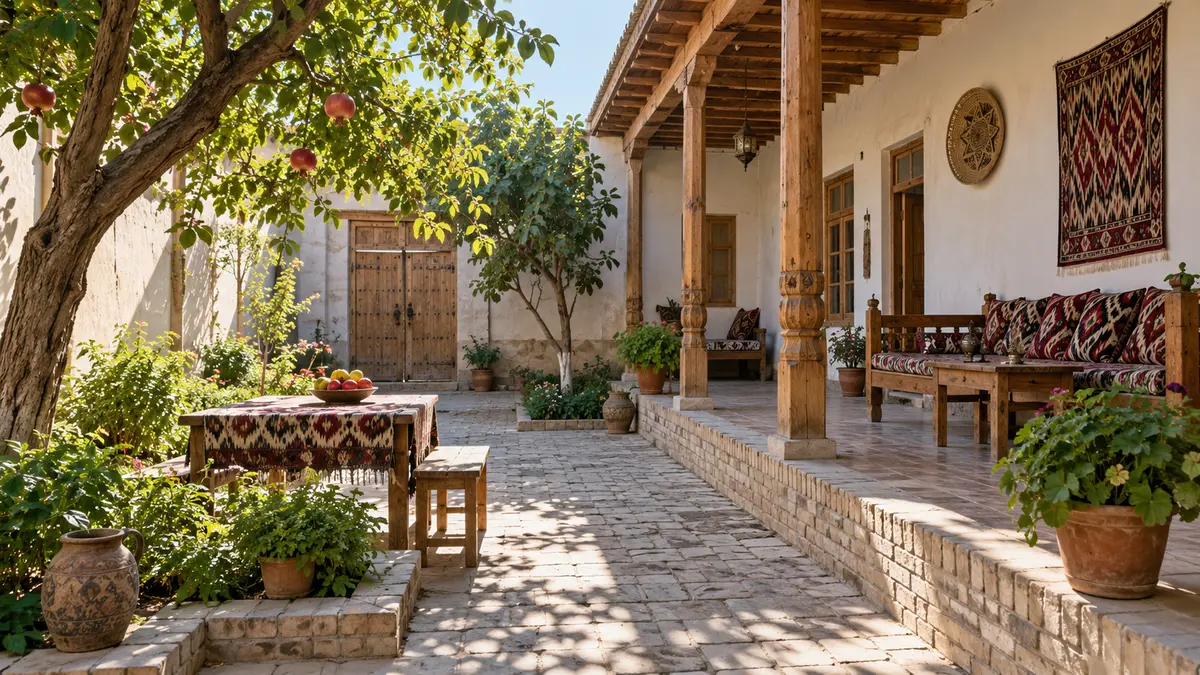 One Day in Kasri Orifon: Bukhara’s Pilgrimage Village
 Bukhara’s Biennale: Contemporary Art in Historic Spaces
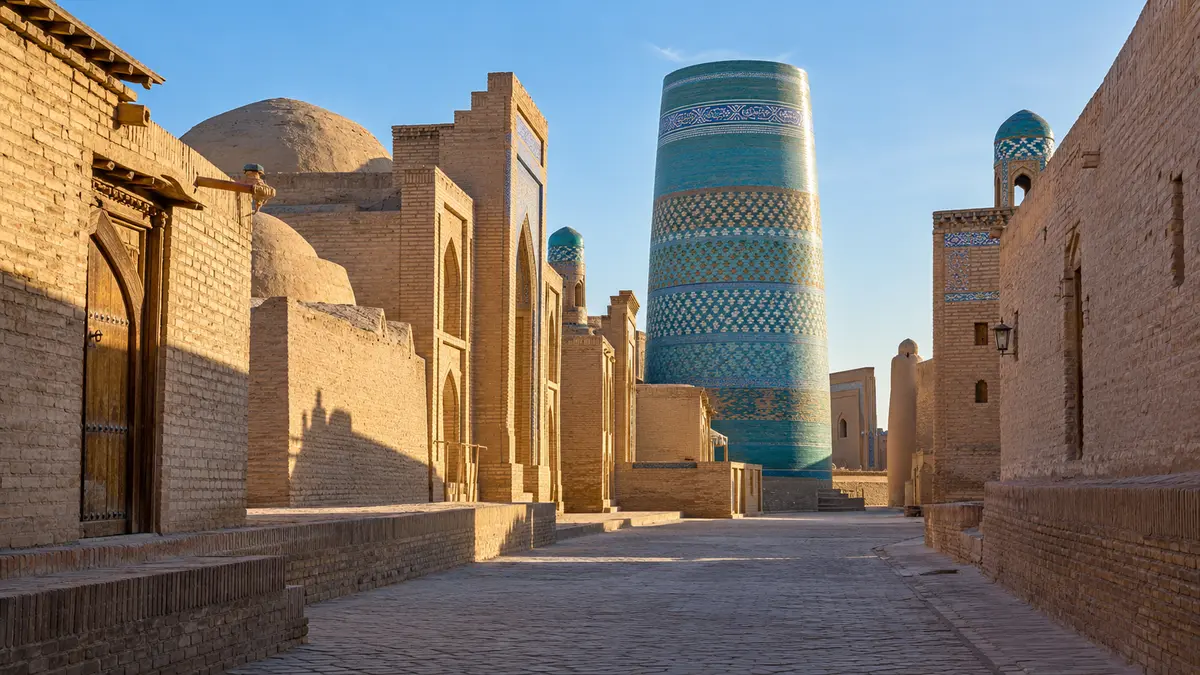 Khiva’s Walled City: Architecture, Palaces and Living Traditions
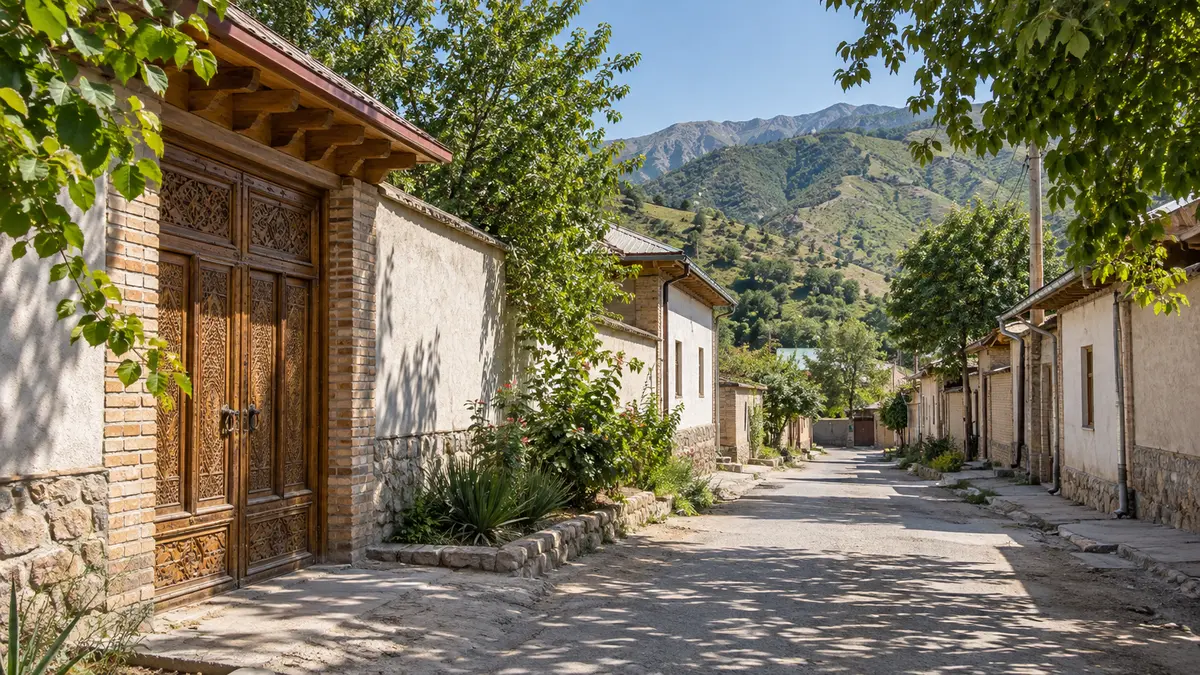 Parkent’s Chashma Village: Folk Traditions Near Tashkent
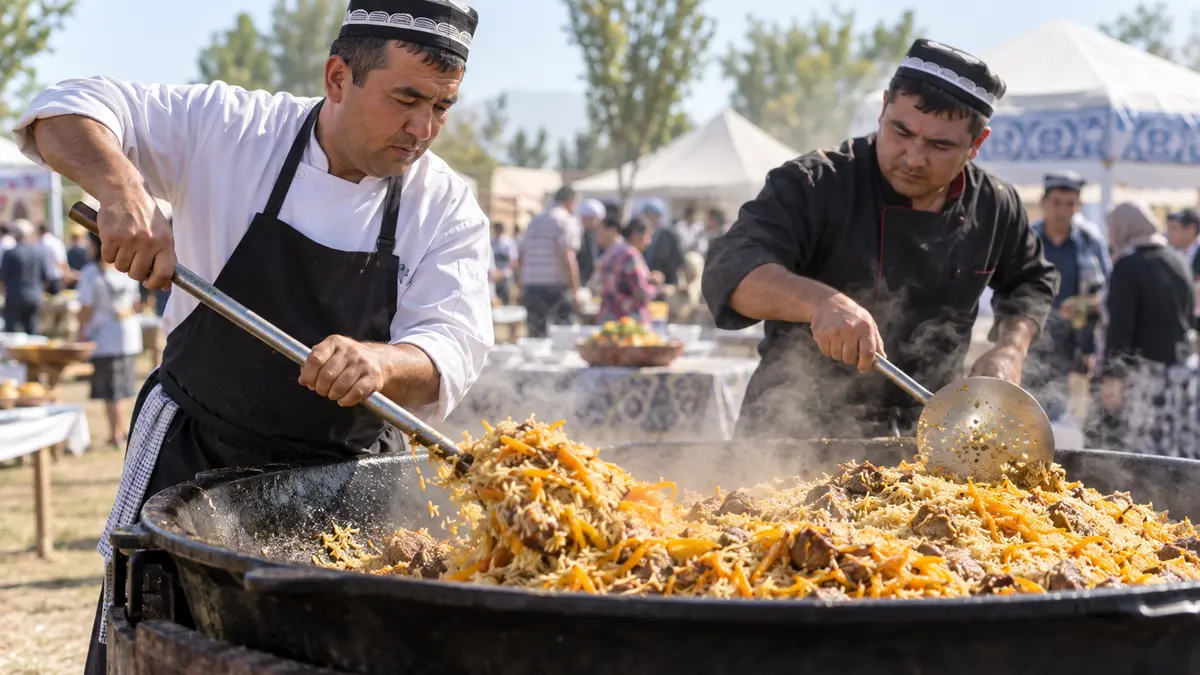 Uzbek Food and Cultural Traditions: From London’s Festival to Regional Tables
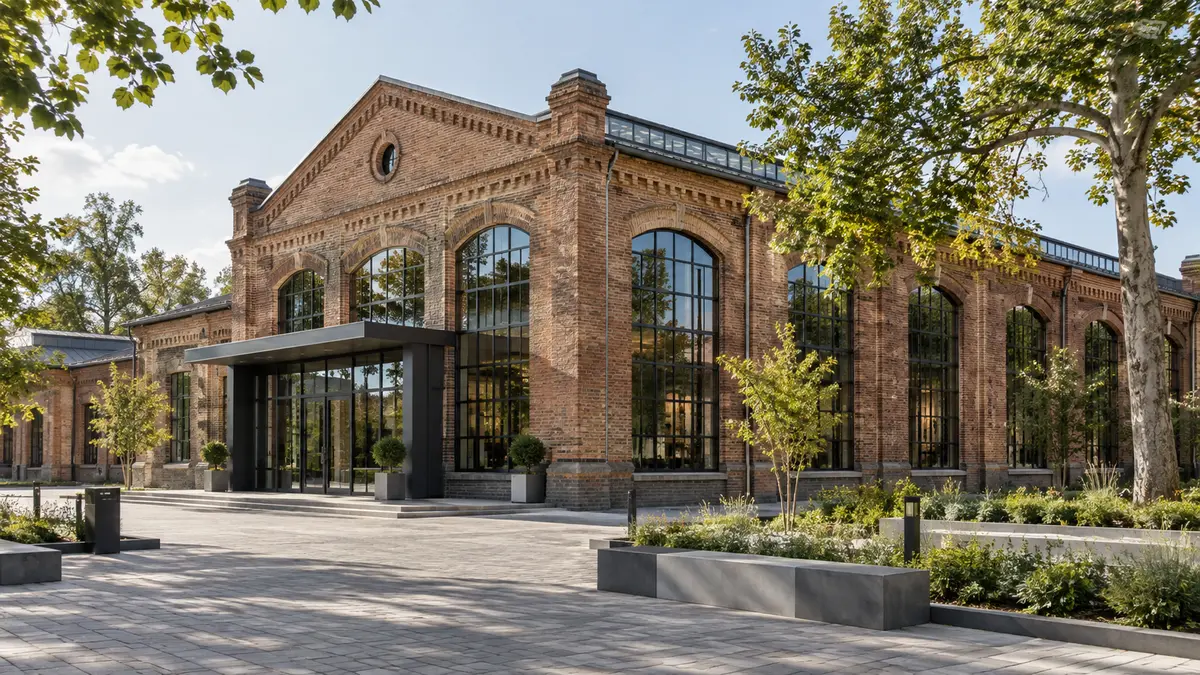 Tashkent’s Museums, Mahallas and New Cultural Spaces
 Uzbekistan's Tourism Expansion: Heritage Cities, Living Crafts and Regional Routes
 Ancient Fortresses and Museums of Western Uzbekistan
 LH Marthinusen opens R32 million Germiston fan factory
 Rishtan’s Craft Neighbourhood and the Fergana Valley
Leave a comment