
Russia Lifts 2026 GDP Growth Forecast to 0.6% and Keeps Path to 2.4% by 2029
Russia has raised its baseline forecast for 2026 GDP growth to 0.6% from the 0.4% assumed in the May version of the macro forecast, Economic Development Minister Maxim Reshetnikov said at a government meeting on September 24, 2026. The growth path for the following three years is unchanged: 1.4% in 2027, 1.9% in 2028 and 2.4% in 2029 - the ministry expects the economy to reaccelerate gradually after the near-stagnation of the current year.
"On the whole, the forecast remains moderately conservative. The external price environment may turn out better than our expectations," Reshetnikov said, as reported by Interfax. At the same time he acknowledged that risks remain which "may lead to temporary deviations from the forecast growth trajectory," and said economic policy must focus on increasing the flexibility and resilience of the economy and on restarting the investment cycle.
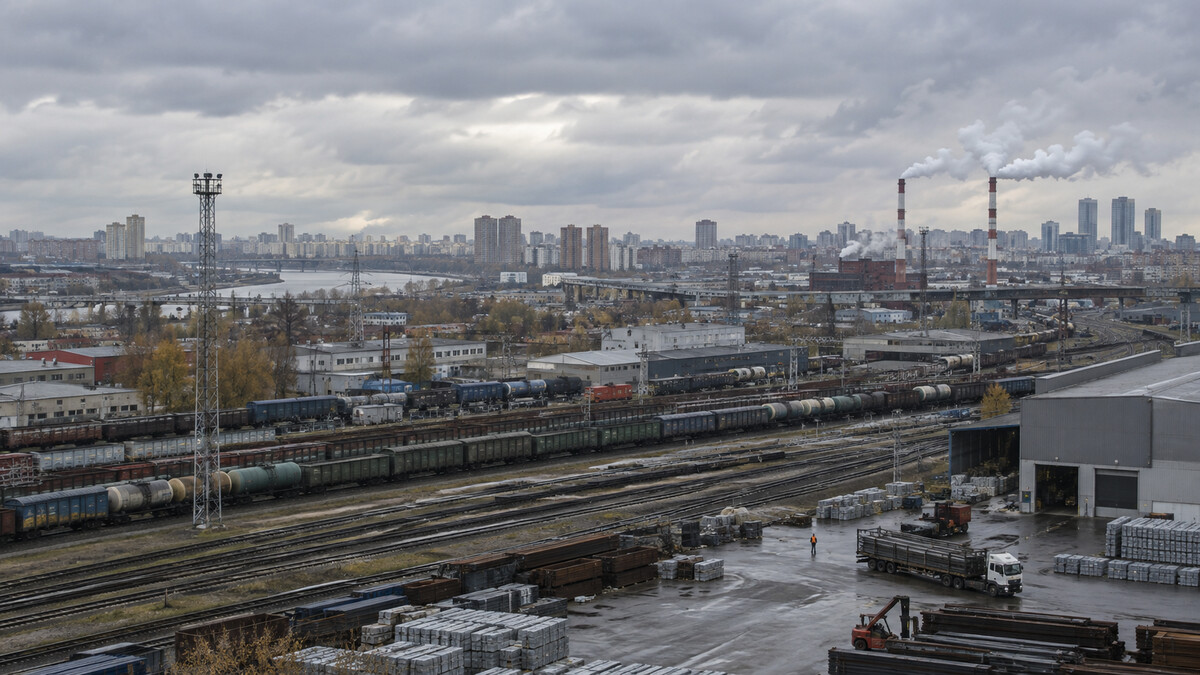
Baseline trajectory: 0.6% this year, 2.4% by 2029
The revised baseline scenario keeps the shape of the May version while lifting the current-year estimate. The ministry's annual path of GDP growth now reads:
- 2026 - 0.6% (raised from 0.4% in the May version);
- 2027 - 1.4% (unchanged);
- 2028 - 1.9%;
- 2029 - 2.4%.
Reshetnikov framed the budget framework presented to the government as one that "creates space for easing monetary conditions and restoring investment activity," but stressed that this is a "necessary, as mathematicians say, but not sufficient condition" for sustainable growth: active structural changes must be implemented. A day after his remarks, on September 25, the Cabinet approved the draft federal budget for 2027 and the planning period of 2028-2029, targeting a deficit of about 2% of GDP annually, including 2.2% in 2027, with spending of 48.8 trillion rubles against revenues of 43.3 trillion rubles in 2027, according to Interfax's coverage of the budget approval. Finance Minister Anton Siluanov said the budget is "resilient to various scenarios": the base price for Urals oil is set at $50 per barrel for three years, and under a more favourable situation the National Wealth Fund will be topped up.
External assumptions: cheaper oil, a weaker ruble from 2027
The ministry's external assumptions remain conservative. Brent is set at $73 per barrel in 2027 with a decline to $66 by 2029; futures quotes for the same grade are currently substantially higher but volatile and largely reflect the situation around the Arabian Peninsula, Reshetnikov noted. The Urals forecast was raised less - by $1-$3 - on the assumption of a wider discount to Brent: $53 per barrel in 2027 and $51 by 2029, only slightly above the $50 cut-off price established from 2027.
- oil production: 494 million tonnes in 2026, recovering to 500 million tonnes in 2027 and 505 million tonnes in 2028-2029;
- gas: a reduction in supplies to the EU, a smoother increase in supplies to China and restrictions on LNG, primarily on the Arctic LNG 2 project due to sanctions;
- exchange rate: an average of 79.5 rubles per dollar in 2026 due to a stronger ruble in the second and third quarters, with a gradual weakening assumed for 2027-2029.

Consumption, incomes and inflation
Consumer demand remains the backbone of growth. The ministry expects a substantial increase of 4.1% this year, supported by growth in household incomes - primarily labour and entrepreneurial income - and by the fulfilment of all social obligations. Real monetary incomes are forecast to grow 0.8% in 2026 and 1.5% in 2027, accelerating to 2.8% by 2029.
Inflation is estimated at 6.8% at the end of 2026 and is expected to return to 4% by the end of 2027, in line with the assumption of the Bank of Russia.
Investment restart and the labour constraint
The investment forecast takes into account the higher trajectory of the key rate in the central bank's forecast. The recovery of investment begins in 2027 with small growth of 0.2%, accelerating to 2.5% in 2028 and 3% in 2029. The contribution of net exports to GDP growth over the three-year horizon is expected to be small but positive - on average about 0.2 percentage points per year.
What the ministry says a new investment cycle needs
- financial rehabilitation of companies;
- concentration of support on priorities based on a taxonomy of projects;
- increased mutual responsibility of investors and consumers of services through long-term contracts with mutual obligations;
- expansion of sources of financing.
In sectoral terms, growth will be driven by industries oriented toward domestic demand, primarily manufacturing with growth of around 3.5% per year. The fastest growth is expected in pharmaceuticals and mechanical engineering - including railway and aircraft manufacturing - and in electronics production; tourism, IT and agriculture will also grow more rapidly than the economy as a whole.
The labour market remains a constraint: unemployment is projected to stay at a very low 2.3% in 2027-2029. To ease it, Reshetnikov said, programs to improve the quality of education, retrain workers, introduce technologies and change the organisation of labour will continue in order to raise productivity.
Latest Reports
Ancient Fortresses and Museums of Western Uzbekistan
Qatar LNG expansion: readiness, financing and the production test
Tianwan 7: first electricity and commissioning
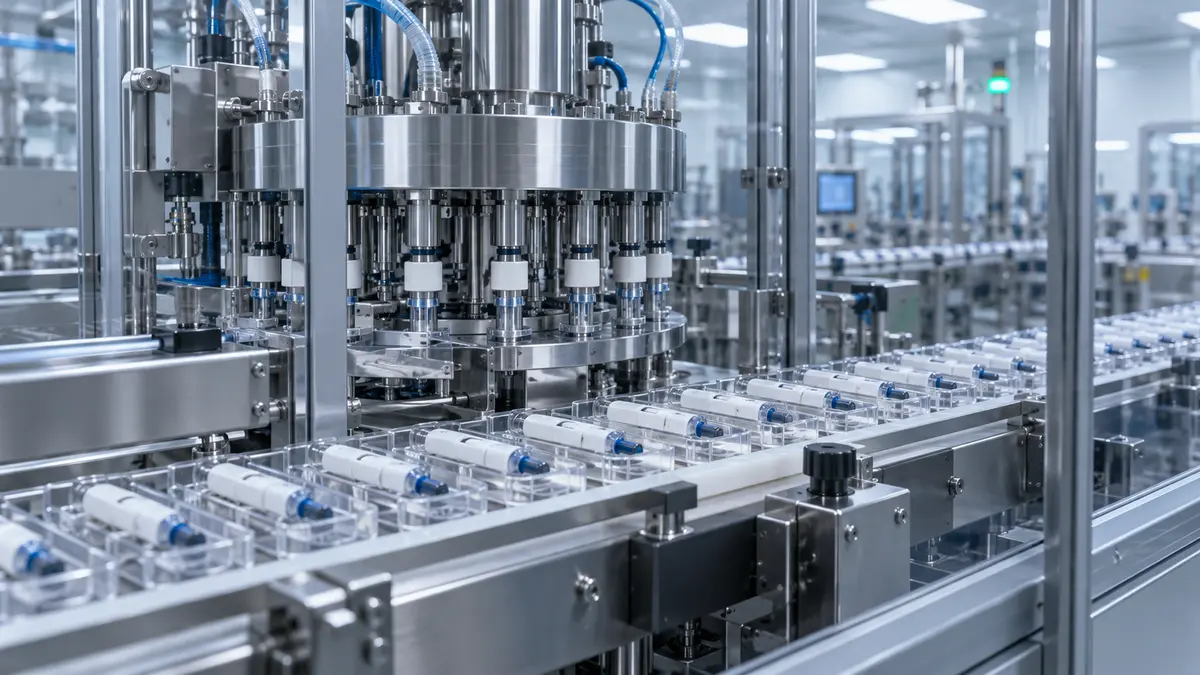
Genentech breaks ground on its Hillsboro expansion
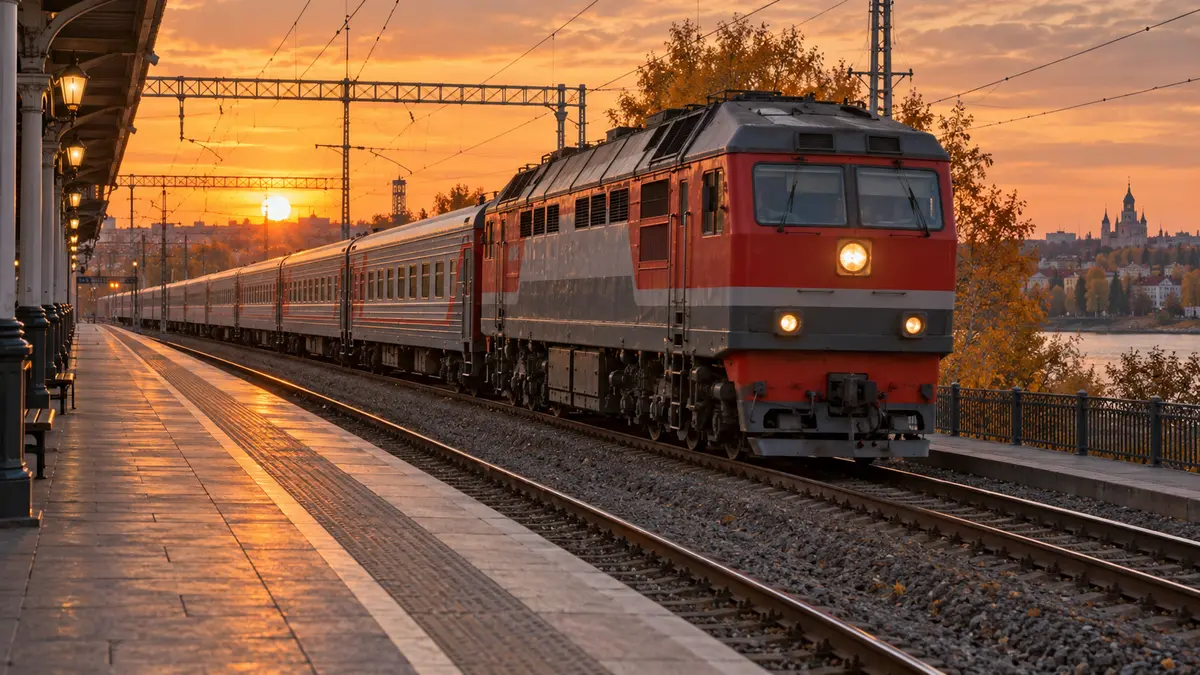
RZD changes return fees for tickets purchased from December
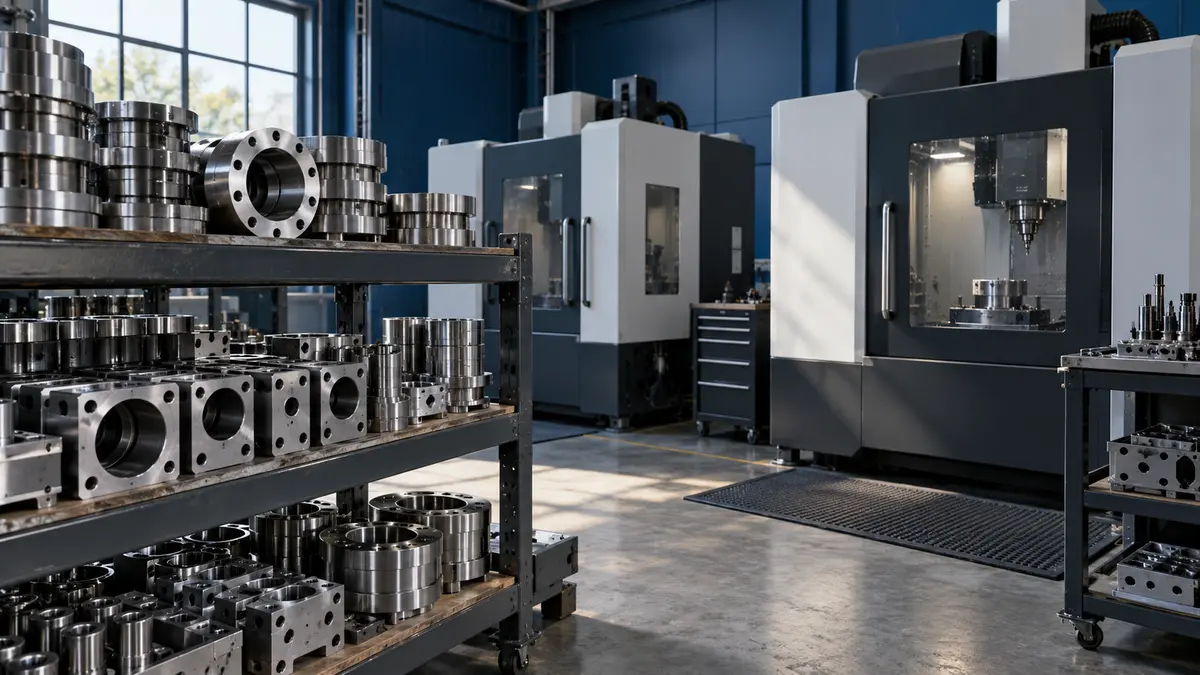
Why available capital does not close every defence supply gap
Partner reports
 Ageas agrees Esure acquisition to widen UK insurance distribution
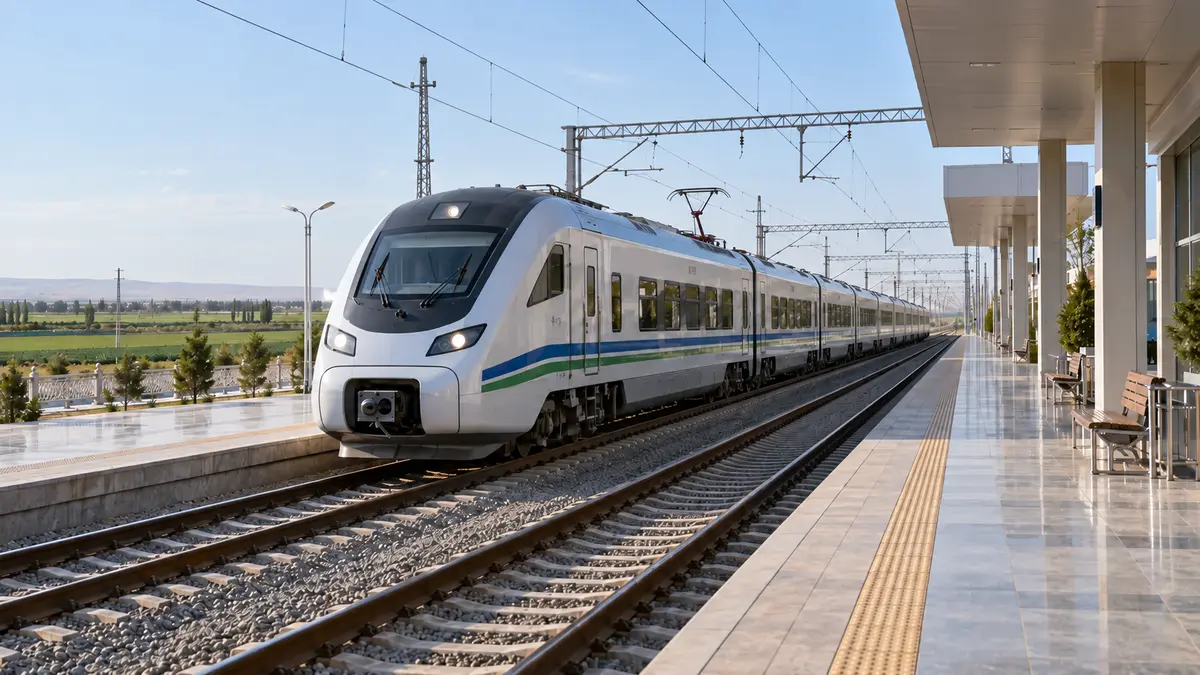 Uzbekistan’s Western Rail Corridor and the Journey to Khiva
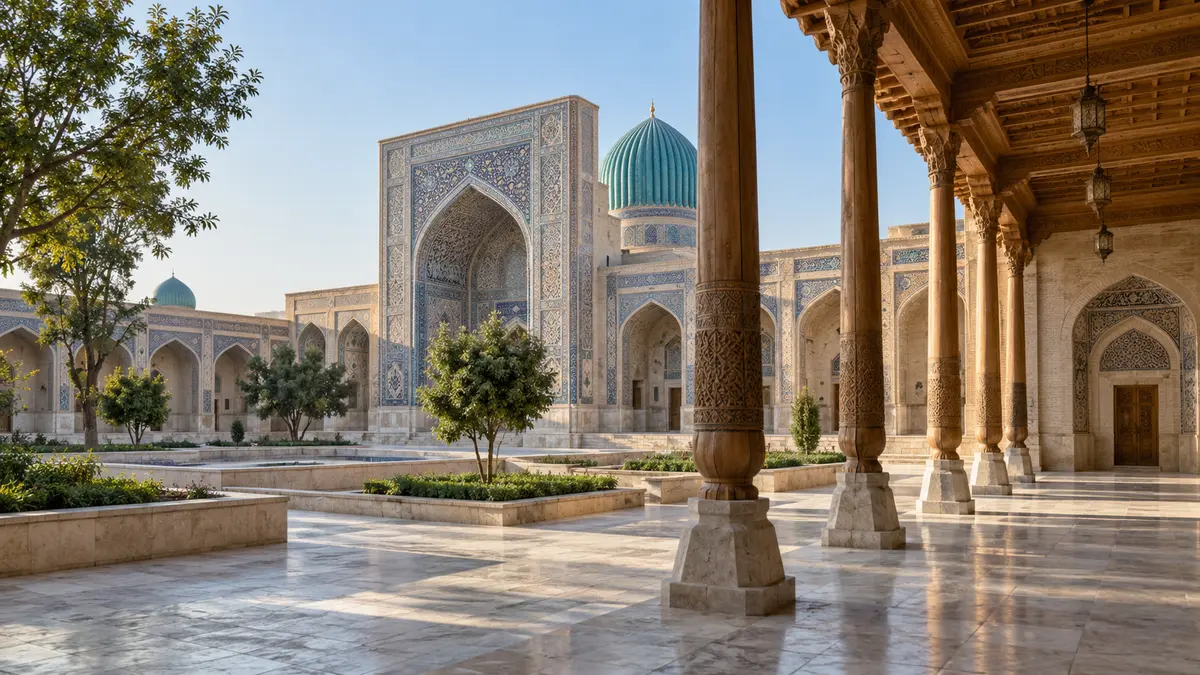 Imam al-Bukhari’s Heritage and Samarkand’s Pilgrimage Landscape
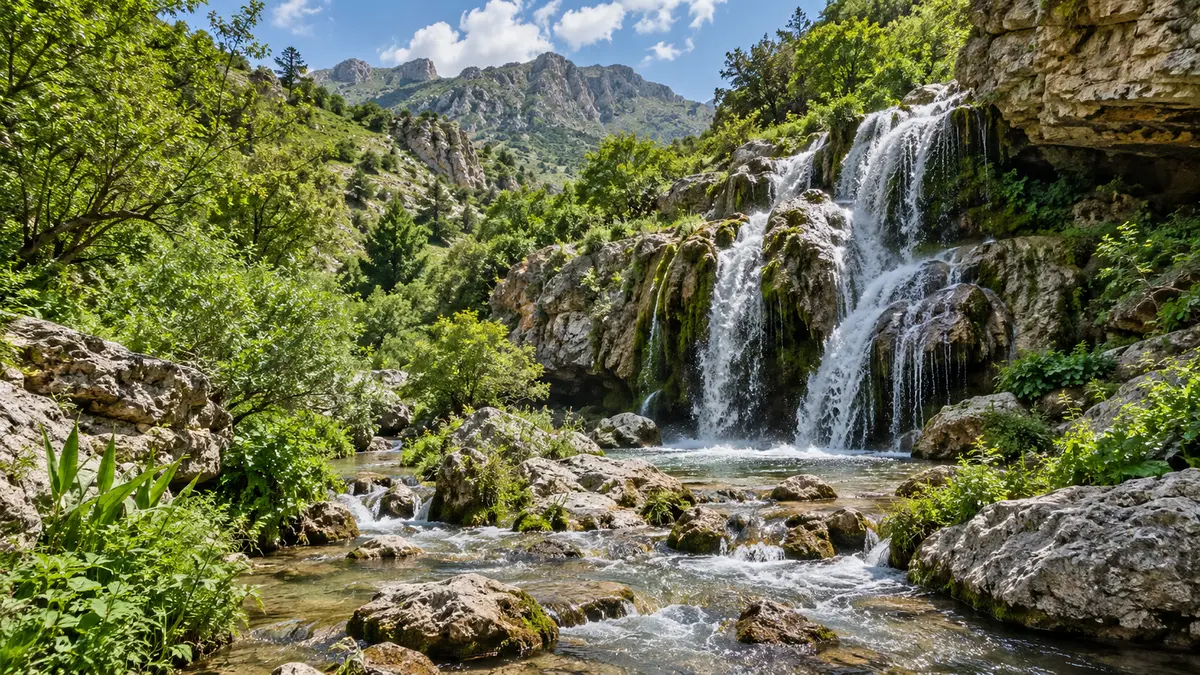 Nilu and Sangardak: Village Tourism in Surkhandarya
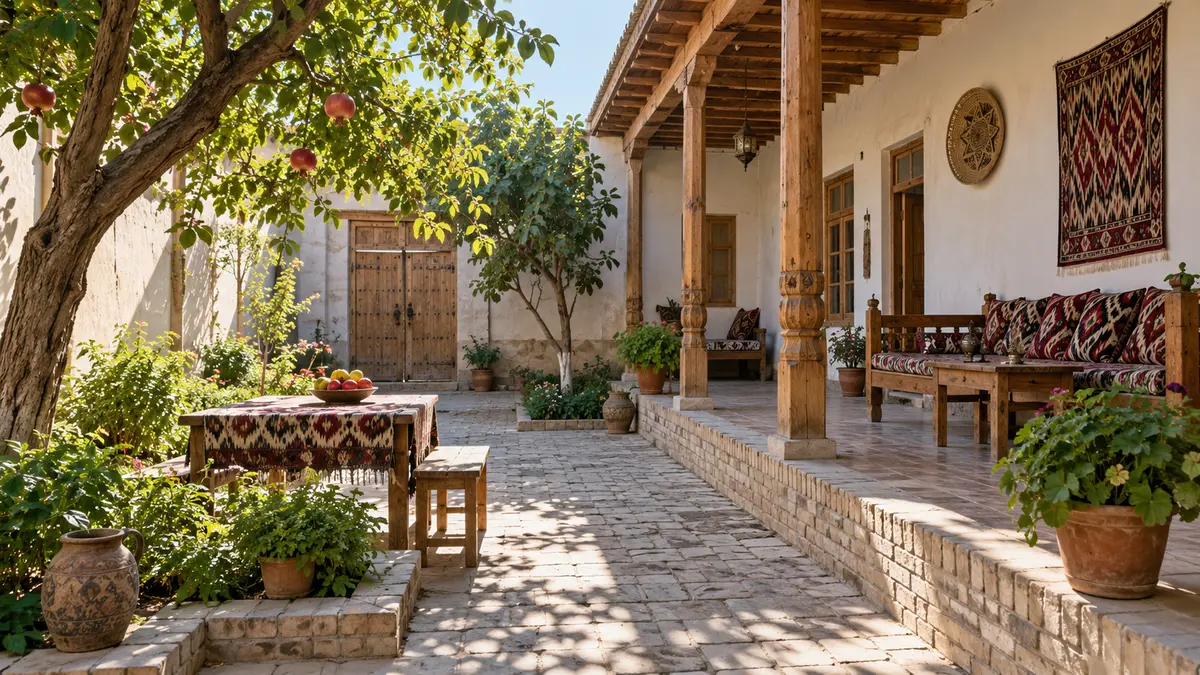 One Day in Kasri Orifon: Bukhara’s Pilgrimage Village
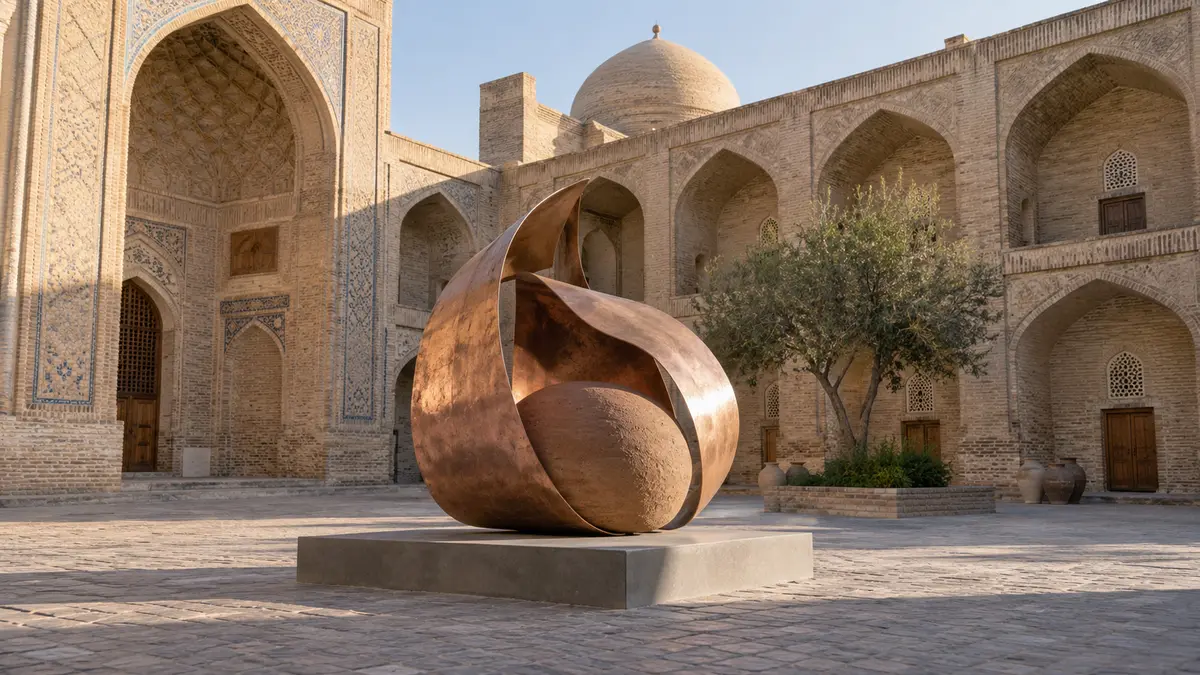 Bukhara’s Biennale: Contemporary Art in Historic Spaces
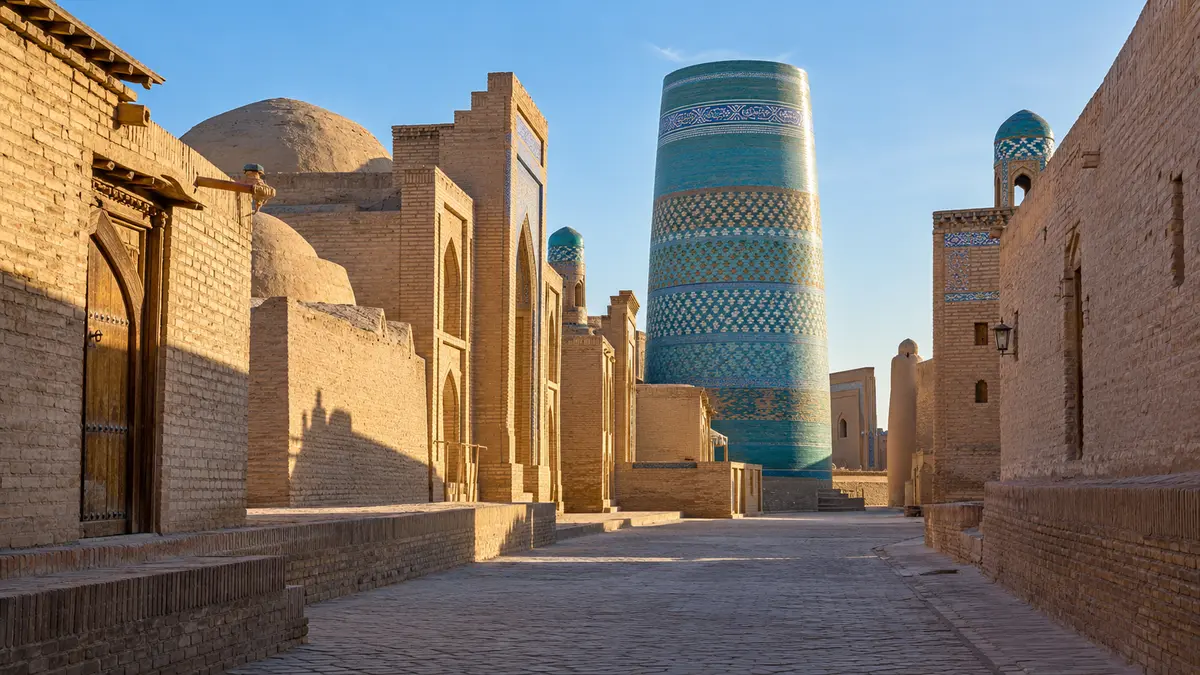 Khiva’s Walled City: Architecture, Palaces and Living Traditions
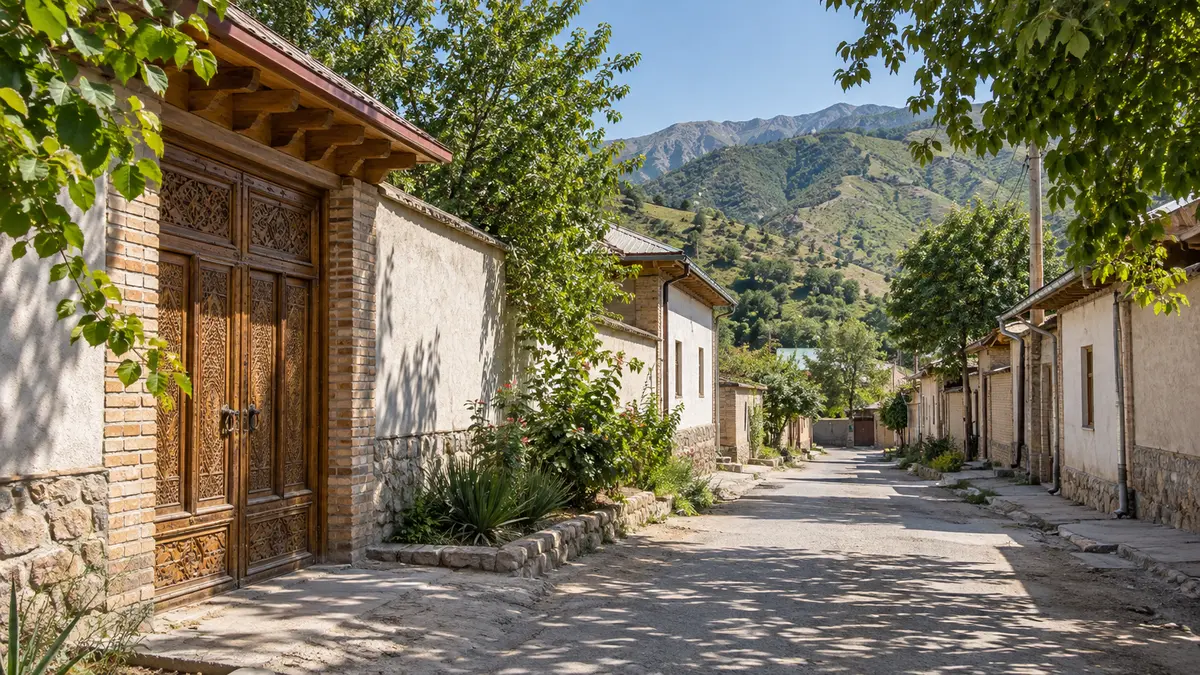 Parkent’s Chashma Village: Folk Traditions Near Tashkent
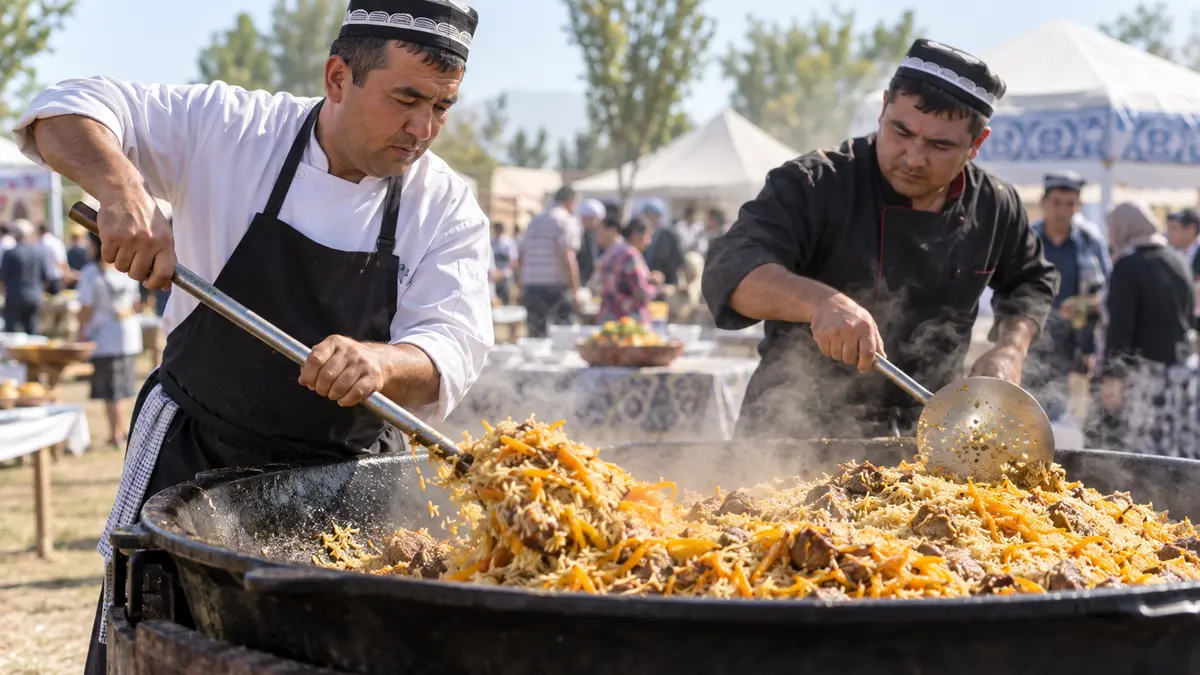 Uzbek Food and Cultural Traditions: From London’s Festival to Regional Tables
 Tashkent’s Museums, Mahallas and New Cultural Spaces
 Uzbekistan's Tourism Expansion: Heritage Cities, Living Crafts and Regional Routes
 Ancient Fortresses and Museums of Western Uzbekistan
 LH Marthinusen opens R32 million Germiston fan factory
 Rishtan’s Craft Neighbourhood and the Fergana Valley
Leave a comment