
EBRD Cuts Its 2026 Growth Forecast to 2.5% as Iraq Slides Into a Deep Recession
The European Bank for Reconstruction and Development (EBRD) has lowered its 2026 growth forecast for the economies of its regions by 0.6 percentage points, to 2.5%, citing a deep recession in Iraq and tighter financing conditions, according to the bank’s September 2026 update.
The downgrade interrupts a two-year acceleration. Growth across the EBRD regions picked up from 3.1% in 2024 to 3.4% in 2025, before slowing to an estimated 2.4% in the first half of 2026, Anadolu Agency reported on September 24, 2026.
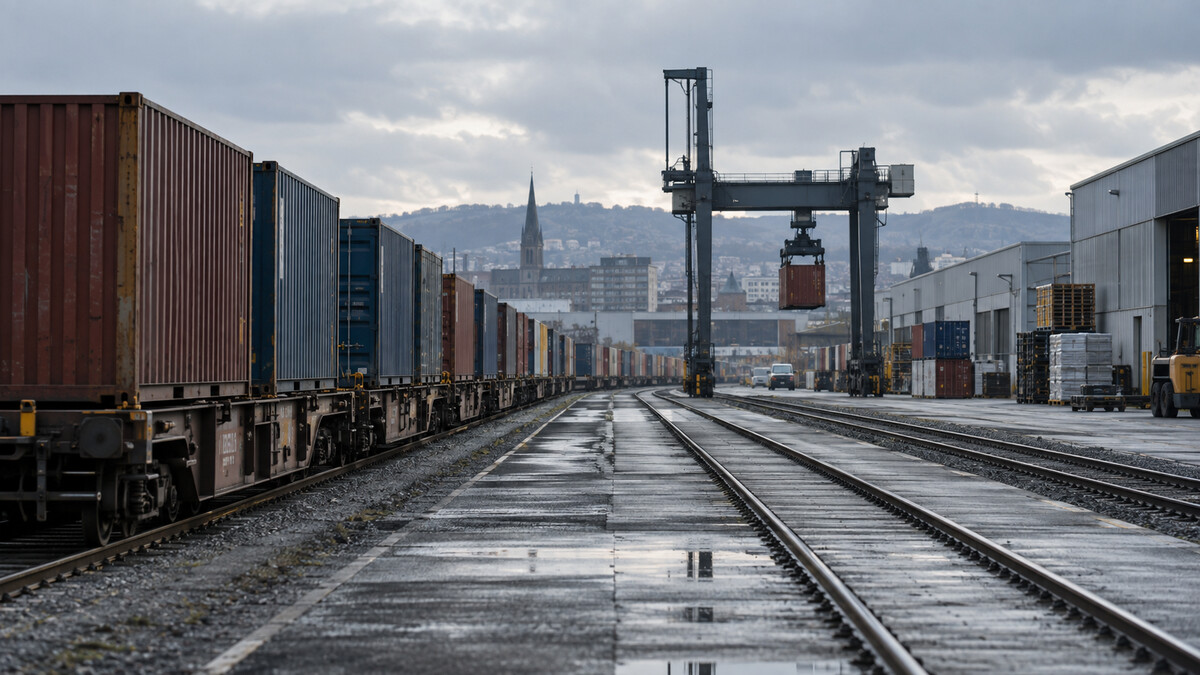
Iraq accounts for most of the downgrade
Strip out the Iraqi shock, and the picture is far less dramatic. “Excluding Iraq, this year’s forecast has been revised down by 0.1 percentage point, reflecting tighter financing conditions, the impact of drought in Europe and the Black Sea shipping blockade, while the outlook for 2027 is unchanged,” the bank said. Collapsed oil exports are behind the deep recession in Iraq, it added.
Key figures of the September update
- 2026 growth forecast: 2.5%, down by 0.6 percentage points;
- excluding Iraq: a revision of just 0.1 percentage point;
- growth in 2025: 3.4%, up from 3.1% in 2024;
- the first half of 2026: an estimated 2.4%;
- 2027: growth projected to rebound to 4%, outlook unchanged;
- average inflation: about 6% after peaking at 6.7% in April 2026.
The oil shock keeps inflation elevated
Average inflation across the regions has stabilised at roughly 6% after a peak of 6.7% in April 2026, with energy costs accounting for approximately a quarter of the headline rate. Oil prices climbed from around $65 a barrel before the conflict in the Middle East to more than $100 by April 2026, as seaborne crude exports from the region halved, the bank reminded. Prices remain 30% to 60% above their pre-conflict levels, it noted.

What the revision signals
The lender still projects growth to rebound to 4% in 2027 and left that outlook unchanged - in other words, the September downgrade is concentrated in the current year rather than in the medium-term trajectory. For the region’s economies, the combination of costlier crude, drought and disrupted Black Sea shipping is the main near-term drag on expansion, while for an oil exporter such as Iraq the collapse of shipments has turned a revenue source into a recession factor. With energy still driving about a quarter of headline inflation, the speed of the 2027 recovery will depend largely on how quickly oil prices and financing conditions normalise.
Latest Reports

Ancient Fortresses and Museums of Western Uzbekistan
Qatar LNG expansion: readiness, financing and the production test
Tianwan 7: first electricity and commissioning

Genentech breaks ground on its Hillsboro expansion

RZD changes return fees for tickets purchased from December

Why available capital does not close every defence supply gap
Partner reports
 Ageas agrees Esure acquisition to widen UK insurance distribution
 Uzbekistan’s Western Rail Corridor and the Journey to Khiva
 Imam al-Bukhari’s Heritage and Samarkand’s Pilgrimage Landscape
 Nilu and Sangardak: Village Tourism in Surkhandarya
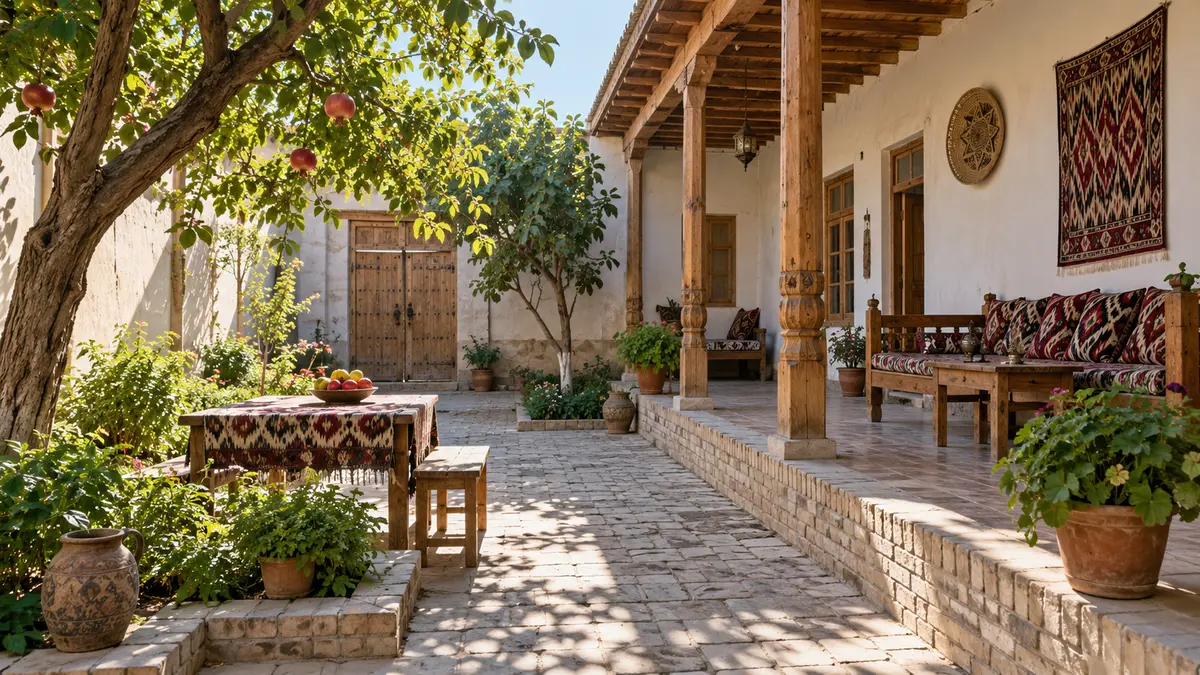 One Day in Kasri Orifon: Bukhara’s Pilgrimage Village
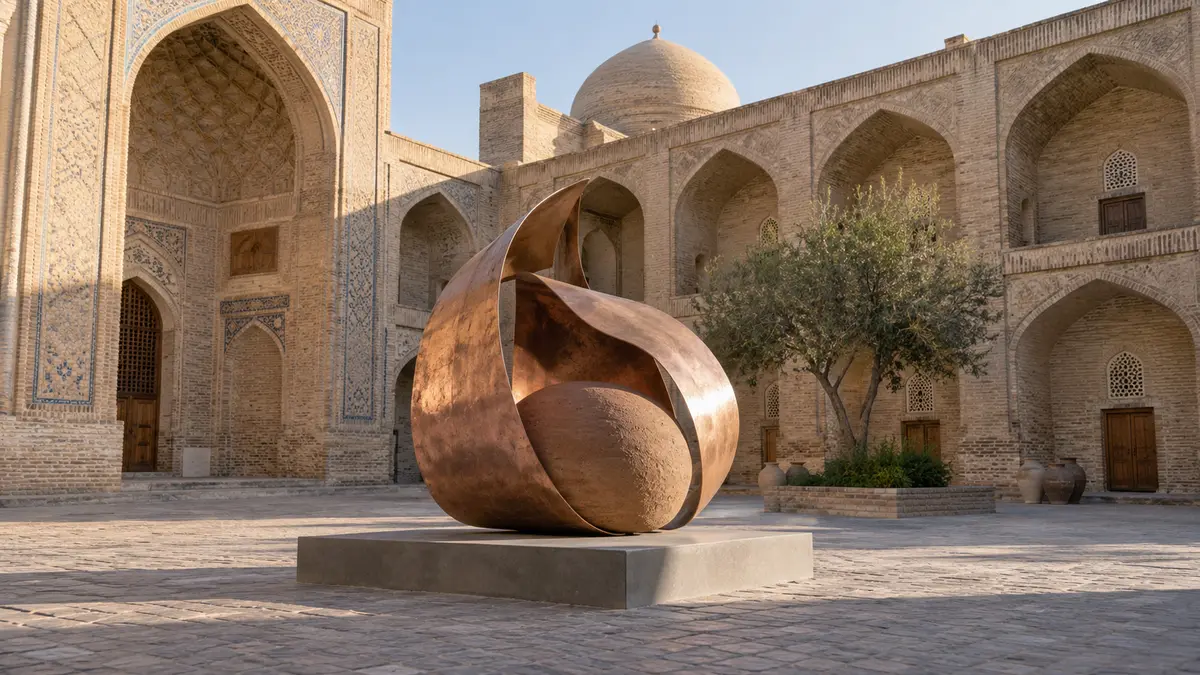 Bukhara’s Biennale: Contemporary Art in Historic Spaces
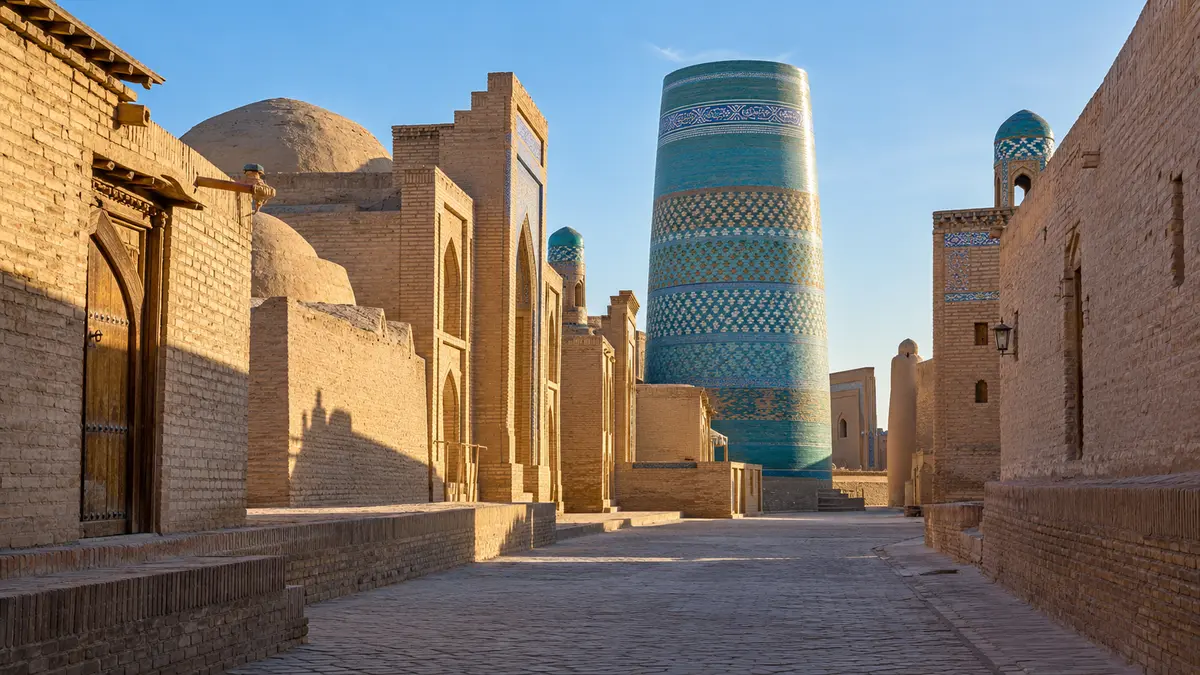 Khiva’s Walled City: Architecture, Palaces and Living Traditions
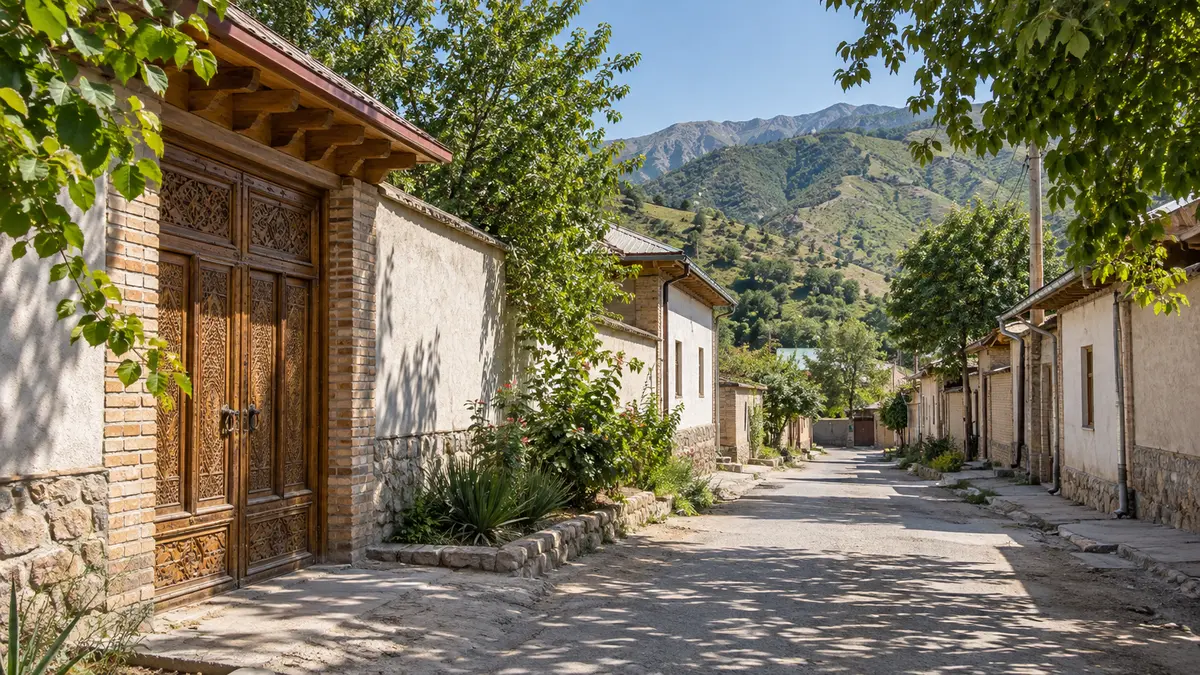 Parkent’s Chashma Village: Folk Traditions Near Tashkent
 Uzbek Food and Cultural Traditions: From London’s Festival to Regional Tables
 Tashkent’s Museums, Mahallas and New Cultural Spaces
 Uzbekistan's Tourism Expansion: Heritage Cities, Living Crafts and Regional Routes
 Ancient Fortresses and Museums of Western Uzbekistan
 LH Marthinusen opens R32 million Germiston fan factory
 Rishtan’s Craft Neighbourhood and the Fergana Valley
Leave a comment