
ADNOC Launches Industrial Resilience Programme Backed by Dh200 Billion in 2026–2028 Contracts to Put UAE-Made Products First
Abu Dhabi National Oil Company (ADNOC) has launched an Industrial Resilience Programme that requires its engineering, procurement and construction (EPC) contractors to give priority to locally made products across its project pipeline. The programme is backed by Dh200 billion ($55 billion) in contract awards set aside for 2026–2028 — the first major tranche of the company’s $150 billion five-year capital expenditure plan.
ABU DHABI, May 5, 2026 — Abu Dhabi National Oil Company (ADNOC) on Monday launched a programme requiring its engineering, procurement and construction (EPC) contractors to give priority to locally made products across its project pipeline, backed by Dh200 billion ($55 billion) in contract awards set aside for 2026 to 2028. The Industrial Resilience Programme was unveiled at the Make it in the Emirates forum, The National reported.
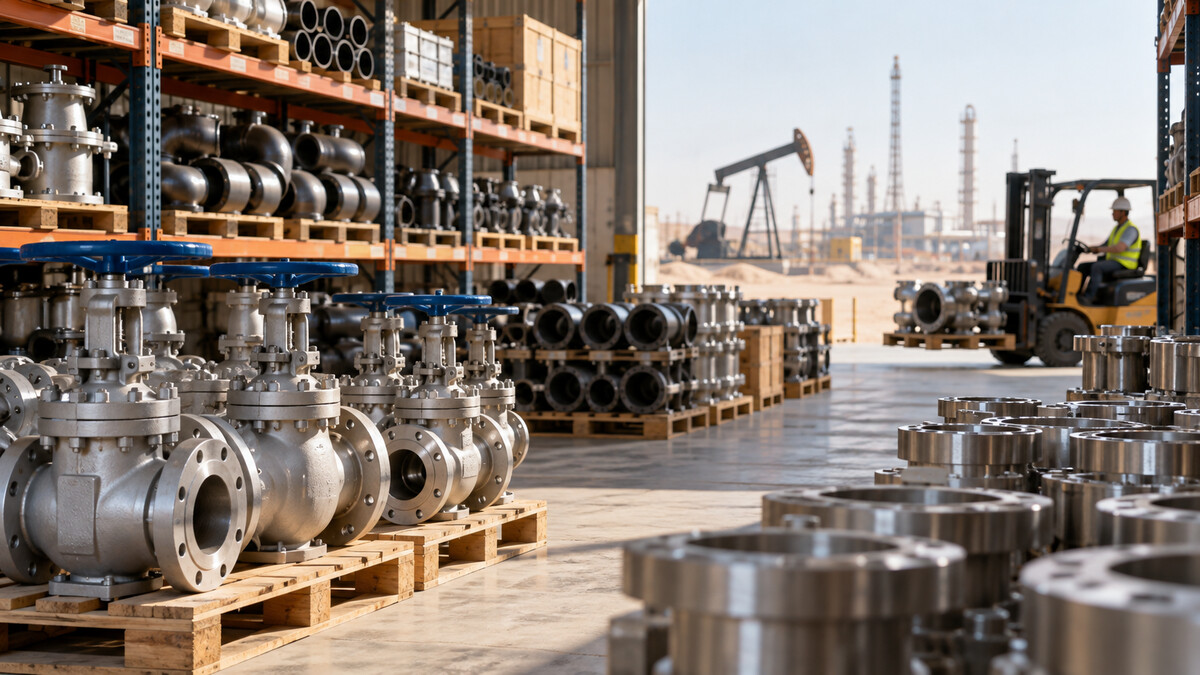
Dh200 billion in contracts for 2026–2028
The contracts span upstream and downstream operations and represent the first major tranche of the $150 billion, five-year capital expenditure plan approved by the company’s board of directors in November 2025. By tying this spending to domestic suppliers, ADNOC aims to increase local supply sources and reduce exposure to the kind of disruptions caused by Iranian missile strikes on UAE energy infrastructure.
Five initiatives at the core of the programme
The Industrial Resilience Programme introduces five initiatives designed to increase domestic supply sources. Those named in the announcement are:
- “Local+” — mandates EPC contractors to source from a list of more than 70 approved national manufacturers.
- “ICV+” — offers contractors additional in-country value (ICV) credit for buying locally manufactured products.
- “ADNOC Multiplier” — a tool that helps manufacturers maximise the share of locally produced content.
- “Build-to-Demand” — guaranteed agreements tied to specific volumes and prices.
Building on the in-country value record since 2018
The programme builds on ADNOC’s in-country value (ICV) initiative, launched in 2018. The key figures of that record and of the new programme:
- Dh80 billion in local manufacturing agreements generated since 2022.
- Dh4.5 billion in new factory investment attracted under the ICV drive.
- $24.5 billion worth of products ADNOC aims to have manufactured locally by 2030.
- Dh220 billion the company expects to channel into the UAE economy over the next five years.
Management commentary
“The importance of in-country value has been showcased through the recent events we’ve been going through. Our ability to continue operations was through all of the previous ICV efforts that have been conducted,” said Omar Al Nuaimi, ADNOC’s acting group chief commercial and ICV officer.
A defining execution phase with a focus on local value
Dr Sultan Al Jaber, Minister of Industry and Advanced Technology and ADNOC’s managing director and group chief executive, said at the company’s inaugural Make it with Adnoc Forum that the group was entering “a defining execution phase in its strategy, driven by scale, pace and a laser focus on delivery”, adding that he was seeking partners who could demonstrate “an unwavering focus on local value creation”.
Company and contacts
Abu Dhabi National Oil Company (ADNOC)
Contact: corporate communications of Abu Dhabi National Oil Company (ADNOC) — the Industrial Resilience Programme was announced by the company at the Make it in the Emirates forum and reported by The National; the source article published no corporate phone or e-mail contacts.
Website: https://www.adnoc.ae/
Latest Reports

Ancient Fortresses and Museums of Western Uzbekistan

Qatar LNG expansion: readiness, financing and the production test

Tianwan 7: first electricity and commissioning

Genentech breaks ground on its Hillsboro expansion

RZD changes return fees for tickets purchased from December

Why available capital does not close every defence supply gap
Partner reports
 Ageas agrees Esure acquisition to widen UK insurance distribution
 Uzbekistan’s Western Rail Corridor and the Journey to Khiva
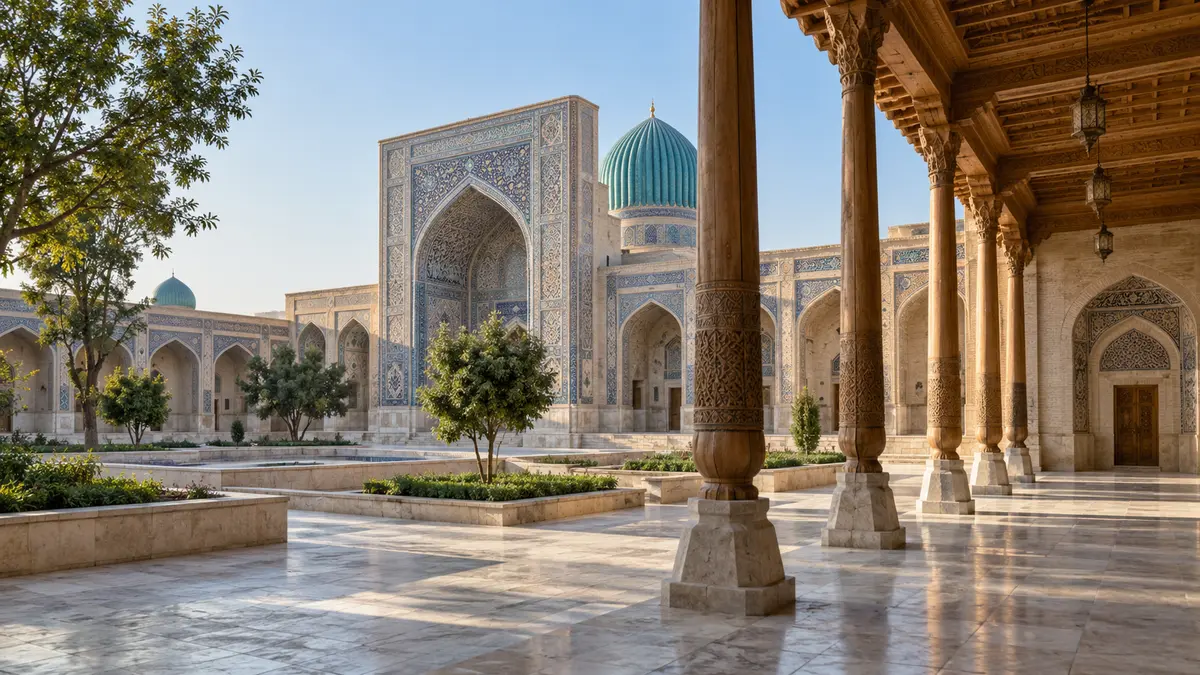 Imam al-Bukhari’s Heritage and Samarkand’s Pilgrimage Landscape
 Nilu and Sangardak: Village Tourism in Surkhandarya
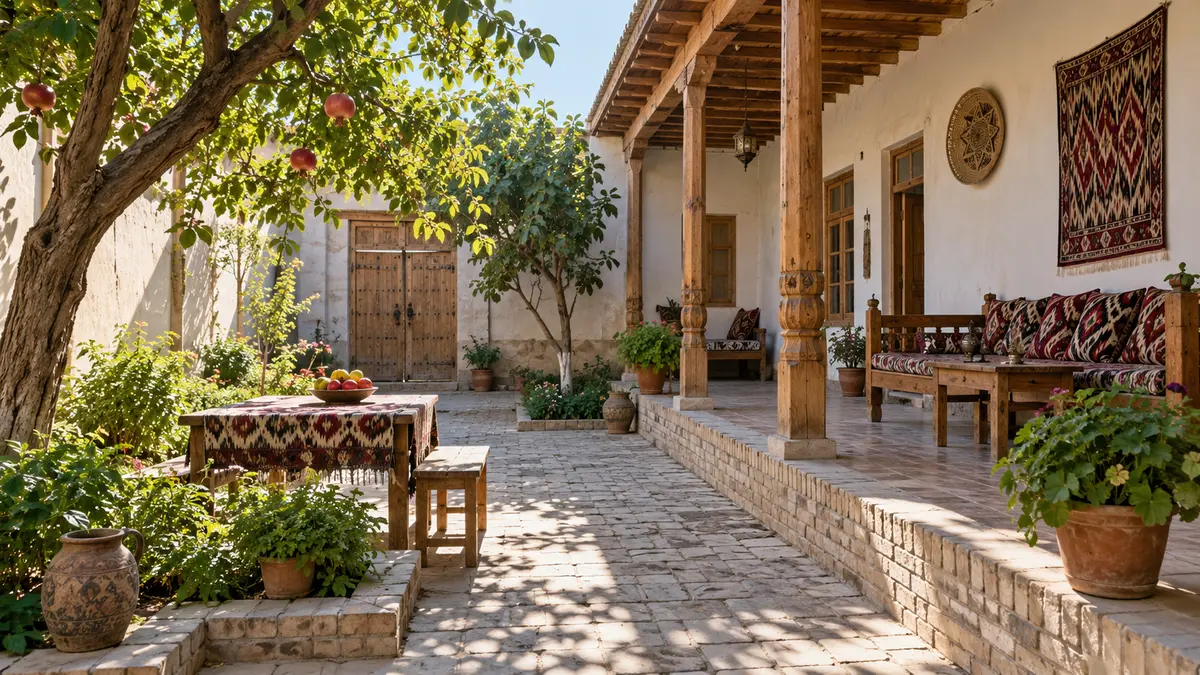 One Day in Kasri Orifon: Bukhara’s Pilgrimage Village
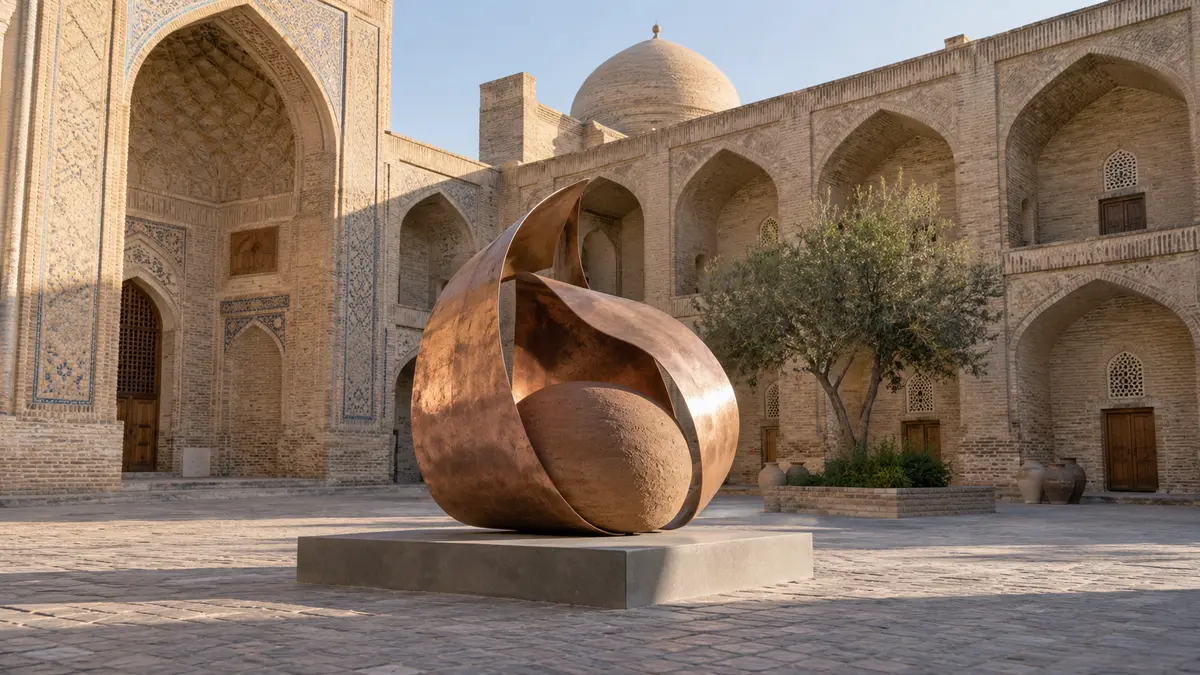 Bukhara’s Biennale: Contemporary Art in Historic Spaces
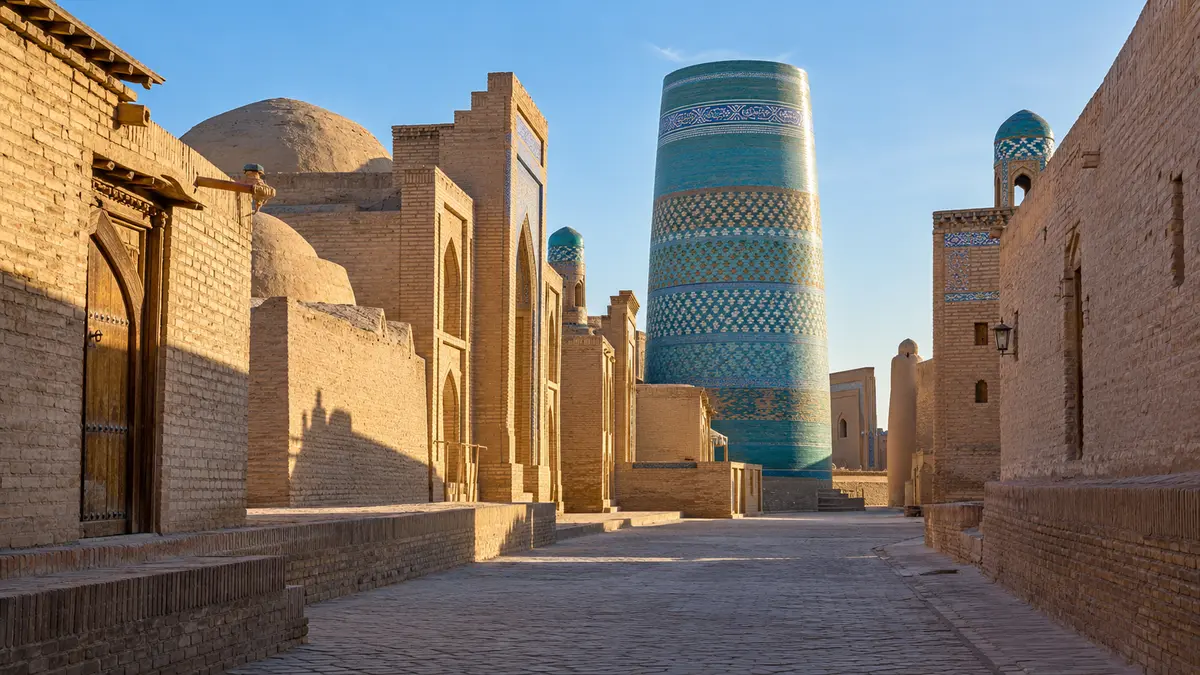 Khiva’s Walled City: Architecture, Palaces and Living Traditions
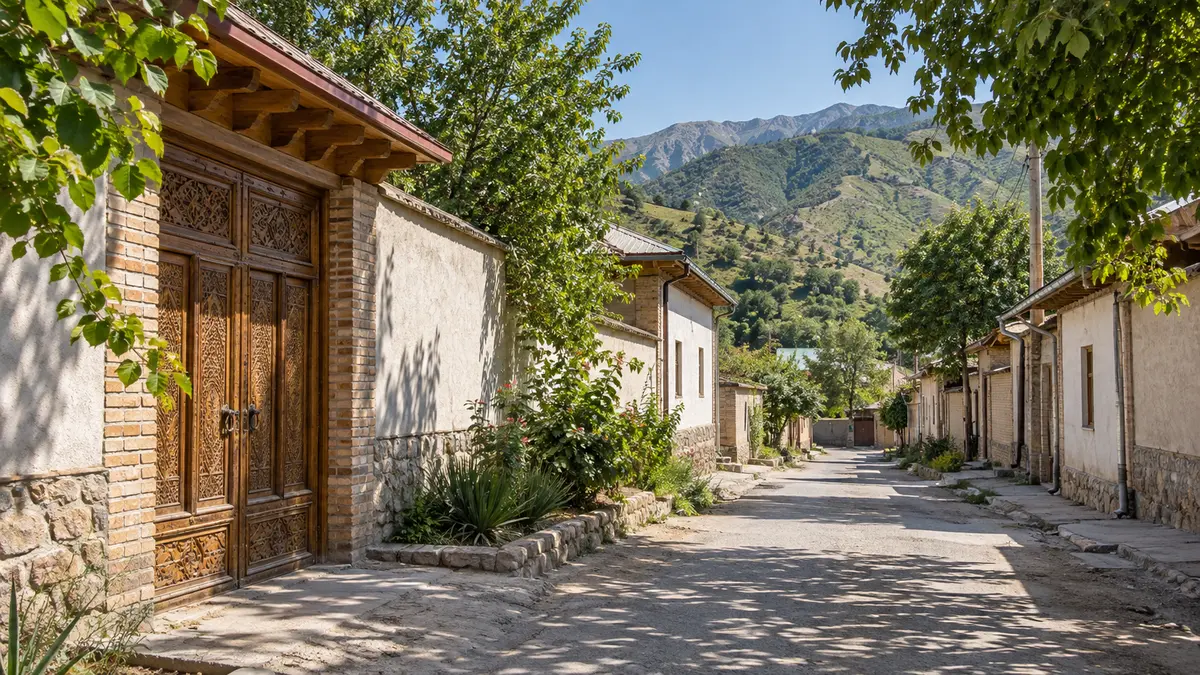 Parkent’s Chashma Village: Folk Traditions Near Tashkent
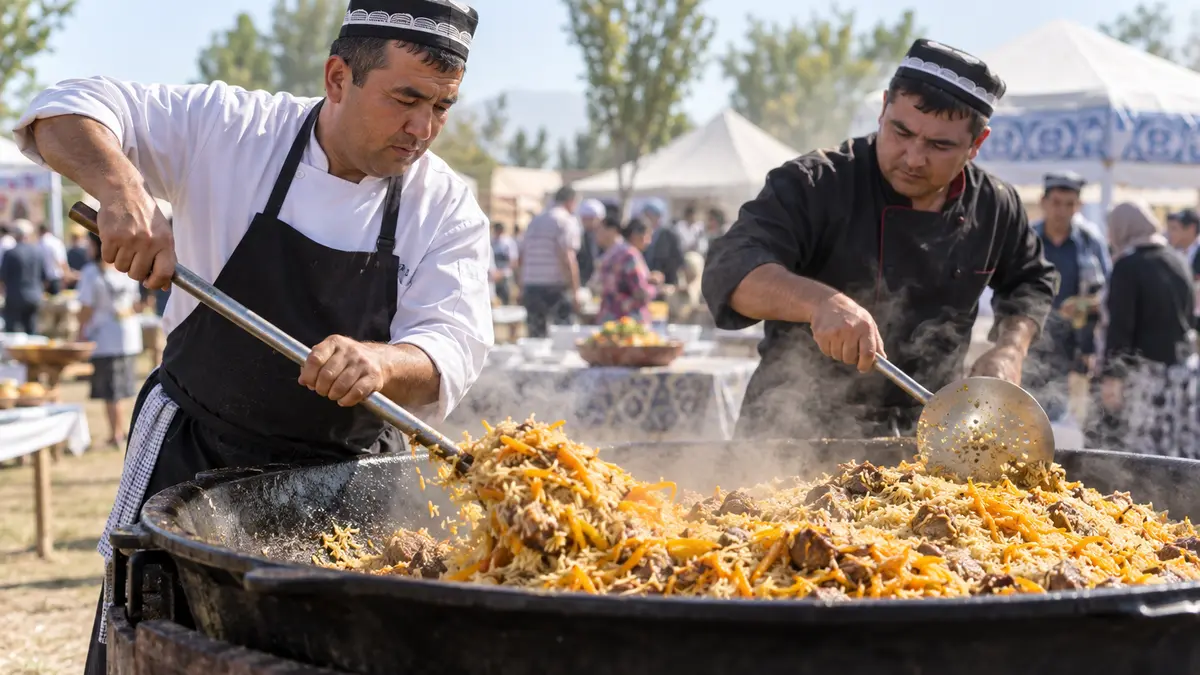 Uzbek Food and Cultural Traditions: From London’s Festival to Regional Tables
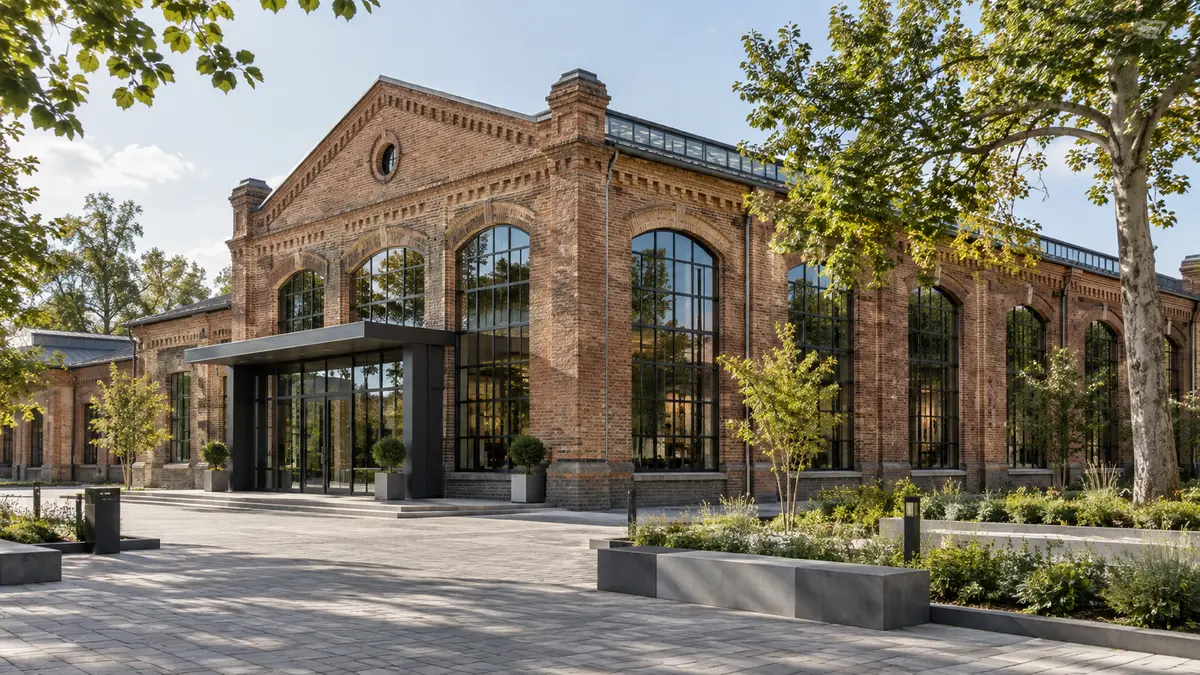 Tashkent’s Museums, Mahallas and New Cultural Spaces
 Uzbekistan's Tourism Expansion: Heritage Cities, Living Crafts and Regional Routes
 Ancient Fortresses and Museums of Western Uzbekistan
 LH Marthinusen opens R32 million Germiston fan factory
 Rishtan’s Craft Neighbourhood and the Fergana Valley
Leave a comment